What to Pack for Southeast Asia: Our Honest Backpacker Packing List

What to pack for Southeast Asia? After two extensive adventures backpacking in Southeast Asia, we learnt the hard way what you really need—and what you definitely don’t. Through this Southeast Asia packing list for backpackers, we will go through the essentials, the mistakes we have made and some typical questions, like rolling vs packing cubes….
What to pack for Southeast Asia? After two extensive adventures backpacking in Southeast Asia, we learnt the hard way what you really need—and what you definitely don’t.
Through this Southeast Asia packing list for backpackers, we will go through the essentials, the mistakes we have made and some typical questions, like rolling vs packing cubes. Trust us, overpacking is a pain. It hurts your back, slows you down, and makes repacking a daily hassle.
Let’s dive into how we make sure we have all we need, don’t stress too much, and travel as lightly as possible. Not just a simple list, but thoughts and tips on how to have the best load for the first trip to Southeast Asia.

This post includes affiliate links. We may earn a small commission at no cost to you. You can also buy us a coffee to support the site directly. Learn more in our Cookie Policy.

👋Toti & Ale here
London couple, 45+ countries, 300+ guides. We are full-time content creators, travelling as slowmads, spending quality time in places we love the most. We run this and several other blogs from the best places in the world. This guide is all about our first-hand experience backpacking for the last 4 years around Asia.
May 13, 2026 This update reflects the way we travel now, why we chose two different backpacks, and why we still prefer that setup over a suitcase.
Choosing the right backpack size for Southeast Asia
First things first—your backpack. On our first trip, I lugged around a hefty 50-litre backpack plus another small side bag. I know it seems a lot, but it was our first time on a long trip (9+ Months), and the banana pancake trail seems intimidating.
A backpack size for Southeast Asia, around 30-40 litres, is ideal. It forces you to pack smartly and prevents unnecessary items from sneaking in. Choose a backpack with solid back support and breathable fabric.
Your shoulders will thank you later! I’ve also found that I love the side zipped pockets and the ones on the belt of the bag. It gives you extra space or makes it quick to grab items.
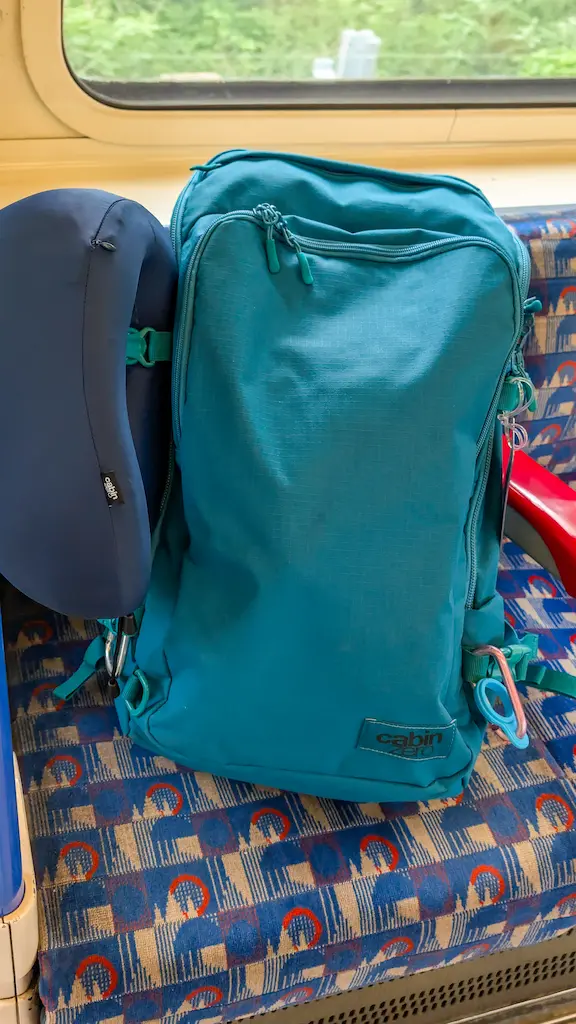
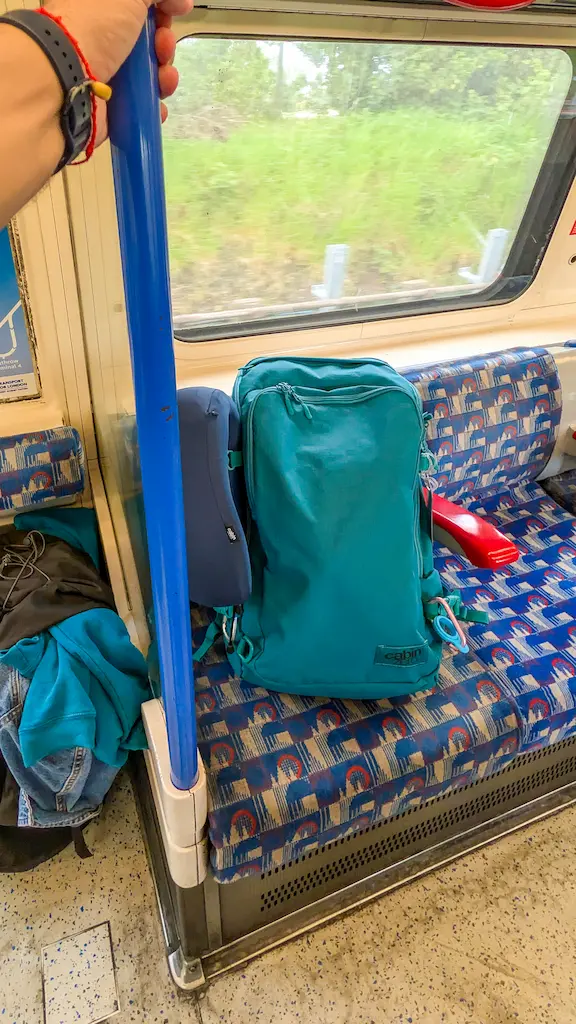
For our more recent Southeast Asia trips, we upgraded to a CabinZero backpack, and honestly, it suited our style much better. It’s light, simple, and cabin-sized, which is exactly what we want when we are jumping between countries and trying to avoid checked luggage. It also fits the “pack less, move easier” approach we now swear by.
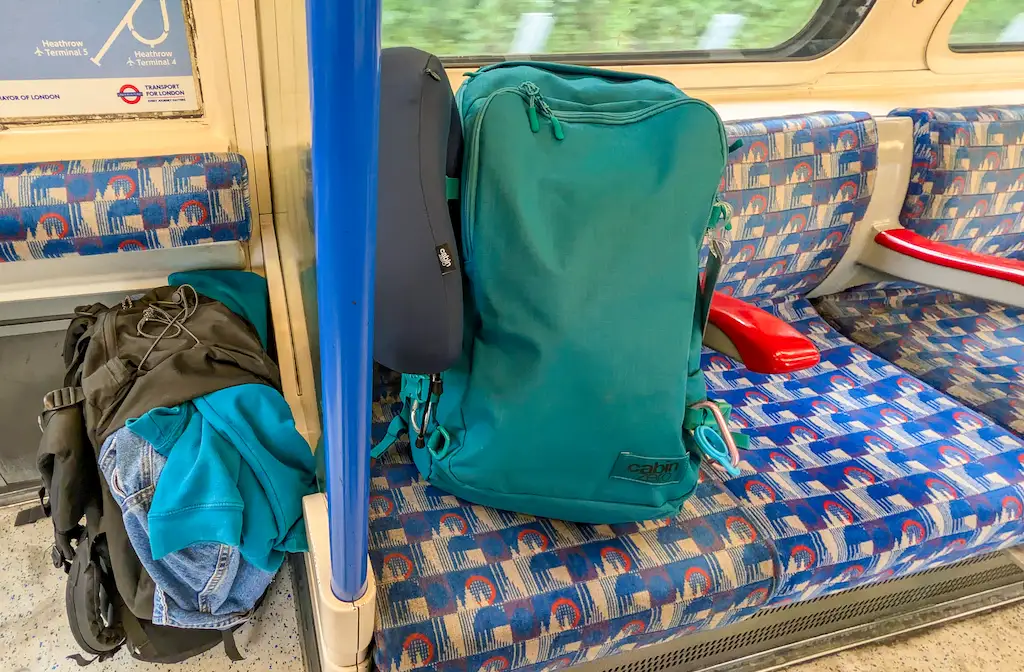
Our backpacks for Southeast Asia
Going back and talking about our experience in Southeast Asia with backpacks, we started with the concept that it is better to have it than regret and miss.
You’ll learn, like I did, that I was very wrong. A 50+ Liters and the small backpack was way too much overpacking, and I was struggling more than once. You’ll also follow in my footsteps, especially changing transport or a long walk in the heat and humidity levels of SEA.
Still, on the first trip, Ale chose smarter with a 40-litre main pack and a compact 15-litre daily bag. Guess who had an easier time? Definitely Ale. For our second trip, I downsized, too.
These are our suggested Backpacks for SEA trips for first timers:
- CabinZero ADV Pro 42L
- CabinZero ADV Pro 32L
- Mountain Warehouse 40L

Essential Items to bring for a Southeast Asia itinerary
Packing light doesn’t mean leaving behind essentials. However, the first trip we packed was unnecessary, and on the second trip, we instead went for “If I can buy it there, I’ll leave it at home”.
Here are some must-have items that genuinely improved our travel experience:
- Small Daily Bag, rucksack or tote bag: This is ideal for carrying your camera, a scarf to enter the temples, sun cream or general items. We have a basic £9.99 Quechua from Decathlon, cheap and personalised with flags all over. Soon, we might buy this to support your back better.
- Bum Bag: I’ve never been a bum bag guy, but they are so handy, perfect while travelling and keep your documents secure and store money. I place a little hook on the zip, so it is safe even in crowded places.
- Basin Cap or Laundry Bag: Doing laundry on the go saves money and space—trust us, it’s easier than it sounds.
- Eye Mask and Earplugs: Night buses and hostels can be noisy and bright; these small items make sleeping easier.
- Universal Power Plug Adapter: Southeast Asian countries have varied power sockets; an adapter is essential.
- Tags: We have personalised tags with our information on each backpack. Also, we upgraded to smart tags, with Geo-location updated on our mobile. It is very important, and demonstrates the necessity when we lose our luggage in China during our cancelled flight.
- Lightweight Towel: If you are planning a backpacking trip, you’ll be on a budget and spend plenty of nights in hostels. Sometimes towels aren’t included, or you want your own; Decathlon has some lightweight towels for cheap, quick dry and soft.
☕ Buy us a coffee!
Our travel guides are free and made with love to help you explore more, spend less, and travel better. Passport and Stamps project is all run at our expenses, and reader founded. If you’ve found our tips and guides useful, we’ll appreciate if you can buy us a coffee.
This will keep the adventures going and support more content like this. Cheers!! ☕🌍
Medicine to Pack
Medicine is essential in our backpacks. A small separate container with the what if. What we brought with us, was basic but necessary, and helpful in some occasions:
- Ibuprofen or Paracetamol (You can find it at 7-Eleven)
- Cold & Flu Tablets
- Imodium (Bali Belly is real, and it helped us more than once)
- Allergy medication: If you have any specific allergy, bring it, it’s hard to find the same in every country.
- Antihistamine and Ammonia Stick (Especially when visiting the Philippines)
- Motion Sickness Tablet (You can buy cheap and effective at 7-Eleven)
Southeast Asia Travel Insurance
While we are talking, packing is good to remind you that investing in travel insurance doesn’t mean waste of money. For just £1 per day, we were worry free and covered with Safety Wing and HeyMondo for the whole trip.
Apart from medical expenses, which might ruin your trip, we had several flight cancellations, which didn’t impact our overall itinerary. The reason behind that is we took it lightly, because insurance was covering everything. Check our comparison SafetyWing vs HeyMondo and see which is better for you.

Travel Cards and money
Among the preparations, we organised our finances too. The standard rule is not to rely only on one card. The second rule is to have your emergency card stored away from your main wallet, in a safer location in your backpack.
We also, currently and ever, travel with some cash in different currencies in our wallet (£,$,€). These small amounts are necessary in case your card fails. We don’t carry much cash, because it isn’t always convenient to exchange it, and prefer to withdraw.
However, sometimes you might find it good to exchange money with other travellers, as we did before our trip to China. Our favourite travel cards (coming from the UK) are: Chase, Revolut and Monzo. For credit cards, we mainly used our Barclaycard Rewards, which doesn’t charge fees abroad!
Extra stuff, you might not think of!
There is a completely separate category of items you might not think is necessary. Spoiler alert, this adds weight, and often hangs around, pushing through the gaps.
In this category, we include:
- Tote Bag
- Lock for hostels
- Sunglasses
- Carabiners (we have at least 3 each)
- Reusable Water Bottle
- Eye Mask
- Ear Plugs
- Backpack Rain Cover (you’ll need it!)
- Notepad

Shoes for Southeast Asia: What Really Works?
Footwear matters more than you think! We walked everywhere (10,000 steps was a lazy day), exploring new cities and hidden beaches on foot. On both trips, we travelled with two pairs each—one sturdy pair of trainers and one pair of sandals or flip-flops.
Here’s the truth about shoes for Southeast Asia:
- Flip Flops or Sandals (Birkenstock style): You’ll wear these most days. They’re breathable, easy to slip off at temples, and perfect for beaches or casual strolls. Flip-flops dry faster than sandals; that’s why we use the first for showers (hostels and shared bathrooms) and the second for walking.
- Trainers or Lightweight Hiking Shoes: Essential if you plan hikes or long city walks. But honestly, you’ll wear sandals more often than not.
Fun fact: I still own my Bali-bought flip flops from our first trip—they cost just £1! Don’t overspend before departure; buy sandals cheaply once you’re there.
I bought a very expensive pair of sandals, which didn’t last long, while the cheap ones I bought in Turkey a few years back are like new, even though I wore them every day.
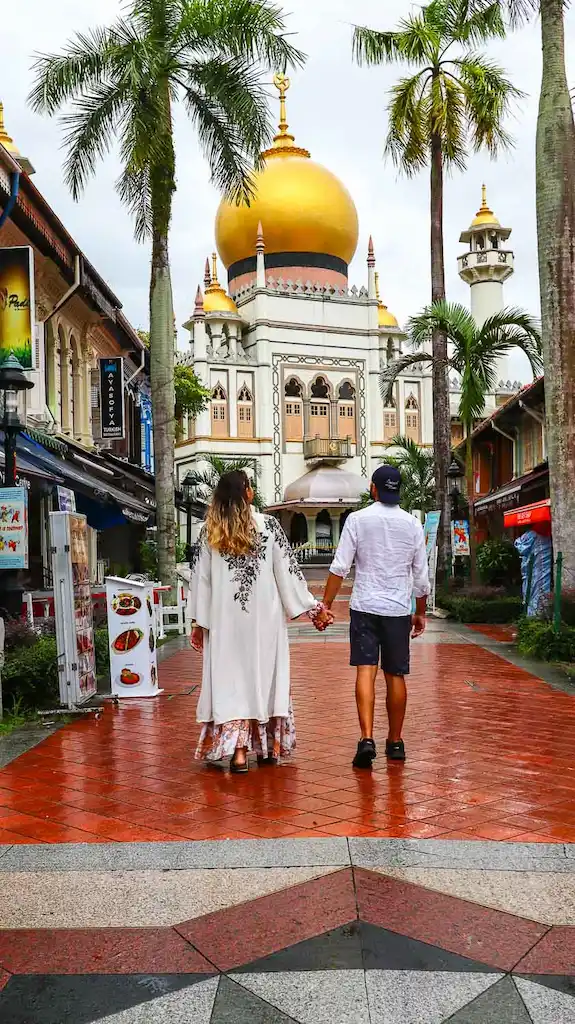
What to wear in Southeast Asia: Clothing tips
Clothing is where most people overpack—us included on our first trip. We flew from London during winter, so we had a few voluminous items we wore before departure. Big mistake!
Those heavy sweaters sat untouched at the bottom of our backpacks throughout the entire journey. On the second trip, learning from mistakes, still leaving Europe in winter, we wore every piece of clothing to keep us warm, departing from Rome.
In this way, we easily avoided 3 Kg. Our back is still thanking us for this smart move.
The key to clothing in Southeast Asia is simplicity:
- Lightweight T-shirts and Tank Tops: Pack fewer than you think you’ll need; laundry is cheap and available everywhere, just £4 for wash and dry DIY, or £6 all handled for you.
- Quick-Dry Shorts and Pants: Quick-drying materials save time after rainy days or sweaty hikes.
- One Lightweight Rain Jacket: Essential during rainy seasons, but keep it compact. These are often very small to roll in your backpack.
- Swimsuit: If you are spending time on the beach, one or two pieces of swimsuit are necessary.
- One Warm Layer Only: A single hoodie or fleece is enough for chilly buses or mountain areas. In Sapa, we had our sweaters and neoprene jackets to protect us from the wind.
If you’re travelling from colder climates, as we did, leave heavy winter gear at home. Layers are your friends—thin clothes that combine easily are better than bulky items you’ll rarely use.

How many clothes to pack for a Southeast Asia trip?
To be fair, the amount of clothes you take varies very little in relation to the trip length. We actually went through our latest 9 months in Southeast Asia, exactly as it was for our 2 weeks backpacking itinerary in Croatia.
Bags are the same; clothes are a little different because of the climate.
I have to admit that for men it is easier to slush some stuff in a backpack, vary with colours, a couple of shirts for nights out, and that’s it. The bag is done!
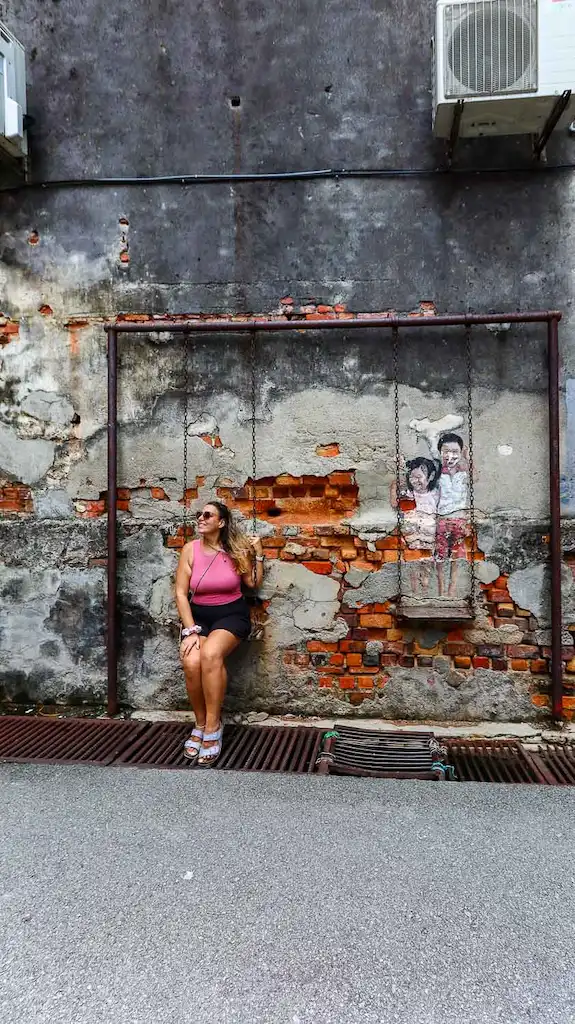
Southeast Asia backpack for girl
Complicated things come with Ale backpack, which must take into consideration the variations of colours, coordinate stuff, and include some covers for temples. She picked this CabinZero backpack!
So for girls reading, this is all she bought for a Southeast Asia trip, and it perfectly fitted in a 40-litre backpack.
- 1 pair of sandals
- 1 pair of flip flops
- 1 sweater
- 6 crop top shirts
- 3 shorts
- 2 long, lightweight pants
- 1 leggings
- 2 shirts
- 2 dresses
- 1 Scarf/sarong style for temples
- 1 PJ and Robe
Airport, bus and train clothes
We took every kind of possible transportation while exploring Asia for over 2 years and a half. The result is us developing a proper outfit for travelling around.
It’s common knowledge that buses in Southeast Asia are very cold, especially when travelling during the night. So we always face it carrying heavy jumpers, an extra layer and long trousers (Ale got her leggings).
Most of this stuff is what makes the real weight on your backpack, so wearing it reduces it significantly but keeps you warm. While building up your backpack for the trip take into consideration this.
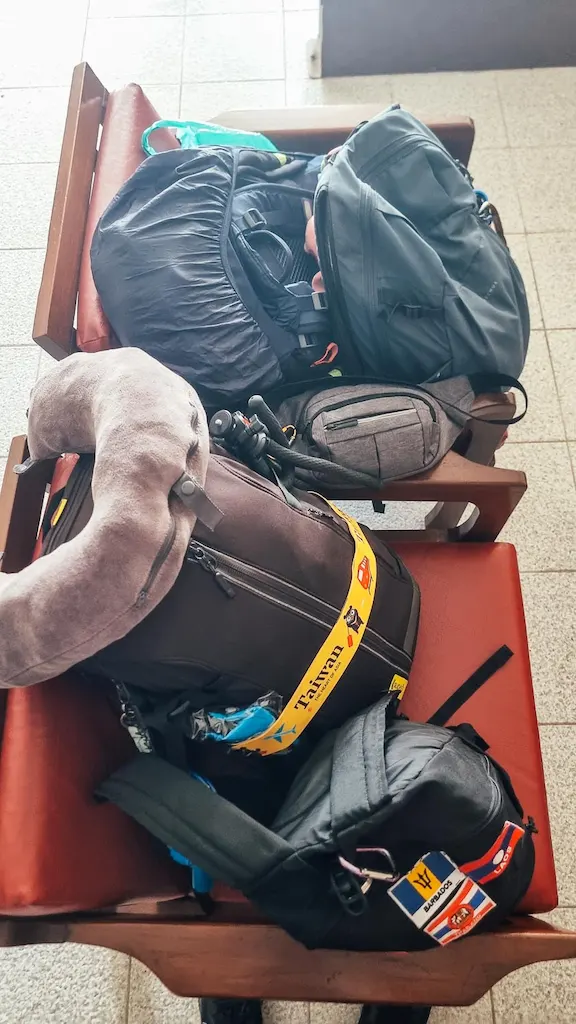
What NOT to pack for Southeast Asia
After two long backpacking adventures, here’s what we’ve learned to leave behind:
- Excessive Toiletries: Shampoo, soap, toothpaste—you’ll find all these cheaper locally. One small item seems nothing, but it is the total weight that adds up.
- Too Many Gadgets: Unless you’re working remotely (like us), limit electronics to essentials only. Observe your everyday to understand which items you use the most; if sitting with dust on top, leave it at home.
- Drone yes or not: Bring it; otherwise, you will sit on regrets! We upgraded our drone on the second trip, and it was the best highlight of the Philippines itinerary.
- Heavy Books or Guides: You better have all your guides and maps on your mobile. These weigh nothing and are easily accessible. That’s why we have created our Digital Guides, check our store for the best tips about Thailand, Vietnam and more.
- Valuables or Expensive Jewellery: Avoid flashy jewellery; you might lose it or attract attention. Better safe than sorry.
- Too Many Clothes: Seriously—you’ll regret lugging around extra outfits you never wear. Think about that if you need to, buying clothes on the spot is the best souvenir.
We always ask ourselves one question when packing something questionable: “Can we buy this there?” Usually, the answer is yes—so we don’t take it with us, and buy once in the location or we need it.
We learned from our mistake: A word to warn/help you
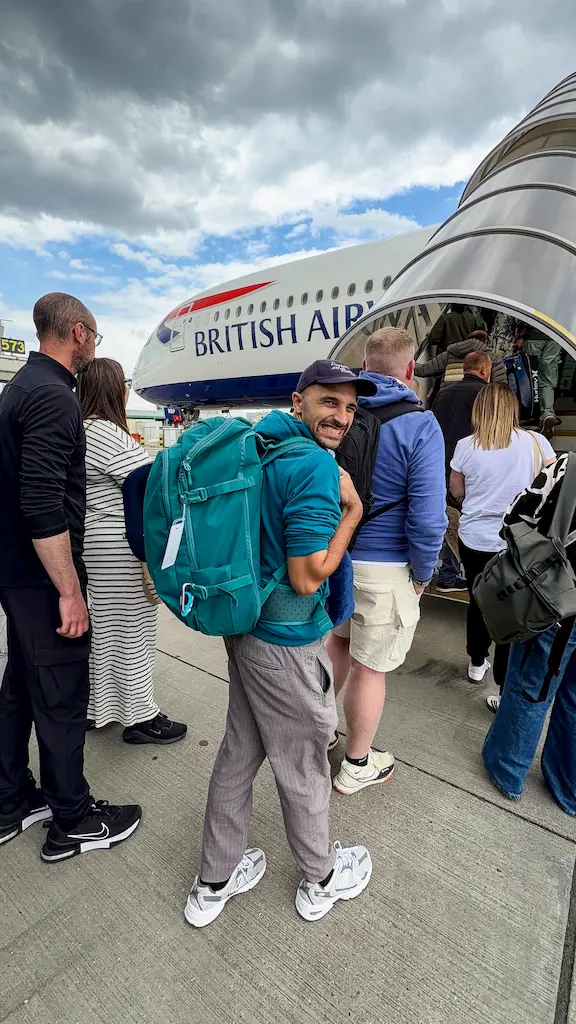
On our first trip, we definitely overpacked. My 50-litre backpack was heavy enough without adding unnecessary winter clothes from London. They stayed unused at the bottom of my pack—dead weight that made repacking exhausting every day.
On the second trip, we travelled smarter with Ale’s proven method—her trusty 40-litre backpack plus a small daily bag. We bought essentials as needed along the way. This approach kept us flexible and lightweight throughout multiple countries, including China and the Philippines.
Also, we saved so much money, having to purchase only one checked luggage when taking flights. This is a travel hack. Asian companies allow you to purchase a single piece of luggage, and instead check in 2 up to 20 Kg.
Still talking about reducing the backpack weight for your trip to Southeast Asia, we got a not funny story. One memorable mishap happened in Vietnam—we got kicked off a night bus (long story!) and accidentally left behind an important camera accessory. But guess what? Even camera gear was replaceable locally—lesson learned!

Save time & money with our Thailand travel guide!
A guide about Thailand, 75+ pages with all our recommendations, best places to visit, where to eat, and things to do.
GET 50% OFF NOW!
How to reduce the weight of your backpack for a Southeast Asia Trip?
Packing smartly isn’t just about comfort—it’s about freedom. Travelling light means fewer worries about lost luggage, less physical strain during transfers between buses, trains, and planes—and more energy and freedom to explore the destination.
Remember these simple rules:
- Choose the right backpack size (around 40 litres).
- Pack only essential clothing items suitable for hot climates. Breathable and lightweight, they are easy to wash and dry, too.
- Limit shoes to a maximum of two practical pairs. Extra flip flops for beach days.
- Buy toiletries and small essentials locally whenever possible.
What strategies did we use to avoid overpacking on our second trip?
After our first backpacking adventure in Southeast Asia, we learned the hard way about overpacking. Carrying around unnecessary clothes, heavy gadgets, and items we never even touched was exhausting.
So, for our second trip, we changed our approach completely. Here’s exactly how we managed to travel lighter and smarter:
Choosing a Smaller Backpack
Start from the beginning by downsizing your backpack so you’ll have a clear picture of what fits inside. On our first trip, I carried a bulky 70-litre weight for over 9 months around 6 countries.
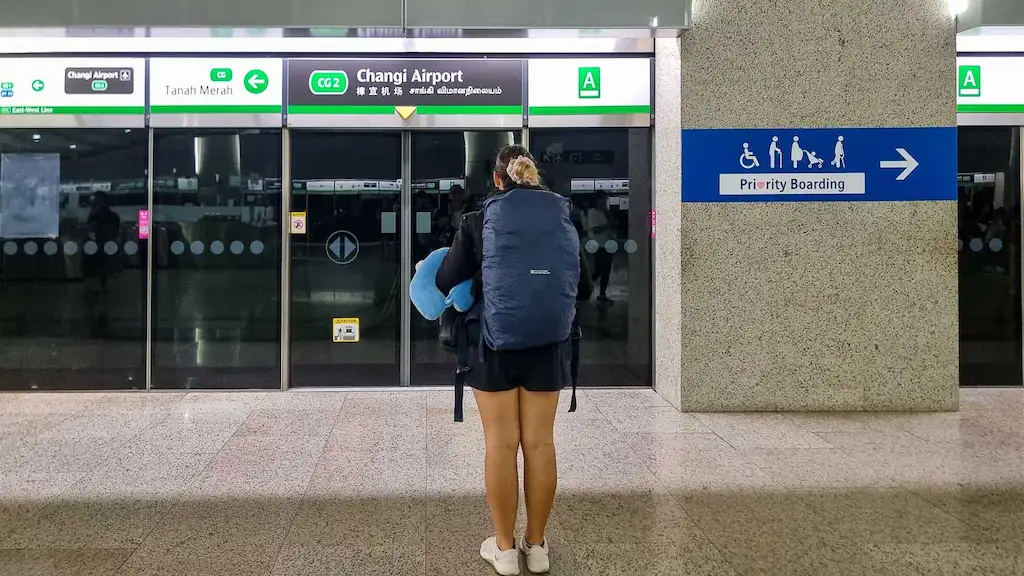
It was way too much space that tempted me to fill it up. Ale, on the other hand, travelled smarter with a compact 40-litre backpack (picture above)and a small 15-litre daily bag.
For our second journey, I followed her example and downsized my pack, too. We suggest getting a backpack between 30-40 litres maximum.
A smaller backpack size for Southeast Asia automatically limits unnecessary items and forces you to prioritise essentials.
The Grocery validation test
If it does sound ridiculous to you, it isn’t. One year before our trip to Thailand, I bought a bulky 70Lt+20Lt, zip attached, backpack from a sale at Mountain Warehouse.
We used it for weekly groceries and carried it all the way back home (about 20 minutes). I soon recognised that it was too much. So, a few months before the trip commenced, I sold it and bought a new, smaller one.
Have a visual of all items
Another helpful trick we adopted was laying out everything we planned to pack before putting it in the bag. Seeing everything visually helped us realise what was unnecessary. We then removed about half of the initial pile—trust me, it works wonders.
Rolling vs packing cubes
I am a rolling guy and do not trust the power of packing cubes. But this is a personal opinion.
There is no exact science beyond what saves you the most space, but both work perfectly, and it’s mostly to your exigencies. The rolling method works out very well for me, but I have to admit that often my clothes aren’t perfect, so you’ll need to find an iron.
Backpack Vs Suitcase
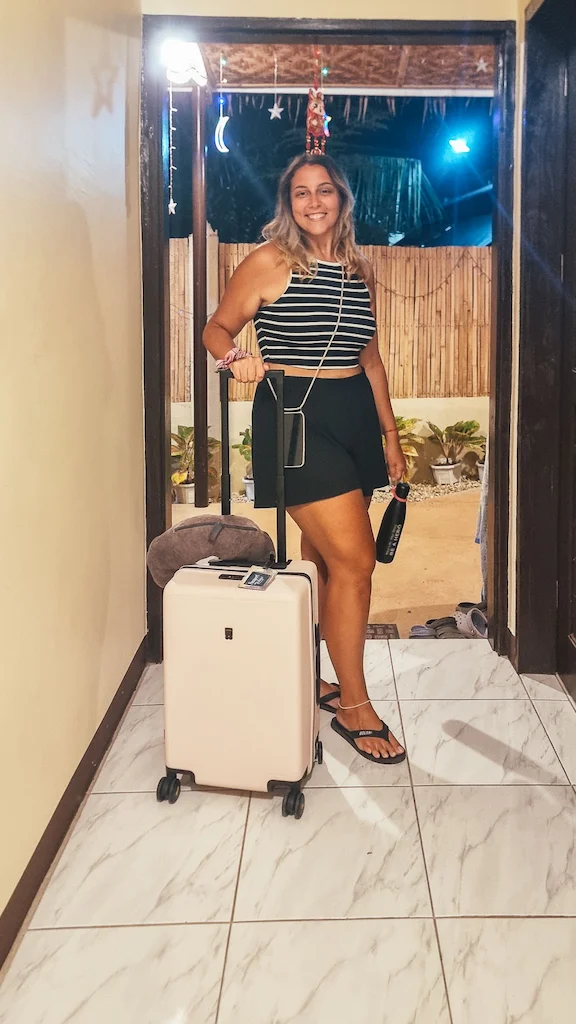
We have always been backpack people, but some trips need a suitcase. Travelling with a backpack seems a natural choice for a long trip in Southeast Asia; roads aren’t perfect, and wheels will suffer. We saw many people holding the suitcase as it failed.
However, if you are planning to travel slowly, with small movements around Wheelie trolleys works amazingly. We had it for a short time in the Philippines and through Vietnam.
Actually, in Ninh Binh, we were able to carry on top of our scooter (not so safe, I know, but fun).
Generally, a word of advice is to check out your Southeast Asia itinerary and work out how many transfers you have. If these are minimal, well lined up and not for so long distances, a suitcase might come in handy.