How Many days in Sapa? Best itineraries and tips

You should spend at least 3 days in Sapa to fully enjoy the atmosphere, vibes, relaxing mountain views, endless coffee and traditional villages. Hidden in Vietnam’s northern mountains, Sapa is a place where lush rice terraces stretch as far as the eye can see, the mountain mist takes the scene in the morning, setting the…
You should spend at least 3 days in Sapa to fully enjoy the atmosphere, vibes, relaxing mountain views, endless coffee and traditional villages.
Hidden in Vietnam’s northern mountains, Sapa is a place where lush rice terraces stretch as far as the eye can see, the mountain mist takes the scene in the morning, setting the perfect scene to wake up with a coffee in my hand.
This was the picture of most of my mornings in Sapa. We didn’t quite know what to expect before arriving here, but Sapa surprised us in the best way possible.
Between spontaneous treks and homestays with local H’mong families, it quickly became a place that got under our skin.
How Many Days in Sapa?
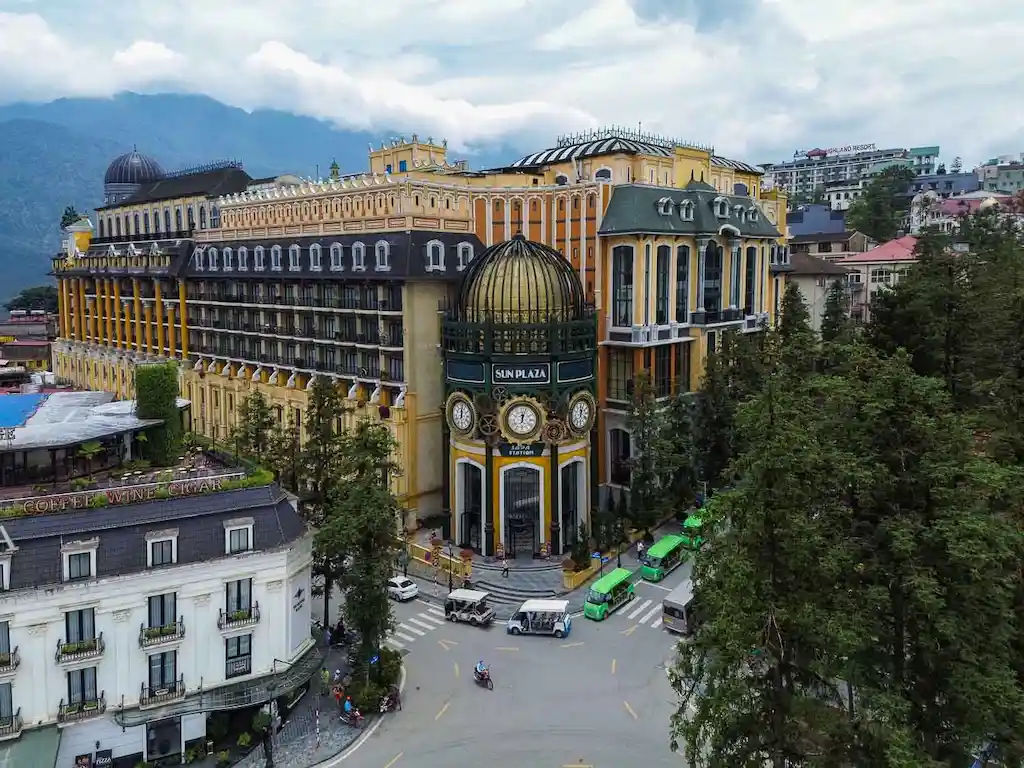
We suggest spending at least three days in Sapa. The mountain town at the foothill of the Fansipan, the highest peak in Southeast Asia, has layers of beauty and culture that reveal themselves the longer you stay. However, you don’t necessarily need weeks to feel the magic.
If you’re planning your itinerary, especially on your own (like us!), we’re here to help with firsthand tips on how to make the most of your time, whether it’s a quick two-day trip or a full week of mountain adventures.
Here’s our ultimate guide on how long to stay, the best areas to settle into, and the can’t-miss experiences that make Sapa worth every moment.
This post includes affiliate links. We may earn a small commission at no cost to you. You can also buy us a coffee to support the site directly. Learn more in our Cookie Policy.
Quick view on how long stay in Sapa
2-3 Days: This works well for a quick escape, letting you dive into the town’s lively centre and hit a few popular trails. It’s enough time to explore the rice terraces, stroll through the local markets, and even hike partway to nearby villages on your own.
For instance, a brief visit to Cat Cat Village is manageable, and it offers a glimpse of the H’mong culture without requiring a full-day commitment.
4-5 Days: We went to Sapa for five days, and this was a perfect balance for budget and experiences on our bucket list, with a pinch of relaxation, too. This time frame allows you to take on a more ambitious hike like the Muong Hoa Valley trail, enjoy a homestay in a traditional village like Ta Van, and perhaps even reach Fansipan’s summit via cable car or trek.
6+ Days: If you have more time, we suggest staying longer in Sapa. I wish I had known before that Sapa was so great, and I’m definitely planning a return in the future. Spend a week in Sapa for an immersive experience.
Sapa’s beauty lies in its hidden corners and slower pace, so taking the time to wander through lesser-known trails or chat with locals brings another level of richness to your journey. Plus, you’ll get the chance to explore the outskirts and even do a scenic motorbike trip to the nearby China border.

Best Itinerary for Exploring Sapa
Now that we’ve broken down the ideal duration let’s look at some sample itineraries that make each day count.
3-Day Itinerary: Quick Sapa Essentials
- Day 1: Reach Sapa, check into your accommodation, and take a walk through the cute town centre. Visit the local market, where you’ll find the local Hmong tribe (mostly ladies) in traditional clothes, selling everything from handmade textiles to delicious street food. In the evening, catch the sunset over the rice terraces—a magical start to your Sapa experience.
- Day 2: Head out early for a half-day trek to Cat Cat Village. It’s a straightforward hike that doesn’t require a guide and offers lovely views of the valley. After lunch back in town, take a cable car ride up Mount Fansipan (weather permitting) and enjoy sweeping views from Vietnam’s highest peak.
- Day 3: Spend your final day visiting one of Sapa’s coffee shops with a view, such as Lao Chai View Coffee. Then, do a short trek or drive to Ta Van Village for a taste of rural life before catching a bus back to Hanoi.
READ ALSO

For further recommendations about sAPA, see this guide.
Sapa itinerary: How to spend 3 days exploring the beauty of Sapa
5-Day Itinerary: In-Depth Exploration
- Day 1: Arrive, settle in, and explore Sapa’s vibrant town (See what Supan Ecolodge looks like). If you’re a coffee lover like us, make a point of finding a cosy spot to enjoy a traditional Vietnamese coffee with sweeping views of the valley below.
- Day 2: Set out on a guided trek to Muong Hoa Valley. This trek is a highlight, leading you through rice terraces and alongside rushing rivers. Plan for a picnic or packed lunch to make it an all-day adventure.
- Day 3: Dive into local culture by spending a night in a H’mong or Dao homestay in Ta Van. You’ll get a firsthand look at daily life in a remote village, plus the food is a real treat—simple, hearty, and memorable.
- Day 4: After your homestay, head back to town and spend the day exploring on your own. Sapa town is vibrant, and the centre is always active from day to night; stroll around the lake or get a coffee at Cong Cafe (One of the most popular coffee chains in Vietnam).
- Day 5: Wrap up with a scenic motorbike or car ride to the Silver Waterfall and even closer to the China border. This final day is the perfect conclusion, offering views and experiences that most travellers miss.

Best Area to Stay to Explore Sapa on Your Own
Planning an itinerary of Sapa on your own isn’t complicated, even if you aren’t prepared enough for it (like us!). It’s pretty easy to explore, search for accommodation (This is our review of the best areas to stay in Sapa, by the way), and even trek on your own.
Choosing the right area to stay can make a huge difference, especially if you prefer to explore independently. Here are a few key areas to consider:
- Sapa Town Center: If convenience is your top priority, staying in the town centre keeps you close to local cafes, markets, and trekking departure points. This is where we based ourselves initially and found it perfect for first-timers. You can step out for a quick bite, shop for trekking supplies, or join a tour if you feel like mixing things up. Plus, it’s easy to find transport here for day trips further afield.
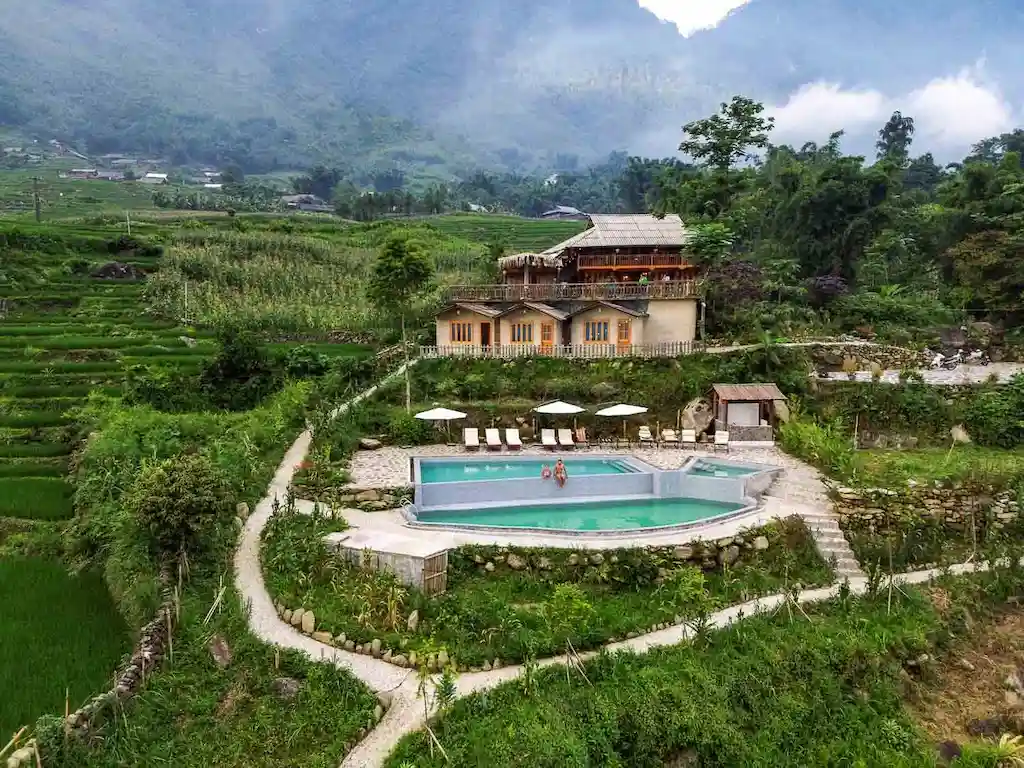
- Ta Van Village: For a more immersive experience, Ta Van is a fantastic choice. It’s located about 10 kilometres from the main town, right in the heart of the rice terraces. Staying here allows you to wake up to stunning views and start your treks right from your doorstep. The vibe here is far more tranquil than the busy town centre, and you’ll get a taste of rural life alongside the local H’mong community. Stay at Sapa Soul for the best guesthouse or Supan Ecolodge for a compromise between traditions and luxury for just 20$ per night.
- Lao Chai Village: If you want something off the beaten path but still accessible, Lao Chai offers a blend of scenic beauty and local culture. Here, you’ll find a handful of homestays with breathtaking valley views and easy access to lesser-known trails. We stayed at a small homestay here, and the peaceful atmosphere, paired with the misty landscape, felt like stepping into another world.
READ OUR FULL REVIEW

For further recommendations about Sapa, see this guide.
Supan Ecolodge & Spa: Everything you need to know and why we loved it so much!
Budgeting for Sapa: Daily Costs and Money-Saving Tips
We are budget travellers, too, and when planning a new destination, we always try to squeeze as much time as possible, making our money get along the way. The good news is that Sapa is backpacker-friendly, with accommodation starting from just $3 per night (and this was for a basic private room for two people, so $1,5 each per night at PEA Homestay).
That’s right, one of the best things about Sapa is how budget-friendly it can be, even with its world-class views and activities. In fact, our fancy stay, with an infinity pool at Supan Ecolodge, was just $20 per night. Taking into account how long your money goes in Sapa, here’s a breakdown of typical daily costs to help you plan:
Daily Budget Estimate
Here’s a general estimate of daily costs based on different budget levels:
Budget: $20–$30 (£15/23 | €18/27) – dorm or homestay, street food, and independent exploration, renting a scooter.
Mid-Range: $40–$60 (£30/46 | €36/55)—mid-range accommodation, dining at casual restaurants, guided treks or short tours, and a mix of renting a scooter and getting taxis.
High-End: $80+ (£61 | €73)—private tours, a possible driver, a taxi around, nicer accommodations, dining at restaurants, and other paid activities.
Sapa accommodation costs
Hostels: $3–$10 (£2/8 | €3/9) per night for a dorm bed. Hostels in Sapa are great for solo travellers or if you are looking to meet up with new friends for adventures. This is a great way even for couples. We met a bunch of crazy people, and we went on a bike ride together to the Silver Waterfall.
Homestays: $5–$15 (£4/11 | €4.5/14) per night. Staying with a local H’mong or Dao family is affordable and offers an immersive cultural experience. Expect basic, cosy accommodations.
Mid-range Hotels: $25–$50 (£19/38 | €23/46) per night. These options are closer to the town centre and have more amenities, perfect for those wanting a mix of comfort and convenience.
Eating out in Sapa
Like the rest of Asia, eating out is pretty affordable, and you can stretch your wallet as far as you need to. Also, consider that food in Vietnam is delicious, and small local restaurants serve noodle soups or Banh Mi for just $1.
Street Food and Local Eateries: $1–$3 (£0.8/2 | €0.9/3) per meal. Sapa’s street food is both tasty and cheap. You can find Vietnamese classics like pho and banh mi around the town for next to nothing.
Casual Restaurants: $3–$7 (£2/5 | €3/6) per meal. Restaurants in the town centre offer slightly pricier dishes, including Western food and Vietnamese classics. We found that a typical meal was still quite affordable. For the best compromise, eat at Hmong Restaurant.
Coffee and Drinks: $1–$2 (£0.8/1.6 | €0.9/2) per coffee. A Vietnamese coffee with a view is a must, especially in spots like Lao Chai View Coffee. However, for very low-budget coffee, get a Vietnamese coffee, basic black long drip for about 10K Dong (£0,50).

How to get to Sapa and around
Buses from Hanoi to Sapa: $10–$20 (£8/16 | €9/18) one way. Buses are the most popular way to reach Sapa, with options ranging from regular to VIP services. The train is another option, usually $15–$25 (£12/19 | €13/23) for a sleeper ticket. // CHECK PRICES HERE!
Local Transportation: Renting a motorbike in Sapa can cost around $6–$10 (£5/8 | €5.5/9) per day, which gives you the freedom to explore nearby villages and waterfalls. Taxis are also available for shorter trips, but they tend to be pricier.
Activities and Trekking
Self-Guided Hikes: Free! There are many trails around Cat Cat Village and Ta Van that you can explore on your own.
Guided Trekking Tours: $15–$50 (£12/38 | €14/46)per person, depending on the length and group size. Booking with a local guide supports the community and is great for those who want in-depth knowledge of the area. Check the best trekking tours of Sapa here.
Fansipan Cable Car: $25 (£19 | €23) for a return ticket. If hiking Fansipan isn’t for you, the cable car offers an easy way to the summit for breathtaking views. // BOOK HERE!

Making the most of your time in Sapa
Sapa isn’t a place you rush through; it’s a place that invites you to slow down, breathe in the fresh mountain air, and let go of any strict itineraries. We enjoyed this unusual town because we took it slow, and believe me, it’s one of the best memories of our recent trip to Southeast Asia.
Whether you’re here for a couple of days or have time to immerse yourself fully, every moment feels like a gift. Between the mist-covered valleys, the warm hospitality of local villagers, and the endless trails, Sapa has a way of settling into your memory.
So, how many days in Sapa? Only you can answer that after experiencing its charm, but if there’s one thing we’d recommend, it’s to give yourself enough time to let this place surprise you. You won’t regret it.