Sri Lanka Travel Costs 2026: Our Honest Budget Guide

Sri Lanka can be cheap, but not everywhere. We share our real prices, two-week couple’s budget and honest lessons from months spent travelling, working and dealing with tourist mark-ups.
We arrived in Sri Lanka exhausted after a long journey through Abu Dhabi, paid 750 LKR (~£2.10 / $2.63 USD / €2.40 EUR) for our first 20-kilometre tuk-tuk ride, and immediately realised one thing: Sri Lanka is only expensive when you travel like a tourist.
After three visits, two months on our most recent trip, and plenty of trial and error across the island, our honest answer is simple. Sri Lanka can still be a brilliant mid-range destination in 2026. But your budget depends heavily on where you stay, how often you use private transport, and how many safaris, boutique hotels and western meals you add.
We travelled mostly mid-range, with occasional splurges when a hotel, restaurant or experience genuinely felt worth it. Here is exactly what we paid and where our money went.
Is Sri Lanka expensive?
Sri Lanka is relatively budget-friendly compared to Western destinations, but costs vary widely depending on your travel style.
If you are travelling on a budget expect to spend 10,000–15,000 LKR (~£28–£42 / $35–$53 USD / €32–€48 EUR) per day.
Instead for a mid-range traveller like us, the average range per day is 21,000–36,000 LKR (~£59–£101 / $74–$126 USD / €67–€115 EUR).
We don’t deny that on splurge day, and so for luxury travellers the daily budget rise to 54,000+ LKR (~£151+ / $189+ USD / €173+ EUR).
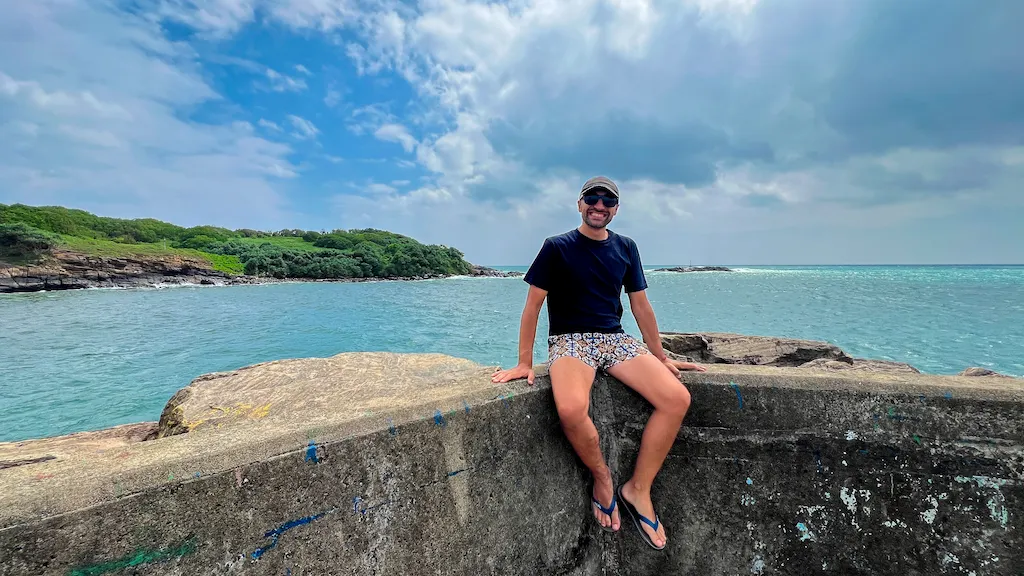
👋Toti & Ale here
London couple, 45+ countries, 300+ guides. We are full-time content creators, travelling as slowmads, spending quality time in places we love the most. We travelled through Sri Lanka as slow travellers and digital nomads for over three months. Staying in local guesthouses, occasional splurge, plenty of coffee in pretty places these are our summarised receipts and travel expenses.
September 11, 2026 Updated, with prices, new openings and reviews. No AI; all road-tested.

How much does a daily trip to Sri Lanka cost? Our 2026 budget breakdown
Sri Lanka is not expensive compared with the UK, Europe, definitely cheaper compared to the Us.. Local food, public transport, coconuts, buses and simple accommodation can be remarkably cheap.
However, Sri Lanka is not as consistently cheap as some travellers expect. Tourist areas such as Galle Fort, Mirissa, Weligama and Hiriketiya often charge much more than smaller towns. Western food, coffee, cocktails, laundry, surf lessons and safaris can quickly change your daily budget.
We noticed the difference clearly between central Sri Lanka and the southern coast. In Hiriketiya, prices were around 50% higher than in central areas. By December, coffee, drinks and pizza had increased by roughly 10–20% compared with November.
How Much Do Two Weeks in Sri Lanka Cost?
Based on our real spending across almost three months in Sri Lanka, I would budget around 464,000–571,000 LKR (~£1,300–£1,600 / $1,624–$2,000 USD / €1,485–€1,827 EUR) for two people for a comfortable two-week trip, excluding international flights.
That assumes private rooms up to 10,700 LKR (~£30 / $38 USD / €34 EUR) per night, and occasional 21,400–28,500 LKR (~£60–£80 / $75–$100 USD / €69–€91 EUR) boutique hotels. The budget takes into consideration mostly eating locally, and taking public transportation when possible.
Strictly travel smart and booking PickMe for tuktuk without bargaining with locals. Coffee is a must for us everyday, like breakfast and paid activities. We’ve also compromised with a couple of nice dinners per week and at least two fancy nicer stays.
| EXPENSES | 2-WEEK BUDGET FOR TWO | WHAT THIS COVERS |
|---|---|---|
 Accommodation Accommodation | £450-£950 | Private guesthouses, simple apartments, mid-range hotels and one or two splurge stays. |
 Food and Groceries Food and Groceries | £500-£800 | Local rice and curry, cafés, supermarket snacks and a few western meals. |
 Local transport and rental Local transport and rental | £120-£250 | PickMe tuk-tuks, buses, trains, short scooter hire and fuel. |
 Coffee and drinks Coffee and drinks | £100-£150 | Cafés, beach coffees, soft drinks and occasional beers. |
 Activities and entrance fees Activities and entrance fees | £200-£450 | Temples, hikes, snorkelling, surfing and smaller paid experiences. |
 Sim, laundry and extras Sim, laundry and extras | £50-£100 | Mobile data, laundry, tips, parking and small unexpected costs. |
| Estimate Total | £1,400-£2,700 | For two people, excluding flights and major safaris. |
| Comfortable target | Around £1,600 | A realistic mid-range budget with occasional splurges. |
Our honest take: You can spend less by choosing local accommodation, eating rice and curry, and relying on public transport. Your budget rises quickly with private drivers, boutique hotels, western food and wildlife safaris, so treat major safari costs as a separate allowance.
Our Sri Lanka travel style
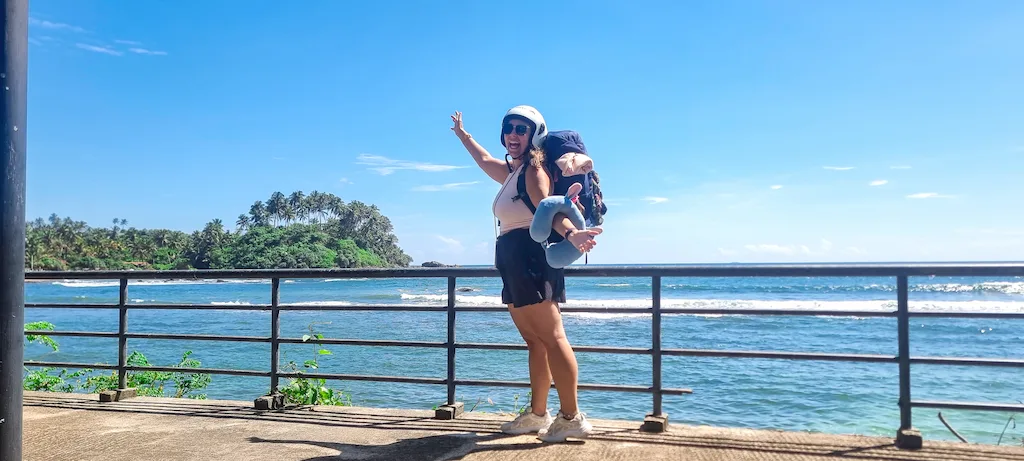
We were not backpacking on the absolute cheapest budget. We also were not travelling on a luxury holiday.
Our style was closer to slow travel:
- Private rooms, guesthouses and apartments thoroughly researched.
- Local buses and trains when they made sense.
- PickMe tuk-tuks and motorbike rentals for shorter journeys.
- Occasional boutique and five-star stays.
- Local food most days, with burgers, pizza and coffee when we needed a break.
- Safaris, surf lessons, hiking and cultural experiences.
- Reliable Wi-Fi became a priority because we were working as digital nomads.
We spent more than a typical tourist sometimes, because we needed good internet, air conditioning, private space and somewhere comfortable to work.
Our two-week apartment in Polhena, between Mirissa and Matara, cost 84,000 LKR (~£235 / $294 USD / €269 EUR) in total.
It was a bargain I found through a local Facebook group. That worked out at 6,000 LKR (~£17 / $21 USD / €19 EUR) per day, with a kitchen, private shower, Wi-Fi and access to the beach. It was very close to one of the nightlife hotspots of Mirissa.
Very hard to find. For us, this was far better value than moving hotels every few nights.
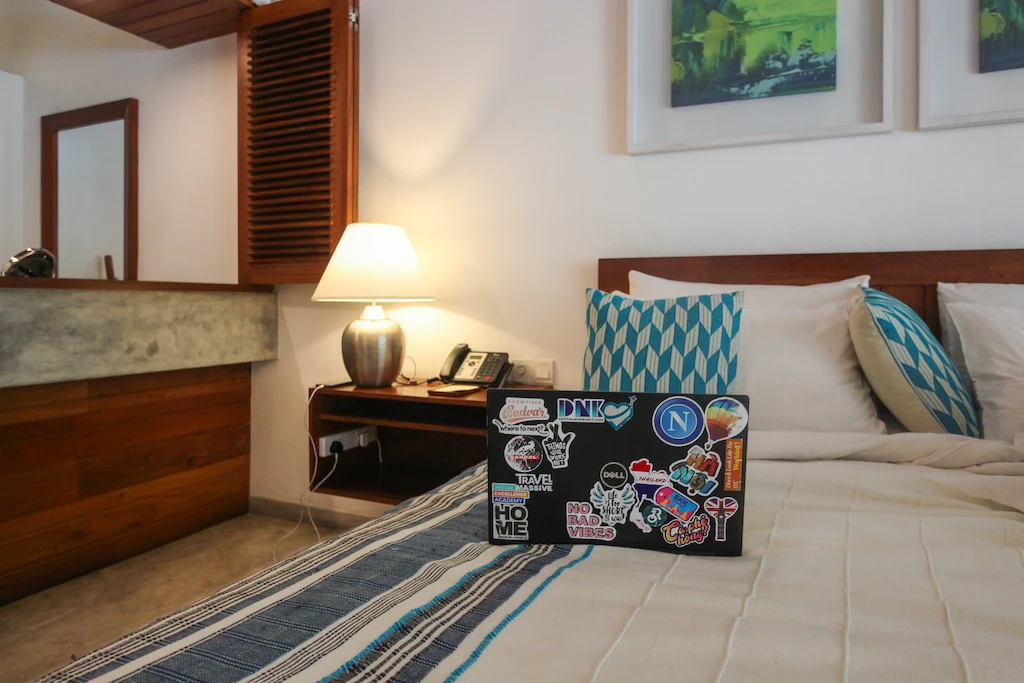
Accommodation in Sri Lanka: What we actually paid night to night
Accommodation is where your budget can either stay sensible or disappear.
We stayed in everything from budget accommodation and local villas to boutique hotels or high end properties like the Taj Samudra in Colombo. Our experience was that good local accommodation can offer excellent value, but the most attractive boutique hotels are not always cheap.
The Muse in Bentota starts from around £80 per night, while Rock Villa, next door starts from around £120 per night. We stayed at both and honestly thought they were worth the occasional splurge, especially after the heat, noise and chaos of Colombo.
We also stayed in a simple local apartment for less than $20 per day. We had a shared kitchen, hot water, strong Wi-Fi and a quiet garden. I would do that again instead of paying for a resort every night.
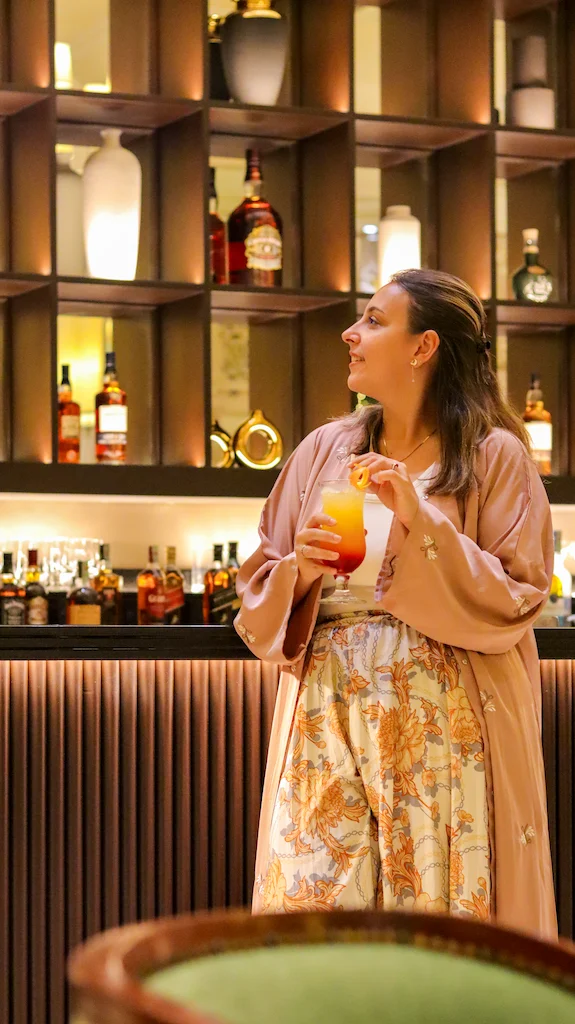

Food & Drink costs in Sri Lanka
The problem is that you will trade tourist restaurants for local rice and Curry.
Sri Lankan food remains one of the best ways to keep your spending under control.
Our first proper meal at CheR’ish27 in Negombo included two ham and cheese sandwiches with fries, a watermelon juice and a latte. The total was 3,600 LKR. That’s about £9 ($11).
In Bentota, we ate at Ceylon Taste and received an enormous spread of rice, noodles, chicken, curry, potatoes and hoppers. The bill was only 3,000 LKR for both of us. We could barely finish it.
In Weligama, a large chicken fried rice with a Coke at New Ajith Hotel cost 1,800 LKR. At Wok&Go in Unawatuna, a portion of chicken noodles cost 1,200 LKR and was enough for both of us.
These are the meals that made us realise Sri Lanka food prices can still be excellent away from the most fashionable cafés.
The difference appears when you want western food. Two coffees in Mirissa cost us 2,000 LKR. At 26Cafe overlooking Parrot Rock, a hot latte and iced coconut latte cost 2,150 LKR. At Bacuzzi in Hiriketiya, a pizza, beer and tiramisu came to 6,460 LKR.
We loved many of those meals, but they were not local-budget prices.
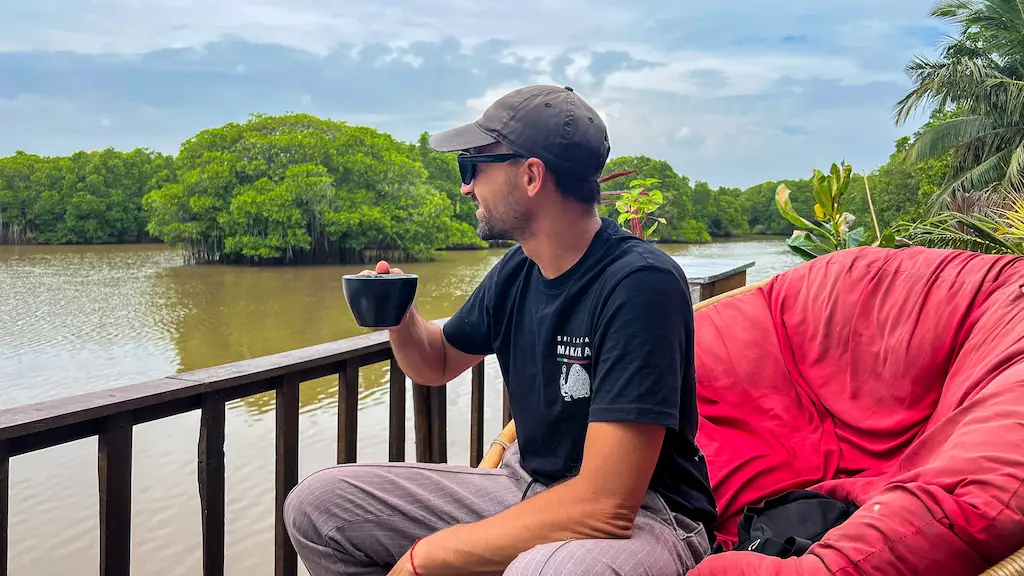
Coffee, drinks and tourist areas
Coffee became a surprisingly large part of our Sri Lanka travel budget.
At Twin Fin Surf and Coffee in Ahangama, a latte cost 800 LKR plus a 10% service charge. At Shady Lane in Mirissa, my latte cost 700 LKR. At Cactus Café in Ahangama, a latte cost 1,000 LKR. These are the current most iconic touristy spots on Sri Lanka south coast.
Those prices are still low compared with London, but they add up quickly when you are working from cafés every day.
We break down these prices in our full guide to the best cafés in Hiriketiya, so you can plan a coffee budget around the most scenic spots without overspending.
Drinks are even more inconsistent. A Lion beer at Weligama beach cost 1,000 LKR, which felt overpriced but fair for the location. At Odin’s near Coconut Hill, a local Tiger beer cost 1,500 LKR.
When we had night outs, we ate at Dr. House, in Mirissa. Here, a simple burger was 4,000 LKR, which we considered expensive for Sri Lankan standards, not so much for what we are used to paying in London, but quite close.
Our personal tip is simple: enjoy the expensive cafés occasionally, then eat at a local restaurant for your main meal.
☕ Buy us a coffee!
Our travel guides are free and made with love to help you explore more, spend less, and travel better. Passport and Stamps project is all run at our expenses, and reader founded. If you’ve found our tips and guides useful, we’ll appreciate if you can buy us a coffee.
This will keep the adventures going and support more content like this. Cheers!! ☕🌍

Transport in Sri Lanka (Train, buses, private drivers, tuk tuk – compared)
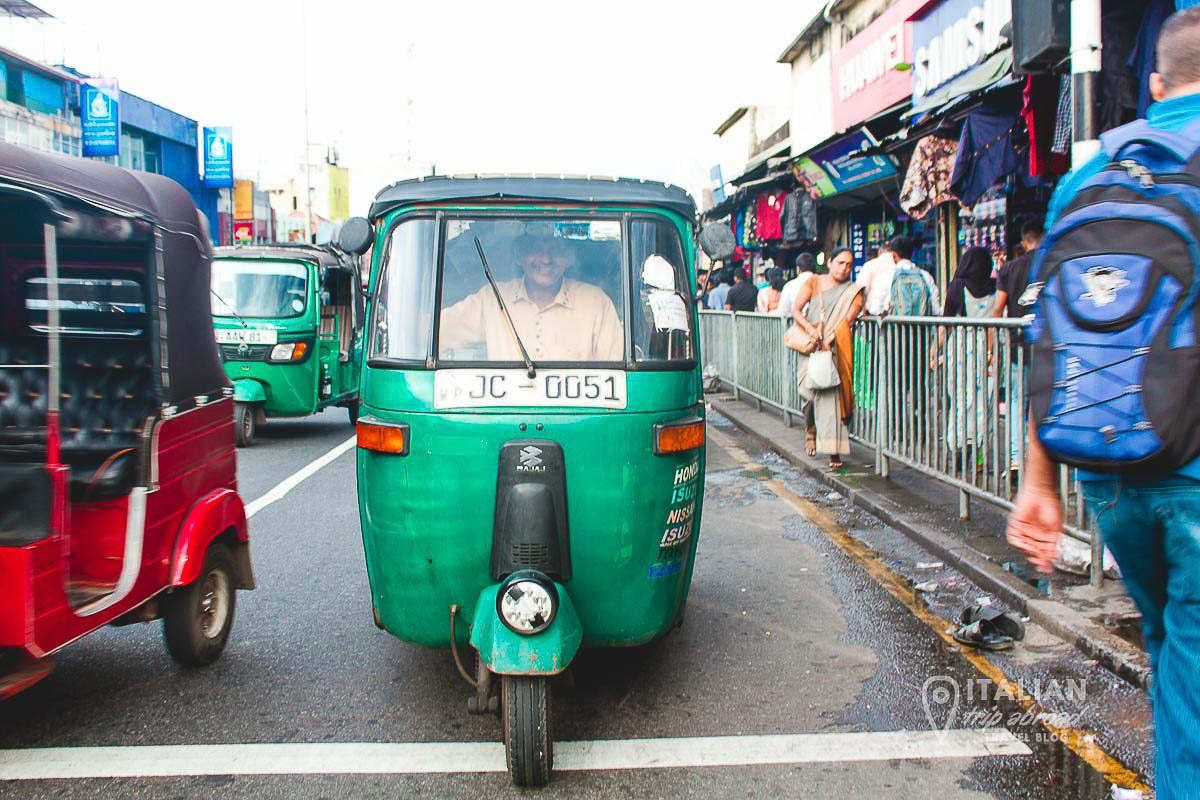
Public transport is where Sri Lanka becomes genuinely affordable, although comfort is not always part of the deal. Tuk-tuks are cheap when you use PickMe and agree to the app fare.
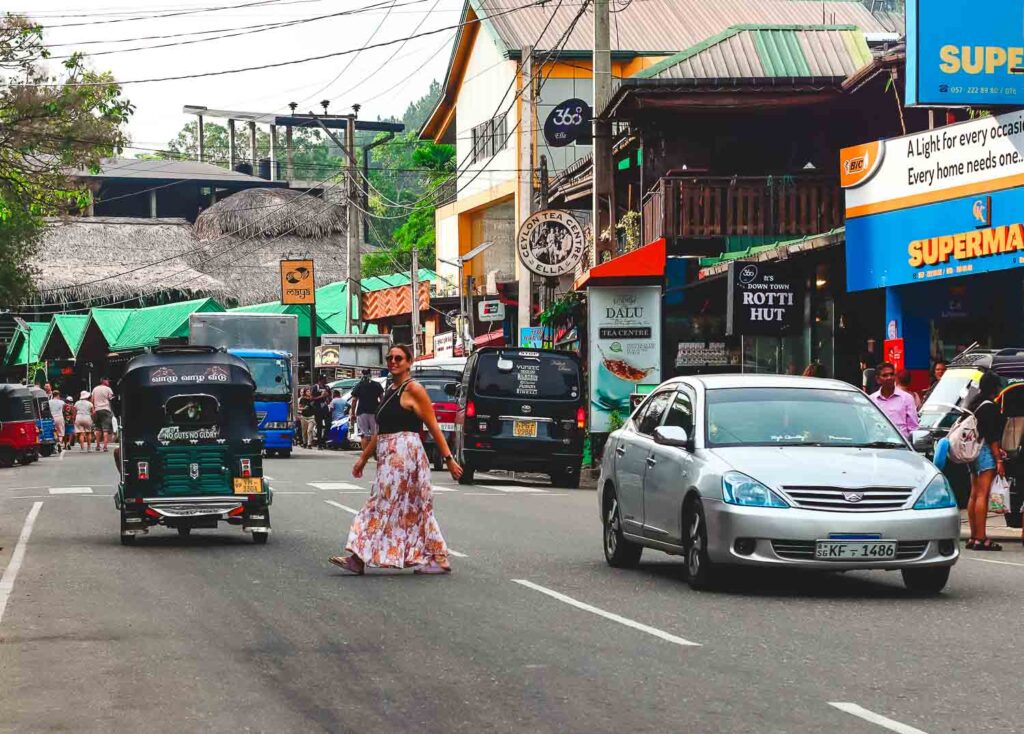
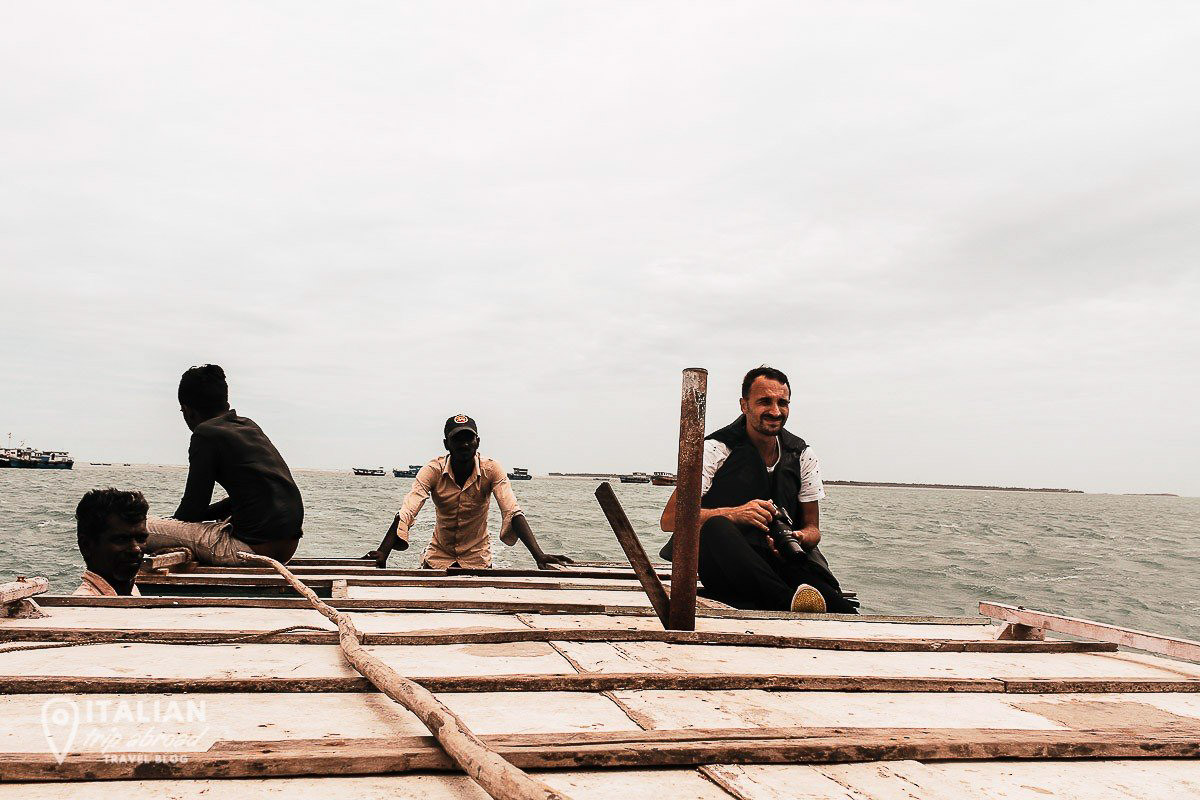
From Colombo Airport to Negombo, our 20-kilometre, 30-minute PickMe tuk-tuk cost 750 LKR. We had to walk three minutes outside the airport gates because tuk-tuks cannot enter the main pickup area. That’s why we say that every budget, even a smaller one, can go a long way if you work smart.
Regarding Pick Me, there is a catch. Some local drivers intimidate PickMe drivers because app fares are cheaper. In Weligama, we struggled to find a tuk-tuk, so we ordered two PickMe motorbikes separately. Always check the registration plate and driver’s name. I also made the tired mistake of paying cash at the airport, even though the app accepted cards.
Buses and trains are even cheaper. The AC bus from Negombo to Colombo cost 310 LKR per person and took around 50 minutes, although it became dangerously crowded. A Colombo local bus cost us 40 LKR each for eight stops.
Negombo to Colombo Fort cost 100 LKR in third class or 200 LKR in second class. Kandy to Ella costs around 300 LKR in third class or 600 LKR in second class.
We paid 2,200 LKR for first class from Galle to Bentota because second class was unavailable. Taking public transport instead of hiring a private driver can save you a serious amount of money.
If you’re aiming for the south coast surf towns, our step-by-step guide on how to get to Hiriketiya compares bus, train and private driver costs so you can choose the best option for your budget.
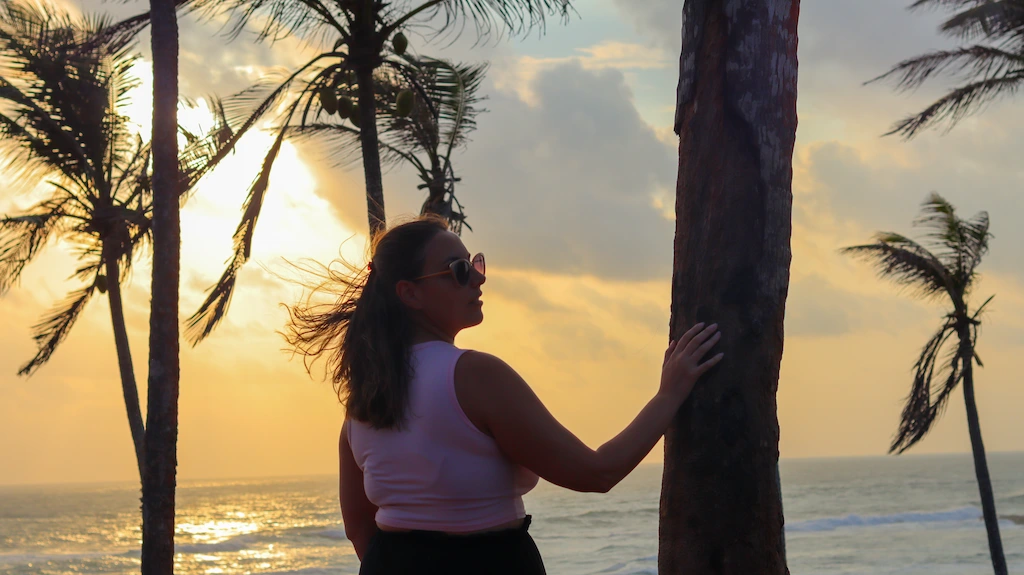
Activities and experiences in Sri Lanka: Why Safaris and Sites Cost More Than You Think
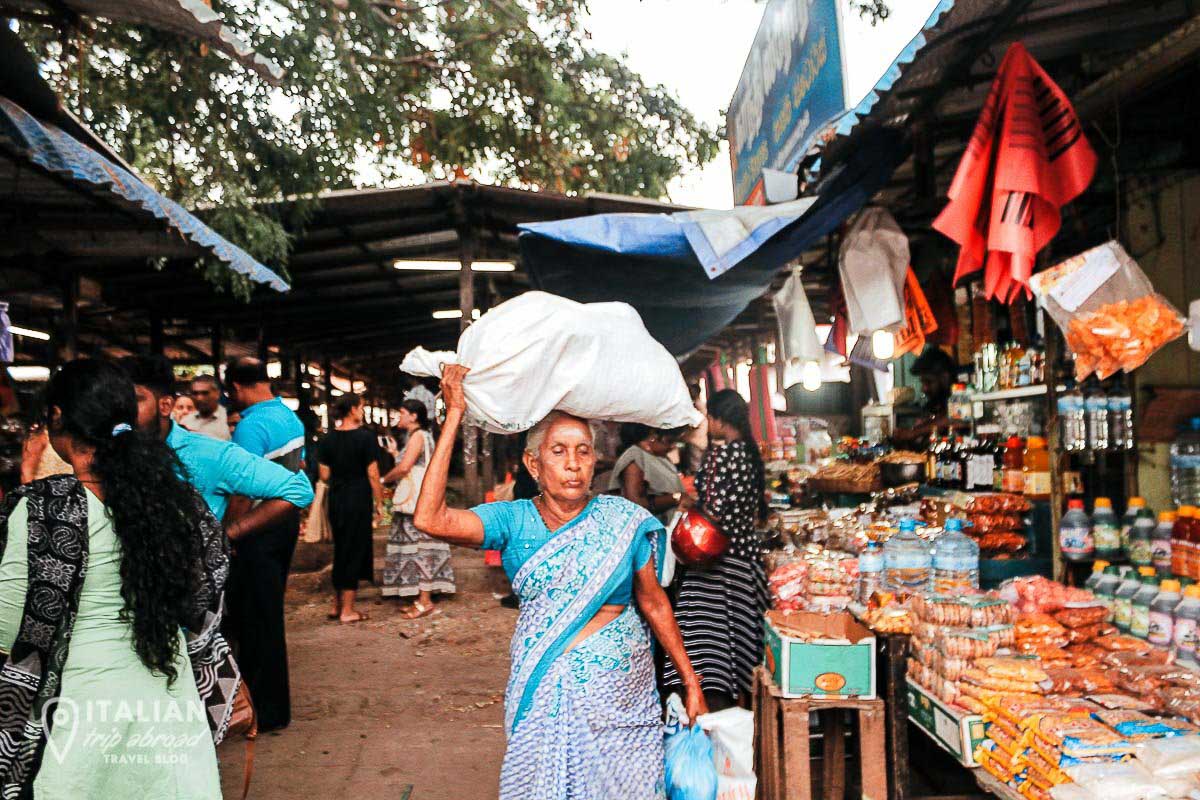
Sri Lanka has plenty of free or nearly free activities. Walking around Galle Fort, exploring local markets, lounging on the beach, hiking Little Adam’s Peak and Ella Rock and watching sunsets cost us very little.
The paid experiences are where your budget changes. Also, worth checking our ultimate guide to Ella.
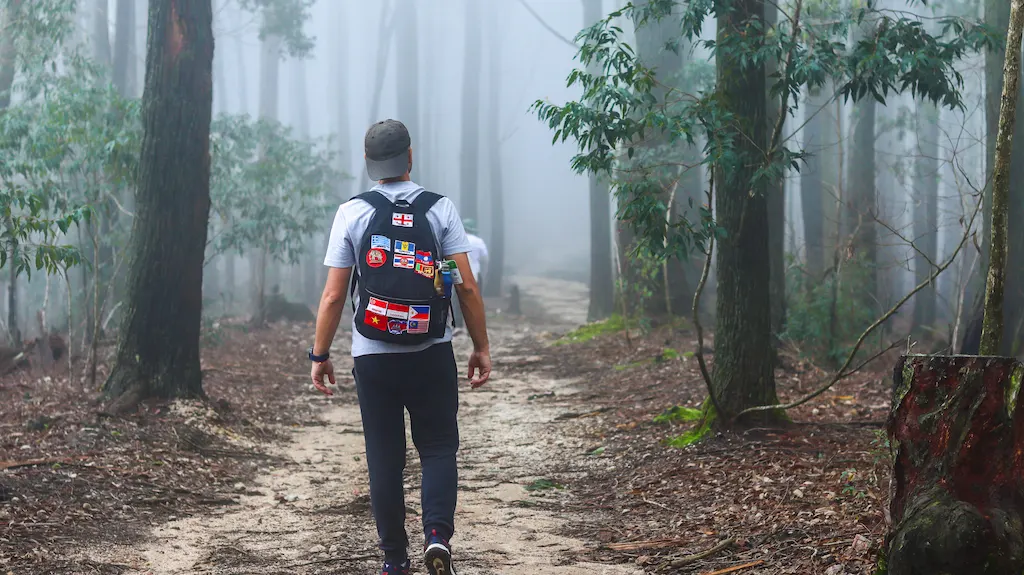
Ella Rock cost 930 LKR per foreign visitor, and in our easy Ella Rock hike guide we explain routes, timings and how to keep it affordable. Gangaramaya Temple in Colombo cost 500 LKR per person, while Seema Malaka also cost 500 LKR per person.
The Colombo National Museum added another 1,200 LKR to our budget for a brief visit.
On the other hand, surfing was excellent compared with Bali. In Bentota, we were quoted 5,000 LKR for a surf lesson including the board. It was the same as we paid in Weligama for a set of 5 lessons each. It was amazing to finally learn how to surf.
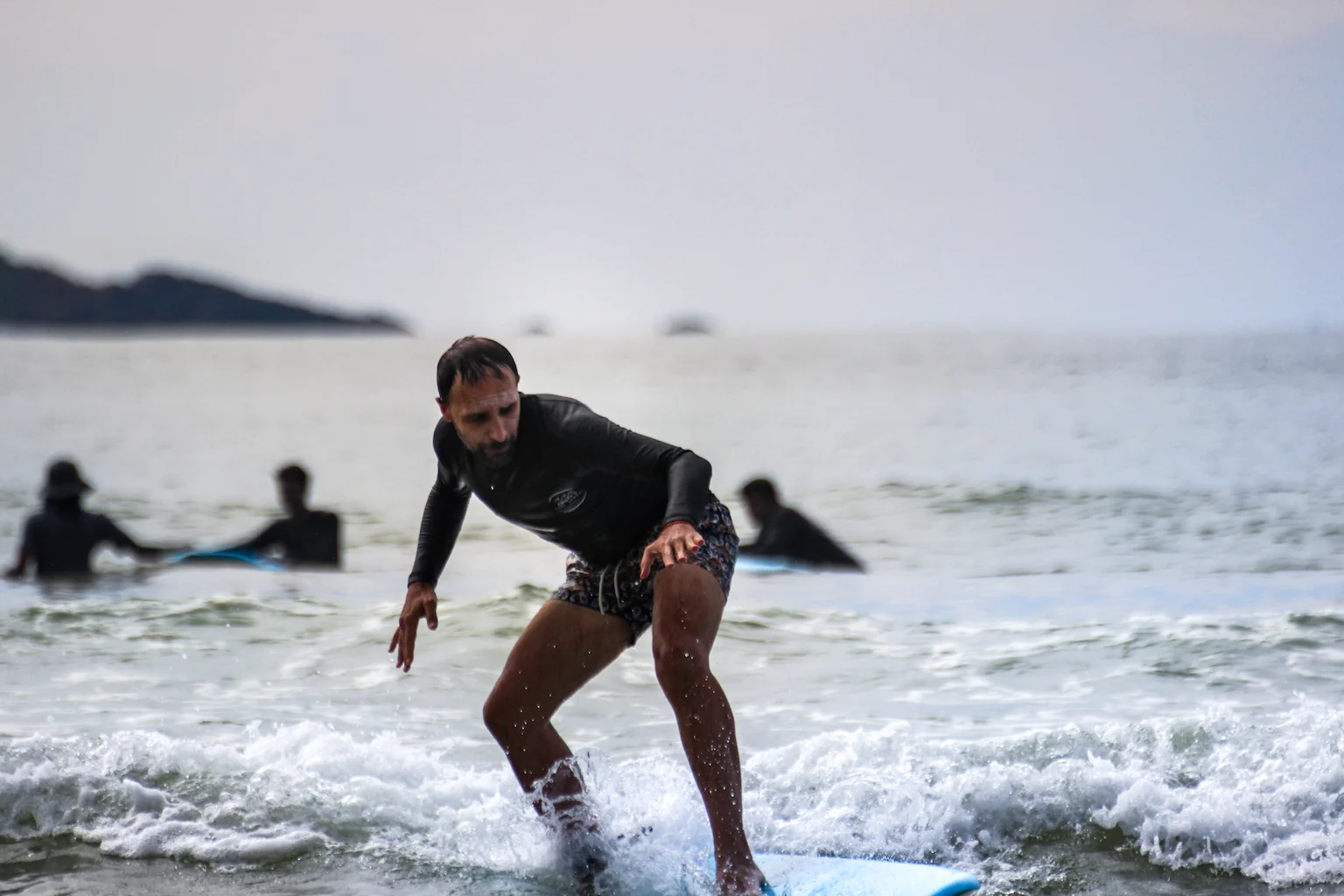
A board rental in Hiriketiya cost 1,000 LKR for one hour. A snorkelling mask at Polhena cost 1,000 LKR.
The best budget activity was probably The transport to the actual starting point is more expensive than the entrance ticket.
The best budget activity was probably hiking Pidurangala Rock, and our dedicated guide to the Pidurangala Rock sunrise hike shows why it’s cheaper and, honestly, better value than Sigiriya.
We always suggest Pidurangala over Sigiriya, where the entrance ticket costs $35 per person. It’s way more expensive than well known ancient sites, even much more interesting than this one.
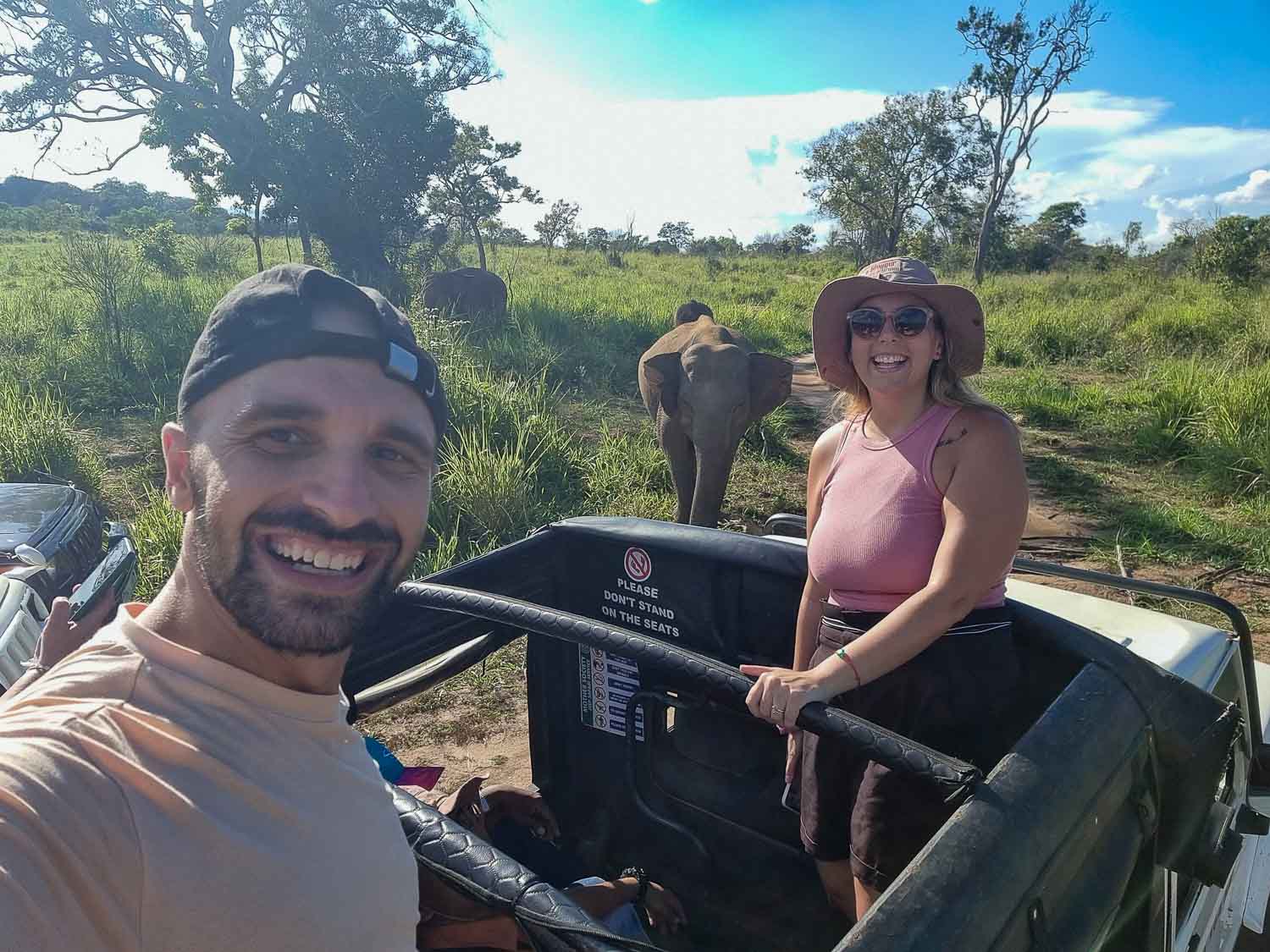
Safaris are the big expense
Accounts for safaris, well above what you’ve initially thought. Honestly, I suggest you budget for it, because Wildlife safaris are the best experience in Sri Lanka.
Overall, park entrance fees are expensive, and on top of it you need to budget for vehicle charges, guide, service fees, tips and taxes off the bill. We have been to four national parks in Sri Lanka, and Wasgamuwa National Park is the cheapest. The entrance ticket alone costs $30 per person. This doesn’t account for the expenses mentioned before.
Also consider booking your safari trip online. GetYourGuide has a very good selection. We love our first safari in Minneriya, but you must check for seasonality migration of elephants between territories.
The good alternatives are Udawalawa (we went twice and stayed overnight at the – Grand Udawalawe Safari Resort) and nearby the Hurulu Eco Park (£25 – all included tour and entrance fee).
We chose less-visited parks such as Wasgamuwa and Minneriya instead of automatically following the Yala crowd. In Udawalawe, a pottery experience at Craft Tunnel cost 10 USD per person. It included a hands-on demonstration, lunch and the chance to work with Master Potter Ajith Perera. That felt like far better value than another generic tourist stop.
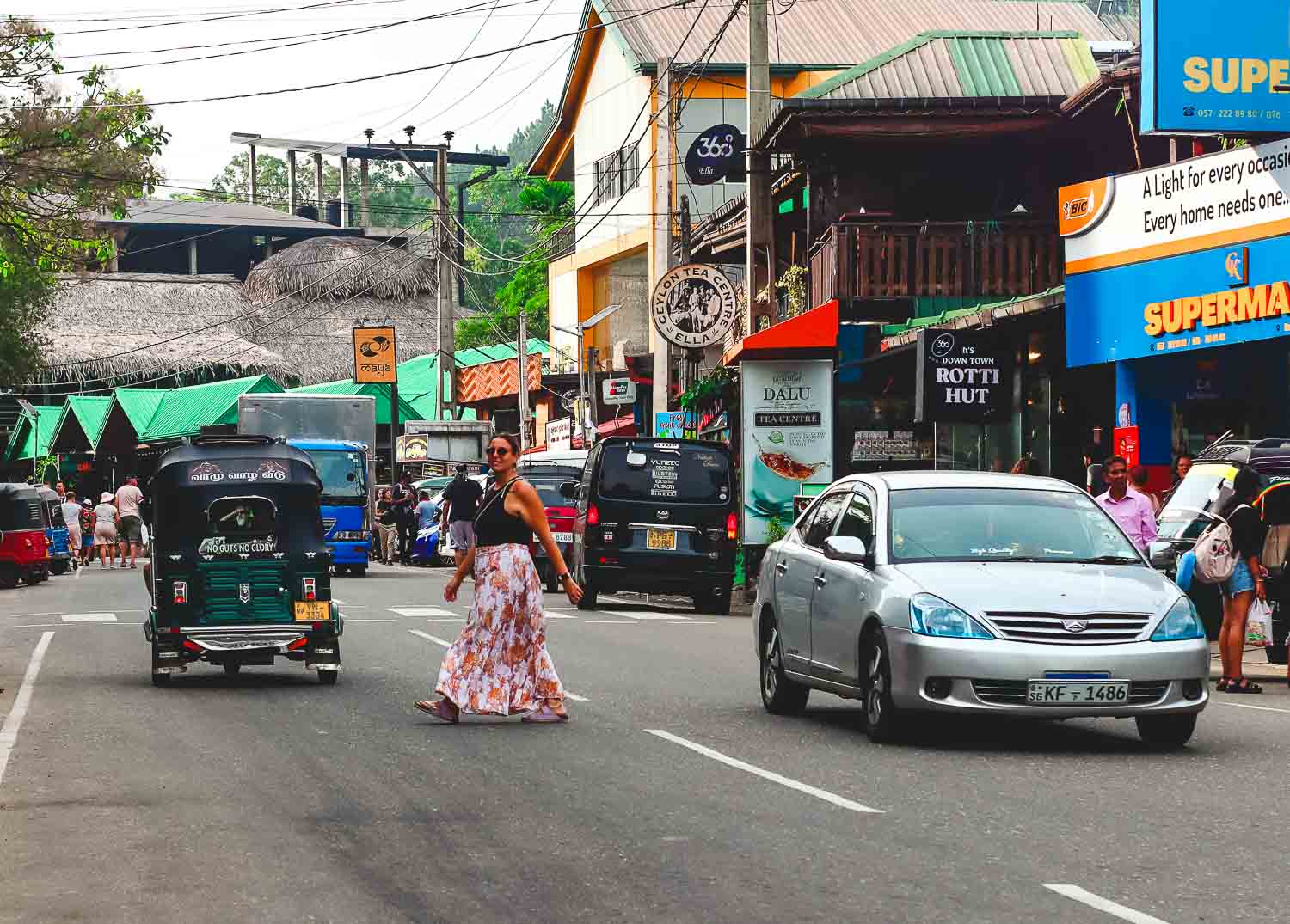
Hidden costs in Sri Lanka
The highest hidden costs were not always obvious when booking the trip. Laundry became expensive during our longer stay. We found prices from 500 to 700 LKR per kilogram. For two people travelling with limited clothes, washing two or three times a week could easily become £20–£30 per week.
We eventually preferred accommodation with a washing machine or kitchen, even if the room cost a little more.
The Internet was another cost. Our Dialog SIM cost 5 USD for 20 GB over 30 days. We later bought an unlimited social media package with 4 GB anytime data for 800 LKR. A 125 GB, 30-day plan costs around 4,000 LKR. It’s better to have an E-sim data plan in Sri Lanka (use TOTIANDALE5 for a discount); it’s more reliable and cost-effective, even if you are staying just two weeks.
Service charges and taxes also appear at the bottom of menus. Some cafés add a 10% service charge and 10% tax, especially for Western food.
Tourist pricing is real too. My haircut in Ella cost 2,000 LKR, while our local guide paid 500 LKR for the same service.
Our Sri Lanka insurance and why it’s necessary
Travel insurance is not mandatory for Sri Lanka, but I would never travel there without it. The island is adventurous, unpredictable and sometimes rough around the edges. We had food poisoning, transport disruption, and a violent, unexpected cyclone. Even though we always felt covered by our travel insurance with SafetyWing. It only cost us $54 per month on a rolling basis for our extended trips in Asia.
We learned this the hard way during our latest trip. In late November, Cyclonic Storm Ditwah caused serious flooding and disruption across the country. Roads were flooded, electricity went off in parts of Hiriketiya and several cafés became makeshift workspaces for travellers trying to charge laptops and find Wi-Fi.
Of course, planning for travel insurance adds to the overall Sri Lanka budget, but I wouldn’t say it is expensive or flex your trip too much.
Read Also
Is Sri Lanka cheaper than Vietnam or Thailand?
We’ve been travelling extensively in all three countries for a very long time. What looks cheaper on the paper in one, makes something else expensive though.
Overall, we can confidently say that Sri Lanka can be cheaper for local transport and some local meals.
However, Thailand often felt easier for long-term travellers. Laundry was cheaper, transport pricing was more predictable and tourist infrastructure was way more developed in places such as Chiang Mai, Bangkok and Koh Lanta.
Vietnam on the other hand, often offered better value for coffee, street food and longer-distance transport. What makes Sri Lanka really more expensive than the two we are comparing are the activities. Far beyond has the best wildlife safari in Asia, and Sri Lanka wins for scenery and the variety of experiences packed into one tiny island.
So, is Sri Lanka cheaper than Thailand? Sometimes, but not automatically.
Is Sri Lanka cheaper than Vietnam? Again, it depends on the travel style. We do the same in Thailand, as we can strive for better accommodation for the price we pay. Sometimes for the same, you’ll spend double in Sri Lanka.
Locals in Sri Lanka don’t eat out; rather, they eat at home, while Thai and Vietnamese people do. So the price of eating out, street food, drops significantly. Because of just under 2 million visitors per year, Western dinner can push your daily spending above what we paid in Vietnam.
Our Final Verdict: Is Sri Lanka Worth the Money?
So, is Sri Lanka expensive in 2026? No, not if you travel with a little strategy.
Sri Lanka becomes expensive when you use private drivers everywhere, eat Western food every day, book boutique hotels continuously and add several safaris or organised tours.
But if you travel slowly, use public transport, stay in local apartments, eat rice and curry, and save your money for the experiences that matter, Sri Lanka remains one of the most rewarding countries we have visited in Asia.
Sometimes, but not automatically. Sri Lanka is cheaper for local buses, trains, tuk-tuks and rice-and-curry meals. Thailand often gives you better accommodation and more reliable tourist infrastructure for the same money, while Bali’s popular cafés and beach areas can be much more expensive. For us, Sri Lanka’s highest cost is activities, especially safaris.