
Backpacking in Croatia | 4 great itineraries for every traveller

We travelled across Croatia from north to south, using only public transport and backpacks. Our ultimate guide to backpacking in Croatia includes visiting the best places and activities. You’ll find an itinerary for backpacking in Croatia, covering the most amazing cities like Dubrovnik, Split, Zagreb and some charming little towns. Our guide on backpacking in…
We travelled across Croatia from north to south, using only public transport and backpacks. Our ultimate guide to backpacking in Croatia includes visiting the best places and activities.
You’ll find an itinerary for backpacking in Croatia, covering the most amazing cities like Dubrovnik, Split, Zagreb and some charming little towns. Our guide on backpacking in Croatia is perfect for budget planning, booking transportation and activities, getting visa information, and other useful tips.
Croatia is a diverse country with plenty of engaging activities. Croatia always has something fun to do, and it is one of Europe’s most visited backpacker destinations, washed by the Adriatic Sea. Our guide will help you travel in Croatia on a budget, with tips on how to cut costs. However, remember that Croatia is not as cheap as it was ten years ago.
Join us on this journey to discover the best places to go backpacking in Croatia, the ideal accommodation options, and suggested Croatia Itineraries.

Where to go in Croatia for backpackers? Our personal experience!
We had a plan during our two-week trip through Croatia, but we also left room for some adventure. We knew we wanted to base ourselves in a few locations to explore the surrounding areas.
Our first stop was Zagreb, which had the cheapest airport to arrive at. We could take many day trips from Zagreb, including visits to Ljubljana, Plitvice Lakes, Karlovac, and more.
Next, we headed south to Dubrovnik and stayed there for three days. It was quite a lot, especially after a long overnight bus journey, but it was worth it. If you’re planning a slow journey, it’s definitely needed a long stay.
Split was our third location and our favourite so far. It is perfect for backpackers because of its central location and easy access to public transportation. Not to mention is cheap for accommodation food and activities. We wish stayed longer, but definitely already planning to return in the future.
Our last stop in Croatia was Rijeka, which was perfect for relaxing and unwinding after travelling around for a while, and at fast pace. As the biggest city in Istria, Rijeka offered a great getaway to Pula, Rovinj, and Porec.
How long are you staying in Croatia? Jump to one of the following itineraries!
What you should know about Croatia
Visiting Croatia on a budget is amazing, but to truly enjoy your experience, it’s important to have some knowledge about the country’s history.
We have explored the country from North to south with our backpacks, having the best time but watching our wallet. Croatia isn’t what everyone tells, affordable and cheap. Well, we will talk about that deeper very soon. In the meantime, there you go with what you should know about Croatia.
The Duchy of Croatia and the Duchy of Pannonian Croatia were the entities that formed the nation now known as Croatia. They were later united to create the Kingdom of Croatia, which lasted from 925 to 1018.
After the First World War, Croatia became part of Yugoslavia. During the Second World War, Germany invaded Yugoslavia, and the independent Croatian state was established.
It’s incredible to think about everything Croatia has gone through, but today, it is one of the most developed countries in Europe. Croats, also called Croatians, are some of the friendliest people in Europe. They will go out of their way to help and warmly welcome you to their country.
If you get the chance to visit a Croatian home, you will be offered only the best food and drinks. The hosts want to ensure you feel comfortable and well-fed during your stay. Croatians are also very proud of their traditions. You will see many traditional festivals throughout the country, and the locals are always eager to attend them.

Useful information backpacking in Croatia
Best time to go backpacking in Croatia
The weather in Croatia varies depending on the region you visit. Generally, the inner parts of the country tend to be colder than the coastal areas, which are usually windier. Also, rural Croatia is cheaper compared to high pricey coastal towns.
If you visit Croatia in winter, you might experience harsher weather conditions inland, such as snow. However, the weather is generally milder along the coasts, and the southern region (from Split to Dubrovnik) is hot, making it ideal for beach activities from May onwards.
Winter in Croatia
In the country’s coastal regions, the weather is usually warm, but it may not be warm enough to go for a swim or get a tan. However, this could be the perfect time to visit if you are on a tight budget.
From November to April, prices are at their lowest, and you can easily enjoy a luxurious vacation at an affordable price.
Spring in Croatia
By the middle of March, spring has arrived, bringing perfect weather for a trip to Croatia. Travelling to Croatia during this season is ideal due to the lower prices and less crowded iconic landmarks.
Additionally, spring is the perfect time for outdoor activities such as cycling, kayaking, and hiking. The temperatures are warm and dry, with occasional spells of cooler weather towards the end of the season. This makes it an excellent time to enjoy a few days on the beach.
🌞 Summer in Croatia: Bustling Beaches and Vibrant Nights
Croatia’s peak tourist season is in summer (Generally from end of April – Spring break – Until end of September) when the weather ranges from nice to very hot, perfect for heading to the beach or enjoying outdoor adventures by the seashore.
However, this period also sees a surge in tourists, making destinations crowded (every corner of Croatia, not only popular hotspots). Be prepared for higher prices on accommodation, food, and other services.
To make the most of your summer trip, consider booking early, exploring less crowded beaches, getting deeper into the local culture, and visiting remote villages or small towns. Despite the crowds, the lively atmosphere and perfect swimming conditions make it a magical time to visit.
Autumn in Croatia
Backpacking in Croatia during autumn is great due to the warm weather, fewer crowds, and lower prices.

Visa for Croatia
If you are a resident of the European Union or hold an EU passport, you don’t need a visa to visit Croatia. If you meet these requirements, you can stay for up to 90 days within any six months. As an EU resident travelling through Croatia, you only need a valid ID card, not necessarily a passport.
However, visitors from countries outside the EU must have a valid passport. It’s important to note that from 2023 Croatia is part of Europe Schengen area. That’s why it is loosing appeal among Americans digital nomads that prefer nearby locations such as Albania and Bulgaria.
Usual phrases in Croatian
Croatia is a country where multiple languages are spoken, as with many European and Balkan countries. However, most Croatians, especially those belonging to the younger generation, are fluent in English. So, if you plan to travel to the main cities or popular tourist spots, you shouldn’t have any problem communicating with the locals.
However, exploring the less popular inland areas can be challenging as finding people who speak good English may not be easy. But don’t let that stop you from having an adventure and exploring the hidden gems of this beautiful country.
Also, a significant percentage of the Croatian population (33%) speaks German, and French is also spoken fluently by 23% of the population.
Learning some essential phrases can get a long way interacting with locals. Even if you only manage to say a few words, locals appreciate the effort, and it can be a great way to break the ice.
So, if you plan on backpacking around Croatia, take note of these common phrases and save them on your phone. They may come in handy and help you have a more fulfilling experience

Budget backpacking in Croatia
Croatia is an ideal destination for backpackers in Europe. Although it’s not the most expensive country, it’s not the cheapest either. We spent slightly more than we expected during our trip to Croatia, but it was within our budget.
To save money, we chose a few places to stay that were more affordable than others. We also used buses, ferries, and trains to cut down on transportation costs, and on a couple of occasions, we took night buses.
On our road trip across Croatia, we spent around £80/$100 per day, which covered accommodation, food, transportation, and activities. This budget is adequate during the shoulder season or winter and doesn’t require much compromise.
If you stick to local food from markets, shops, bakeries, or quick bites, you can manage with approximately £20/$25 per day. However, if you dine at a restaurant, the cost will be the same as one meal, which is reasonable considering the large portions served.
Public transportation is very affordable. We took an overnight bus from Zagreb to Dubrovnik for about £30/$38, which traversed the entire country from north to south.
Travelling to Croatia on a budget is possible, but exploring the coast or visiting during the high season isn’t easy without spending more. Interestingly, everything on the coast costs almost twice as much as it does in the inland towns.
Dubrovnik is especially expensive; it’s nothing more than a tourist trap in some areas.
Tips to save money in Croatia
If you’re looking to budget your backpacking trip to Croatia, here are some tips and tricks that can help you save a lot of money:
- Take night buses: Night buses are an excellent option for those who want to save money. While they may not be as comfortable as a bed, they will help you save on accommodation costs while getting you from one place to another.
- Avoid peak season: Croatia’s peak season is during the summer when prices for accommodations and tourist attractions increase. To stay on a budget, avoid this period and travel during the off-season when prices are lower.
- Stay away from touristy areas: Touristy areas are more expensive, so try to explore less popular places with tourists. Look for local hangouts and hidden gems to discover the country’s true culture.
- Join a free walking tour: Take advantage of free walking tours that locals often organise. Not only will you get to know the place better, but you’ll also have the opportunity to meet new people. While these tours are free, donations are always welcome.
- Shop at grocery stores: Buying essentials such as water, food, and snacks at grocery stores can help you save a lot of money. Touristy spots and bars tend to overcharge, so it’s best to shop where the locals do.
- Book transportation in advance: When travelling by public transport, it’s best to book in advance to plan your trip accordingly. However, it’s important to be flexible and go with the flow when necessary.
- Book accommodation outside the city centre: Accommodation outside the city centre tends to be cheaper. It may require a short walk or taking a bus, but it could save you $20 to $30 per night.

How long should you spend in Croatia?
If you plan to explore Croatia, we suggest spending at least 10 days in the country to taste its diverse culture, traditions, landscape, food, and people. Croatia offers a lot to discover from the north to the south in a 10-day trip.
However, if you can’t spare that much time, a 7-day trip can still be a lifetime experience, albeit a bit of a rush. You’ll have to skip some attractions and move quickly from one place to another, but it’s still worth it.
Croatia is also an ideal destination for a workation in Europe. So, if you have a laptop, you can explore the country during your off-duty hours.
How to get around Croatia backpacking?
Public transport in Croatia
Even if you’re travelling by car, you’ll need to use public transport in Croatia at some point. For instance, when visiting islands, you’ll need to use ferries; when visiting smaller cities, you’ll need buses.
If you don’t have a car, the most economical way to travel within Croatia is by bus. In the following section, I’ll provide you with all the essential details you need to know about each public transport option available in Croatia.
Trains in Croatia
Travelling by train in Croatia can be comfortable and affordable, but few connections are available, making it not the best option for some travellers. The trains are also old and slow, which may not be ideal for those with limited time.
However, it can be a reliable option if you plan to enter Croatia by train from other nations. The capital city, Zagreb, has good connections to Ljubljana in Slovenia, Budapest, Salzburg in Austria, and Munich in Germany.
We recommend using the bus system if you only have a few days in Croatia. Trains take longer; you may have to change trains and platforms, resulting in long waiting times. Additionally, there are some parts of the country where there are no train connections available.
For example, if you’re travelling from Split to Dubrovnik, you’ll need to take the bus or the ferry. Due to the limited train services, you’ll need to plan your Croatia itinerary accordingly.
When it comes to prices, the trains are quite affordable. For instance, the cost of travelling from Zagreb to Split is around £20/€20.50/$25/Kn 180, and the journey takes approximately 8 hours and 40 minutes. If you’re travelling from Zagreb to Rijeka, the journey takes about 2 hours and 40 minutes, costing around £12/€14/$15/Kn 105 on average.

Travelling by bus in Croatia
We had an amazing backpacking trip in Croatia by bus, visiting hidden gems and remote places that we couldn’t have reached by jumping from one place to another. It was the perfect way to experience Croatia, especially after the long break due to the pandemic.
The buses are the most reliable mode of transportation in Croatia, even more so than trains. And they take you to remote areas that would be otherwise unreachable. Some local buses allow you to pay on board, so keep some cash handy while travelling. For long distances, you need to book your seats in advance.
Flixbus is the most popular bus service in Croatia and often collaborates with local companies to offer travel options to small distances. But Flixbus gets sold out quickly, especially during summer, so you must book your seats in advance.
How much does it cost to travel in Croatia by bus?
Travelling by bus is the most sustainable and cost-effective way to explore Croatia, and it can also be a lot of fun. We highly recommend taking a night bus from Zagreb to Dubrovnik with Flixbus, especially if you want to save money and avoid paying for a night’s accommodation. The bus saved us when our ferry from Dubrovnik to Hvar was cancelled.
To give you an idea of the costs, a bus ticket from Zagreb to Dubrovnik ranges between 190 and 230 kn, even when booked in advance. Similarly, a bus ticket from Split to Dubrovnik costs between 100 and 130 kn, depending on the season. While prices may vary during the peak season, bus travel remains a comfortable and convenient option.
Most buses are modern, equipped with air conditioning, and some even offer night services to help you save on accommodation costs.
Domestic flights in Croatia
Flying is the fastest way to travel between different parts of Croatia. Domestic flights are quite popular, and many backpackers opt to fly from Zagreb to Dubrovnik in a single day.
The routes are well-connected between different cities and offer a more comfortable option than travelling by bus for several hours.
You can fly between Croatia’s cities: Zagreb, Split, Zadar, Pula, Rijeka, and Dubrovnik. However, air travel is more expensive compared to other modes of transportation. Therefore, booking your tickets in advance is advisable to save some money if you plan to travel across the country during summer.
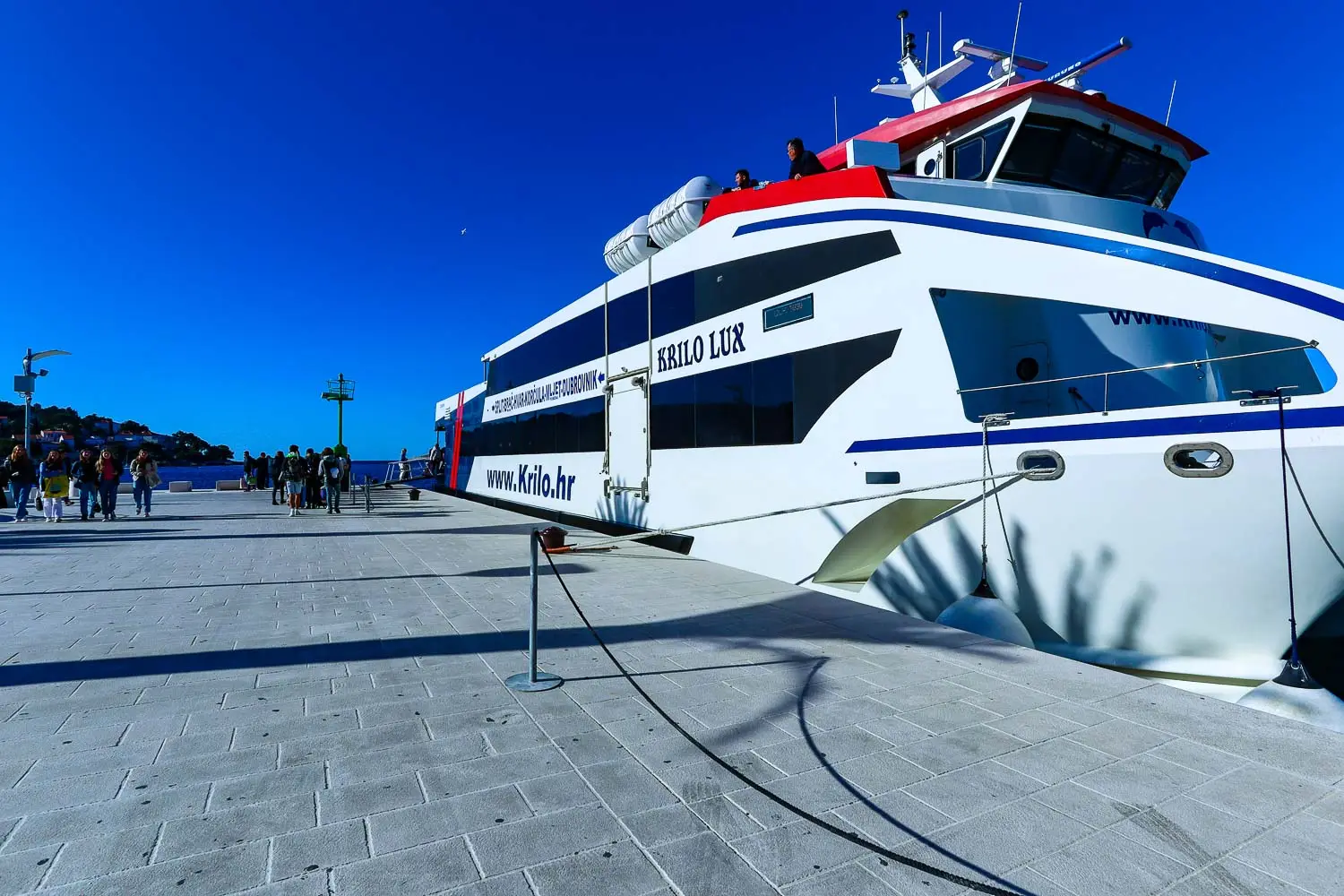
Travel by ferry in Croatia
If you’re planning a trip to Croatia, the most efficient way to travel around is by ferry. This will allow you to hop from one island to another easily. To create the perfect itinerary, consider combining bus routes with ferry rides.
For example, taking the ferry is the ideal choice if you’re travelling from Split to Dubrovnik. This way, you can avoid the hassle of spending a lot of time at the border between Croatia and Bosnia.
During your trip to Dubrovnik, you can also take some time to explore the beautiful Dalmatian islands, such as Hvar Island and Korcula, which offer unique experiences.
You can even take a day trip to Venice from Croatia. You can easily catch a catamaran trip to Venice from Pula, Rovinj or Porec and simultaneously explore two countries.

Rent a car in Croatia
During our trip, we encountered issues with public transport reliability, so we rented a car. We strongly recommend that you do the same. While exploring Istria, we wanted to visit Pula and Rovinj, but the bus connections were not frequent enough.
Taking a taxi was not a viable option due to the high cost, so we booked a car for the next day. The car we rented was in excellent condition, and we had the opportunity to drive through some of the best scenery in Europe.
The experience was more like driving around Lake Garda in Northern Italy than the Amalfi Coast Cliffs while driving to Positano. Driving in Croatia is easy and perfect for making your journey in the country more adventurous.
During our trip, we could explore Pula, Rovinj, and Porec all in one day, which was fantastic. We paid €78 for the car rental, which included all the necessary insurance for peace of mind. This was a bargain, and we recommend checking out Discover Car to find the best price.
The best Croatia 2 weeks backpacking Itinerary
Our Backpacking Itinerary Map
Best destinations to explore backpacking in Croatia
Start your backpacking trip in Zagreb
Zagreb is a great city to start your trip to Croatia. As the country’s capital, it is often overlooked, but we love it and believe it is one of the most underrated destinations in Europe. A
dditionally, Zagreb is quite affordable and is one of the most budget-friendly destinations compared to the coastal towns of Croatia. The locals are friendly, and you can quickly adapt to the lifestyle in a big city like Zagreb.
Zagreb is in a great location, making it easy to reach by flight or by crossing the border from Slovenia. You can land in Ljubljana and travel to Zagreb by bus or train. If you plan to backpack in Croatia during winter, expect cold temperatures in Zagreb; however, in summer, the climate is more moderate and perfect for a few days.
There are many reasons why Zagreb is a perfect destination for your backpacking trip in Croatia and is an unmissable destination. Enjoy the local bakeries, walk up to the hill to enjoy the beautiful landscape, wait for midday when the cannon fires as per tradition, and read our guide on the best things to do in Zagreb before your trip.
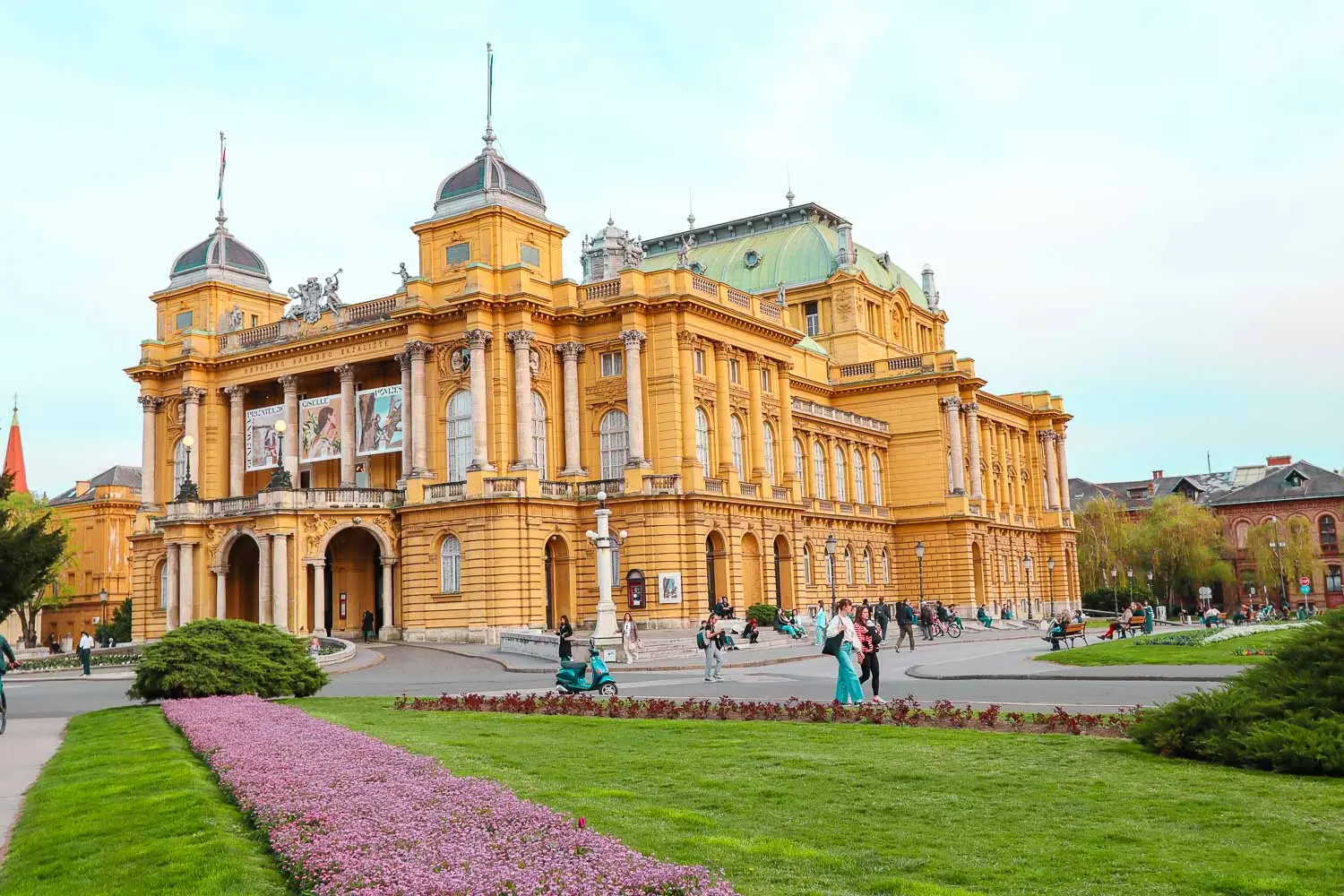
Why you have to go Backpacking in Zagreb
Backpacking is a great way to explore a country and seize the opportunity of a lifetime. Despite our heavy backpacks, our goal was to have a complete view of Croatia, not just visit the main attractions and beaches.
In addition, Zagreb is quite affordable. We paid only 7 KN (£1) for a ticket to the city centre from the airport, which is an expense that backpackers like us try to avoid.
The top places to visit in Zagreb include the Cathedral, the Dolac Market, Jelacic Square (the main square), and Tkalciceva Street.
Zagreb is a vibrant city with a growing expat and digital nomad community. As a result, many hostels attract backpackers to Croatia. We stayed at the Swanky Mint Hostel, which is located just a 5-minute walk from Jelacic Square and has a cheerful atmosphere.
Day trips from Zagreb
- Plitvice Lakes and Rastoke (With skip the line ticket) | Book now!
- Ljubljana and Lake Bled (11 hours tour – All inclusive) | Check availability!
- From Zagreb: Guided tour of Plitvice Lake and Split with Transfer to Split | Bargain to travel through Croatia while exploring. Book before is gone!
Backpacking Plitvice Lakes
Plitvice Lakes is one of the most beautiful places in Croatia. The area boasts breathtaking waterfalls and wooden bridges that create an enchanting atmosphere. It is the perfect place to immerse yourself in nature and should be the second spot to visit on your backpacking trip in Croatia.
Walking through the thick forest, you will be transported to a magical place for about 2 to 3 hours. The National Park is easily accessible from Zagreb, and many tour guides can take you there without any hassle. The entrance fee is 200 KN per person, and there are many trails to choose from, ranging from complex to easy ones.
Where to stay near Plitvice Lakes
Plitvice Pension Perisic, Korenica | he guesthouse is just 7.5 miles away from the entrance of Plitvice National Park. You will be surrounded by nature. The structure offers a local traditional restaurant, outdoor facilities with a barbecue, and a stone fireplace that is free to use.
Enjoy a bit of relaxation away from everything else to reconnect with nature. Book now!

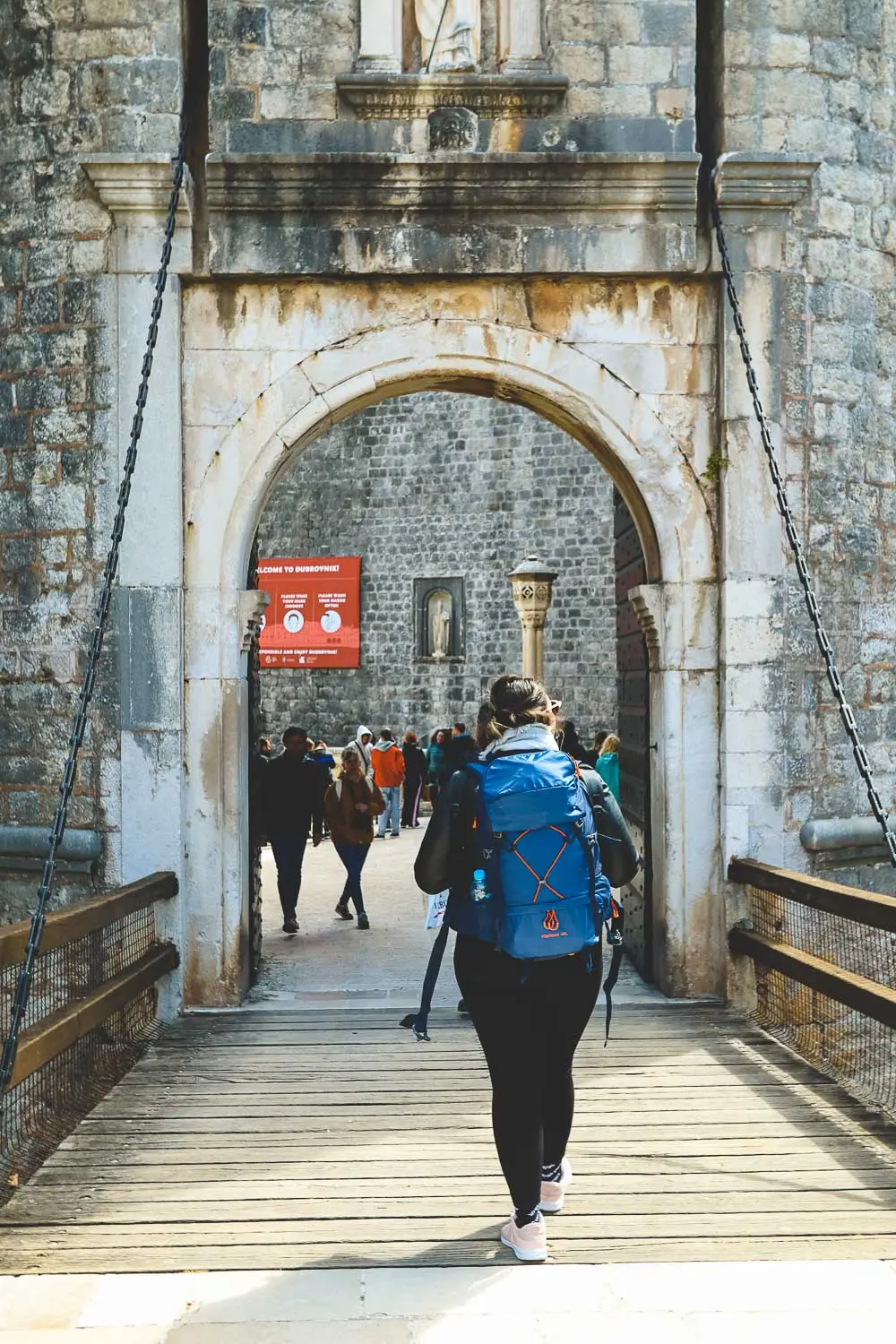
Dubrovnik Backpacking
Dubrovnik is one of the most popular cities in Croatia, known for its beautiful old town that has been featured in many legendary movies. However, it is important to note that the city can be expensive and is mainly visited by day-trippers who explore it off the cruise ships.
If you’re travelling from Zagreb to Dubrovnik, we recommend taking the overnight bus that takes about 9 hours, passing through a short border with Bosnia. Dubrovnik is on a short stretch of land that is not continuous with the rest of Croatia. Alternatively, you can stop at Split and take the ferry to Dubrovnik.
Despite the cost and accessibility, Dubrovnik is a must-visit destination on your Croatia itinerary. Its breathtaking architecture, white palaces, mesmerising sea views, and rich history and legends will surely captivate you.
Dubrovnik is also a perfect off-season getaway that offers exciting day trips. Take a break from the city and visit Cavtat by public transport, spend the afternoon hiking Mount Srd, or go on a guided tour to Mostar or Kotor.
We’ve got you covered if you plan to spend three days in Dubrovnik. We crafted the perfect itinerary to help you maximise your time in the city. Additionally, check out our recommendations for the best Instagrammable spots to find inspiration.
Dubrovnik’s must-see tourist attractions include the City Walls (200 kn), Dubrovnik Cable Car (16- kn), Fort Lovrijenac, and Rector Palace.
Day trips from Dubrovnik
- From Dubrovnik: Montenegro day trip | Book now for €50
- Elaphite Islands – Book here!
- Mostar and Kravica Waterfalls | Reserve your spot now!
Where to stay in Dubrovnik

The studios of Villa Misita offer all the comforts you need while staying in Dubrovnik. Located on the Lapad Peninsula, the accommodation is just about 5 minute walking from the main beach. Every room has a balcony or a good-sized terrace. So enjoy a stay in Dubrovnik without breaking the bank.
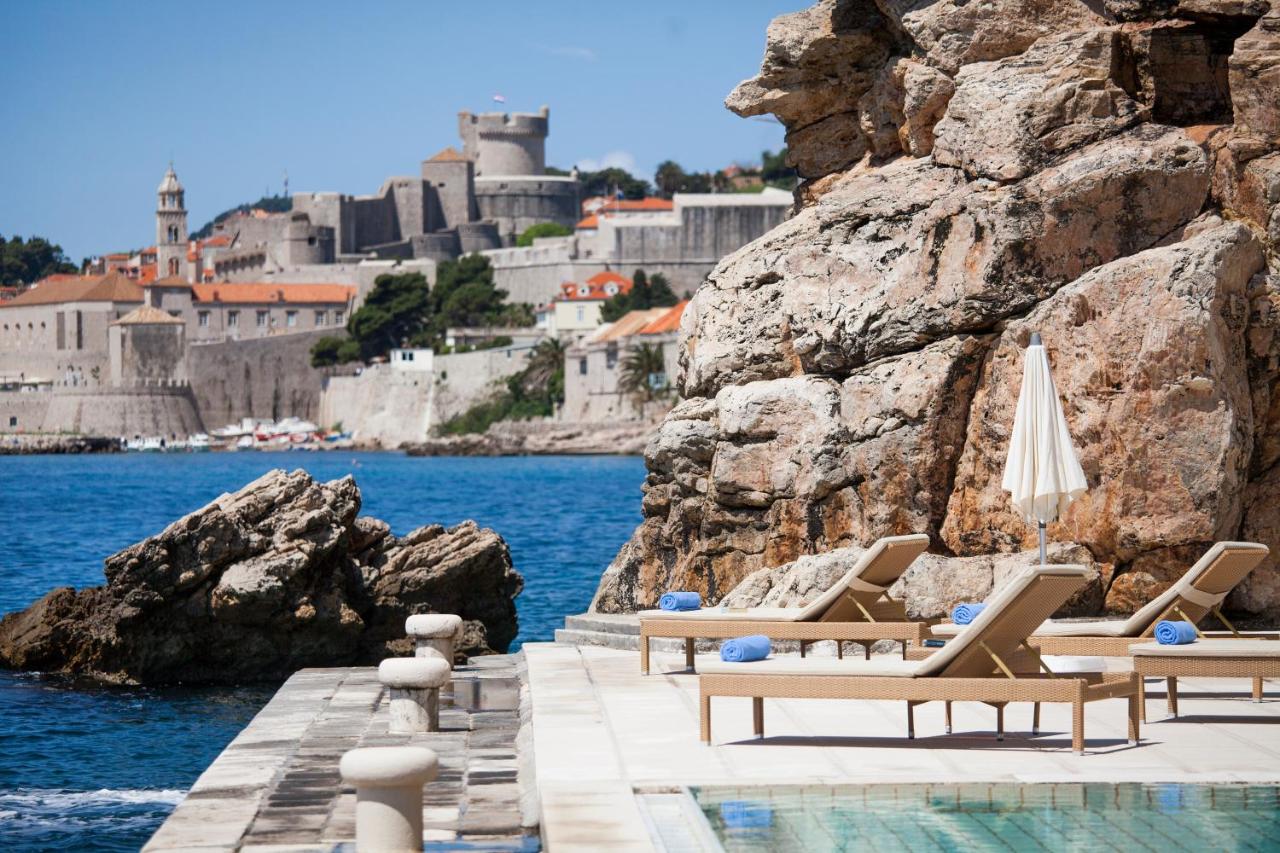
By staying at Villa Argentina in Dubrovnik, Croatia, enjoy an authentic luxurious vacation. The hotel offers a spectacular view of the city walls and the sea and is just a 5-minute walk from the old town. Mediterranean-style gardens with Subtropical plants surround the stylish structure for the ideal time away from it all.
Split | Perfect city for backpackers
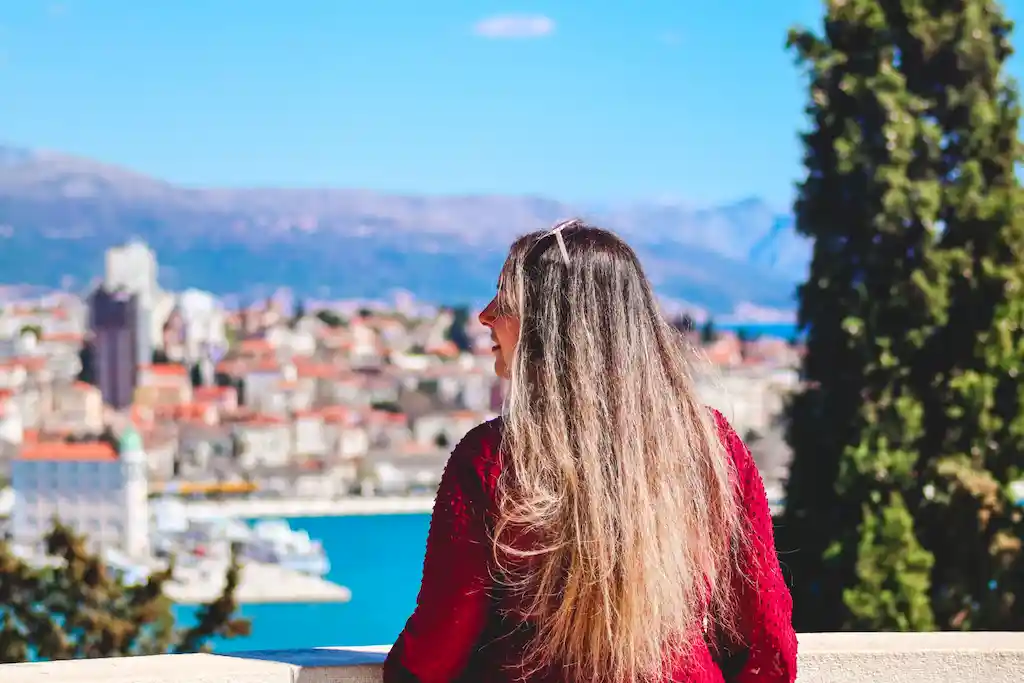
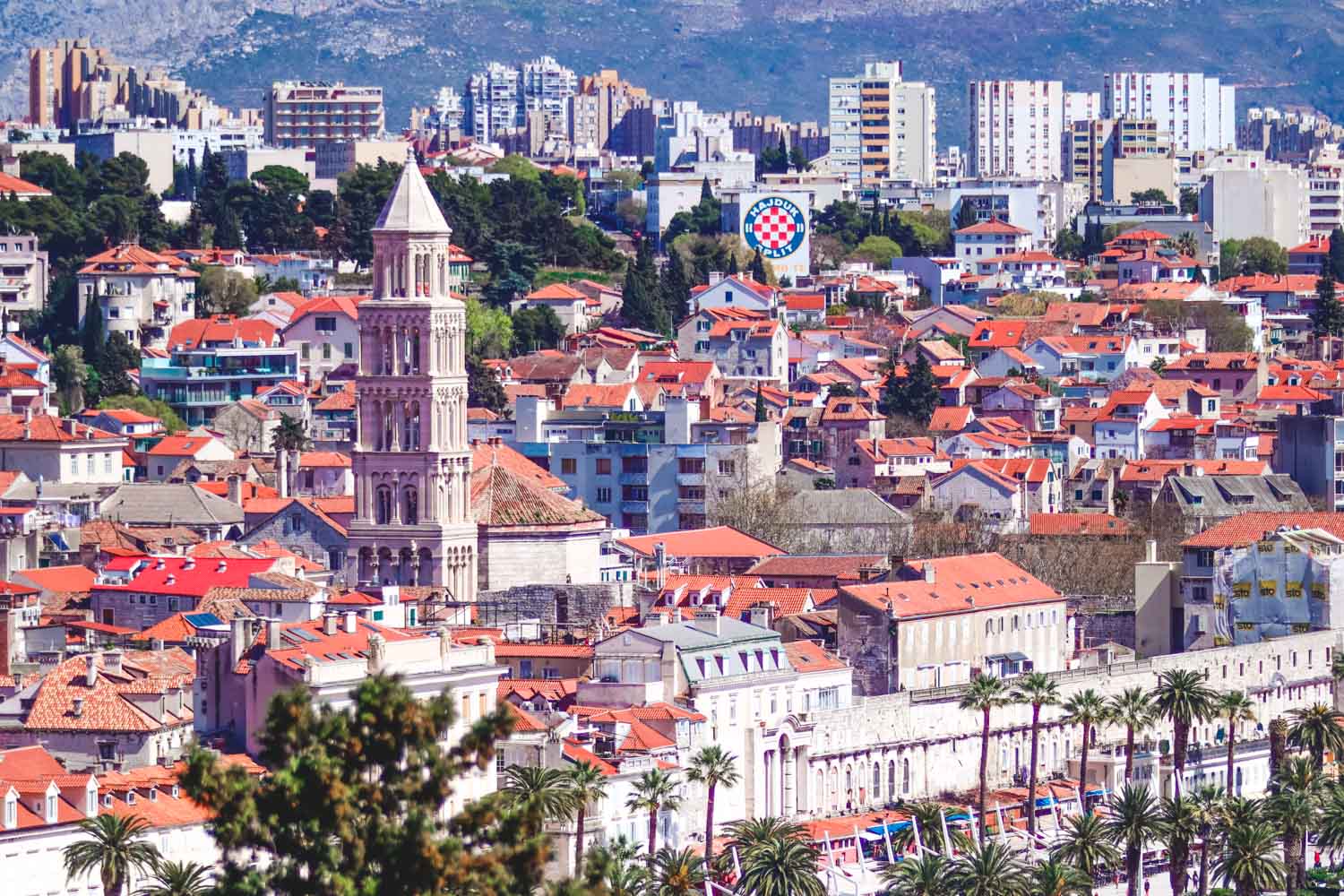
During our travels in Croatia, we enjoyed visiting Split, one of the country’s finest cities. We spent three days in Split and used it as a base to explore the city and the surrounding areas, such as Krka National Park and Hvar Island.
Split is midway between Dubrovnik and Zagreb, making it the perfect spot to take a break from backpacking through Croatia. The Old Town is relatively small and can be easily explored on foot in a few hours. The most popular landmark in Split is Diocletian’s Palace, featured in the popular TV series Game of Thrones.
We highly recommend visiting the palace early in the morning or at sunset to avoid the crowds. The promenade is another must-visit spot in Split, with numerous bars and restaurants to enjoy food and drink while admiring the sea and ferries leaving the harbour.
We found that Split is an excellent base for exploring the surrounding areas, including hidden gems like Sibenik and Trogir, which are both UNESCO World Heritage sites.
Best tours in Split
- Split and Trogir | Private Guided Walking Tour in 1 day
- 5 islands and Blue Cave day trip
- Split Entry ticket to the Cellars of Diocletian’s Palace (Book now only €6,00)
- Half-day Blue Lagoon and nearby islands | Book now for €60
Where to stay in Split
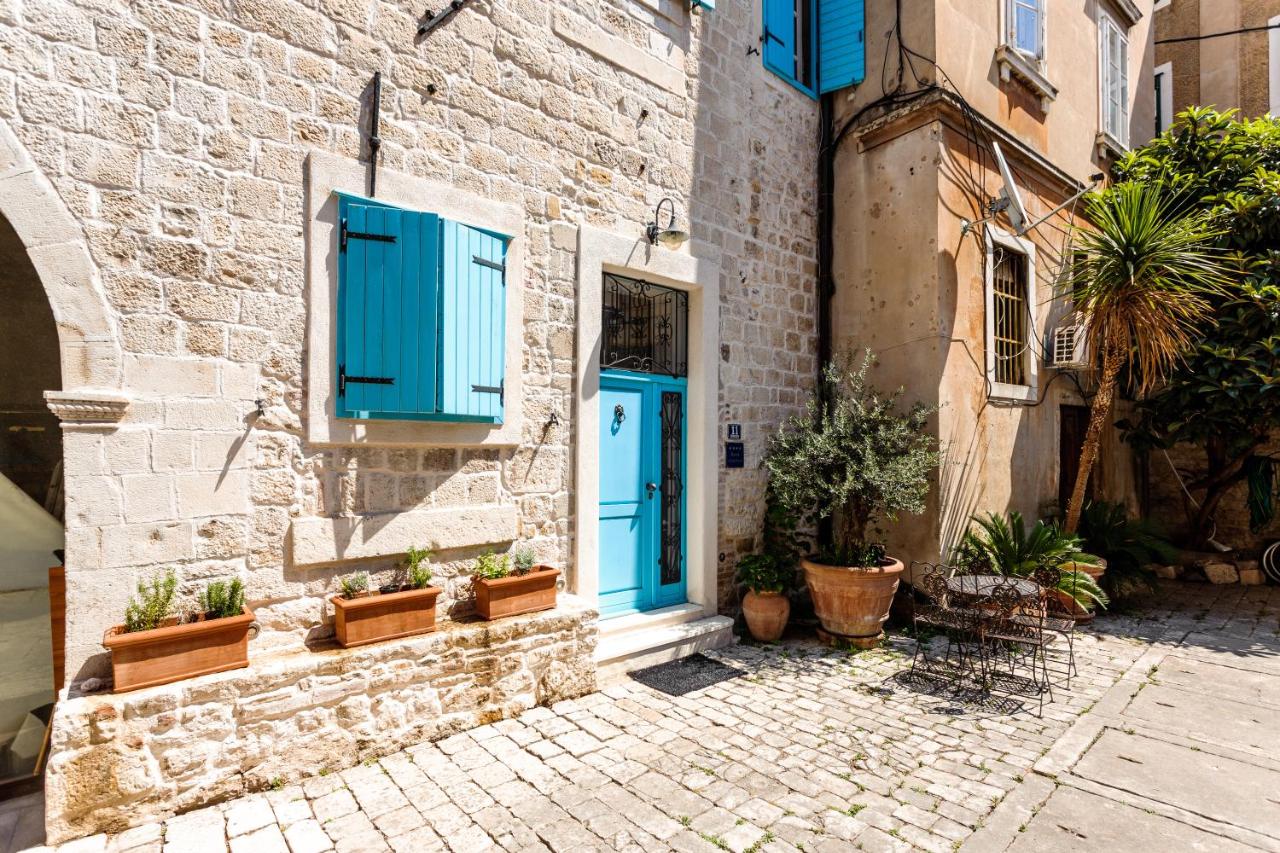
LIVO DISNO 12 | We extended our stay in Split in this gorgeous little apartment. The owner is super friendly and welcoming, the place is just perfect and you will love your stay at Livo Disno!
AMAZING STAY IN SPLIT
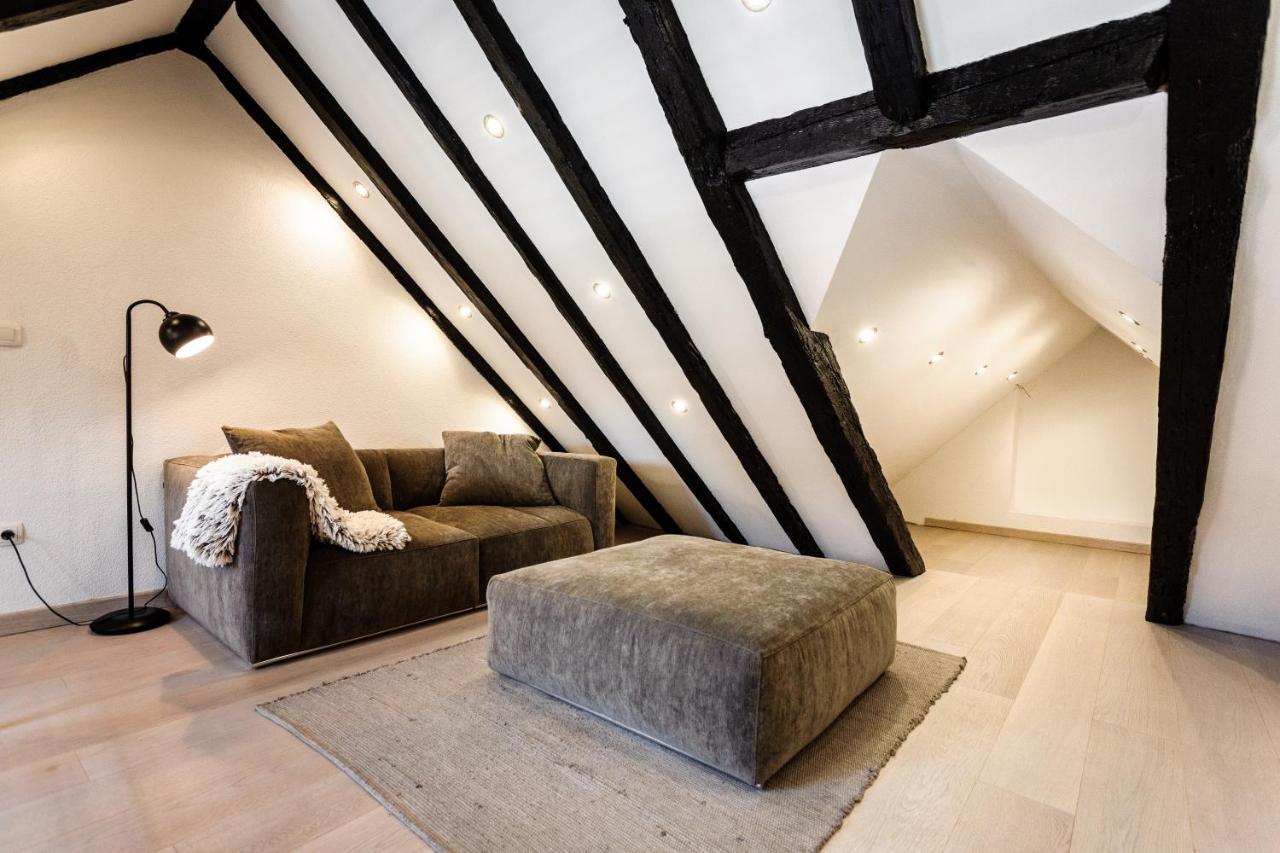
The perfect luxury accommodation is located in the centre of Split, not far from Bacvice Beach. If you’re planning to stay longer in Split, this is the right accommodation for you. You have everything you need, a kitchen, a table to work from and a comfy sofa!

Backpacking in Zadar
Zadar is a small city located on the coast of Croatia, often overlooked by tourists. It is situated on a beautiful peninsula and is the busiest during summer. Despite being overshadowed by other major and more attractive cities, Zadar is worth a visit. If you’re backpacking in Eastern Europe, consider staying in Zadar for a few days.
The city offers a calm and relaxing atmosphere and is the perfect starting point for exploring the Adriatic coast. Even though it’s less touristy, Zadar preserves its charm thanks to the countless historical sites.
Zadar’s location is also attractive, as it’s situated on the coast and midway between Split and Zagreb. This makes it easily accessible by bus and a great place to break up a long journey.
The most exciting attractions in Zadar include the Archeological Museum, the Sea Organ (which is best experienced at sunset), People’s Square, and the Old Town of Zadar.
Where to stay in Zadar
APARTMENT | PERFECT VIEW
MAGIC VIEW APARTMENTS
Amazing stay with a gorgeous view of the city. Don’t miss this opportunity and book your next stay in Zadar!
Day trips from Zadar

Croatia backpacking itinerary – 5 days
Although 5 days in Croatia may not seem like a lot of time, it’s still possible to have an incredible experience in one of the most stunning countries in the Balkans. We recommend flying into Dubrovnik and then travelling up the coast to explore some of Croatia’s best cities and iconic islands.
You could even take the opportunity to visit some of the famous film locations from Game of Thrones. A 5-day itinerary is perfect for making the most of your time and experiencing all Croatia offers.
Travel to: Dubrovnik, Split, Hvar, Krka National Park or Trogir and Sibenik
If you plan a 5-day backpacking trip in Croatia, we suggest starting in Dubrovnik. Lose yourself in the maze of little alleys and steep staircases and go to Mount Srd for lunch. Take the cable car to the top, unwind with a drink and enjoy the view.
At sunset, head to Buza Bar; it’s an iconic location for catching the perfect sunset in Dubrovnik. The next day, book a bus from Dubrovnik to Split. The journey will take around 4 and a half hours and cost around 150 KN.
Split is a beautiful coastal town with plenty of things to do. Check out our guide for some ideas. Fresh seafood on the Riva or a night out in one of the many clubs are just a few options. On the third day, take a direct ferry from Split Harbor to Hvar, a beautiful island just 2 hours away.
You can explore the fabulous old town, stay on the beach, hike to the Spanish Fortress or visit the oldest town in Croatia, Stari Grad, all in one day. For the fourth day, consider a day trip to Trogir and Sibenik, both UNESCO World Heritage sites, or explore Krka National Park.
We’ve done both and can’t decide which to suggest as both are worth it. We recommend doing both and stretching your time a bit in Croatia.

One Week Croatia backpacking itinerary
We have two itinerary suggestions for you if you plan to go backpacking in Croatia for a week. The second itinerary may seem complex, but it’s doable and perfect if you want to visit 8 places in 7 days. To make the most of your trip, we recommend travelling during the night to save on costs and researching the places you want to visit before you leave. You can also check out all our guides about Croatia to help plan your itinerary.
Travel to: Zagreb, Zadar, Split, Hvar, Krka National Park, Trogir, Šibenik and Dubrovnik
If you plan a one-week trip to Croatia, here’s a suggested itinerary. Start your journey in the capital city of Zagreb, where you can explore the fascinating history, bustling places, and tasty food.
The next day, head to the coast and visit the underrated city of Zadar. The journey by bus takes only about 4 hours and splits your journey nicely while heading south.
On the third day, explore the Diocletian Palace, the promenade of Split, and some beaches. Split is highly recommended as it is central and perfect for organising a few day trips.
Find the best accommodation in Split and be ready to explore the surrounding area the following day. The best trips to organise from Split are the waterfalls of Krka National Park, the cute Hvar island, and the UNESCO World Heritage sites of Trogir and Sibenik. These two towns are truly underrated and off-the-beaten-path destinations in Croatia.
Next, explore the extreme south of Croatia. Take the ferry to Hvar from Split, spend the night on the fabulous island, and take another ferry the next day to Dubrovnik. Check out some of the best things to do in Dubrovnik while you’re there.
10 Days Croatia backpacking itinerary
It is a great choice if you plan a trip to Croatia and have 10 days to spare. With over a week at your disposal, you can enjoy the destination at a relaxed pace and unwind at your own leisure. So, if you are looking for the perfect 10-day itinerary for Croatia, you have come to the right place.
During your 10-day trip to Croatia, you can explore many exciting places. Starting from Zagreb or Dubrovnik, you can travel around the entire country. However, it is recommended to begin your journey from Zagreb. You can spend a day exploring the city and then move on to your next destination.
To make the most of your time, it’s advisable to travel at night. Bus services in Croatia are convenient and budget-friendly, making them an ideal option for backpackers.
Suggested Itinerary: Zagreb, Rijeka, Pula, Rovinj, Zadar, Split, Trogir, Sibenik, Hvar, Dubrovnik
If you’re planning a 10-day backpacking trip in Croatia, it’s recommended to start from the north and head south since the distances between the suggested locations are short. This will help you start your trip efficiently and gradually increase the stress of movements.
However, if it suits you better and comes at a lower price for flights and accommodations, you can customise your trip the other way. Usually, backpackers travelling around the Balkan Area arrive in Zagreb by land from Ljubljana and continue their journey south to explore Montenegro, Kosovo, and Albania.
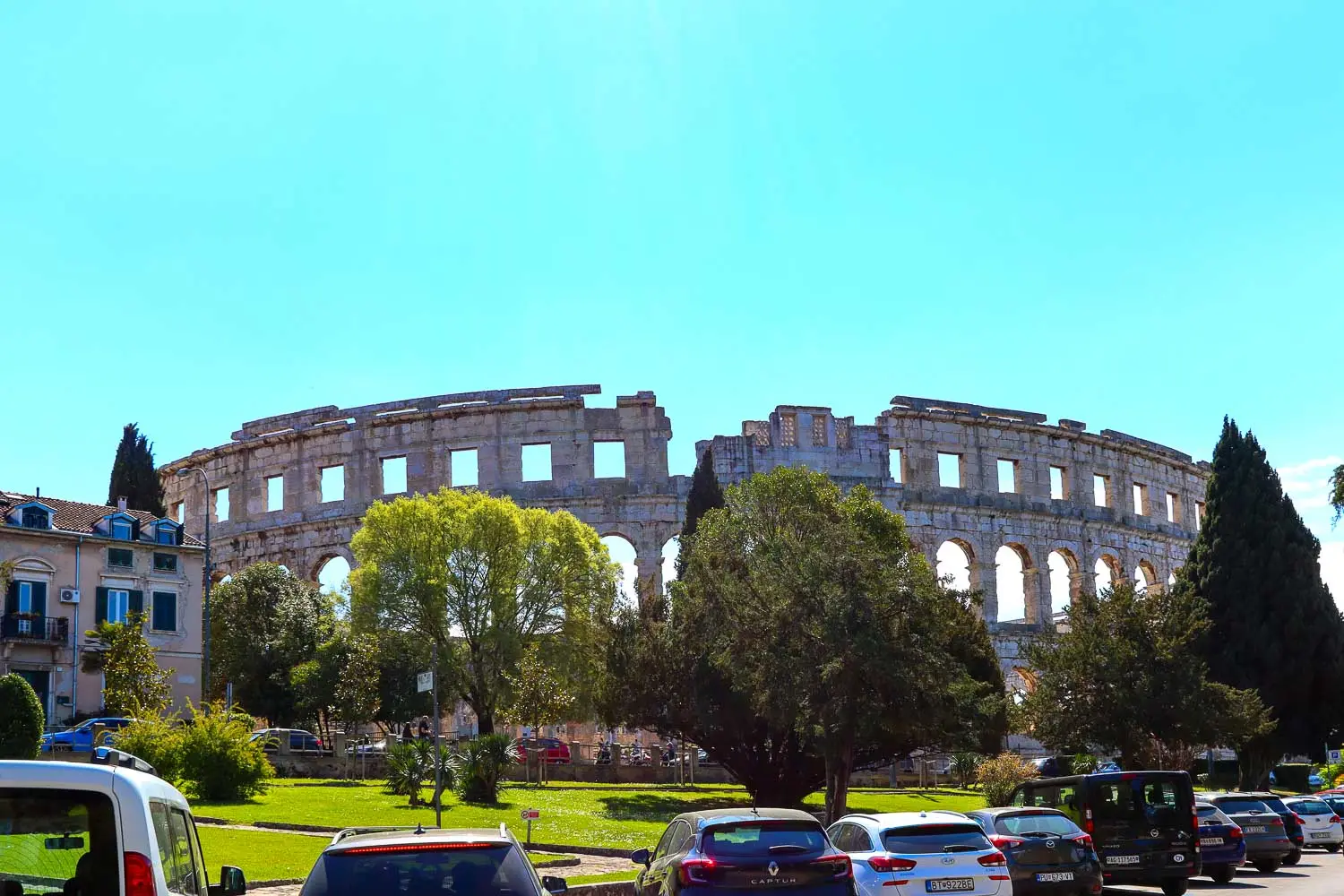
The 10-day itinerary will take you to some of Croatia’s hidden gems like Rijeka (Fiume), Pula, and Rovinj. It’s possible to see all three cities in one day, but it requires stretching the itinerary a lot. Pula and Rovinj are unmissable and essential if you’re exploring Croatia.
Both cities are rich in culture, history, and architecture. However, exploring them on your own using public transport can be difficult. So, you have only two alternatives: renting a car or booking a group tour. The tours often take you to Porec, which is also further north and beautiful.
The rest of the trip is mostly similar to the one-week itinerary in Croatia, so follow the step-by-step guide above. It’s suggested to spend more time in Split than the other cities and base yourself there as it’s cheaper than Dubrovnik.

Croatia backpacking itinerary – 2 weeks
If you have the budget for it, spending two weeks in Croatia can be a wonderful experience. However, budgeting can be challenging, with inland locations being more affordable and coastal areas being more expensive. Dubrovnik is the most expensive city for tourists, but it’s still possible to live on a budget in Zagreb and Split.
For a two-week itinerary in Croatia, we recommend a mix of inland and coastal locations to make the most of your trip. During your 14-day journey, you can visit two national parks, Krka and Plitvice Lakes, and explore four cities: Zagreb, Split, Dubrovnik, and Rijeka. Travelling during the night can be a great way to save money and optimise your movement.
In addition to the usual tourist attractions, you can also explore some hidden gems in Croatia, such as Stari Grad, Korcula, Cavtat, Trogir, Sibenik, Porec, and Skradin.
Suggested Itinerary: Zagreb, Rijeka, Pula, Rovinj, Porec, Zadar, Split, Trogir, Sibenik, Hvar, Stari Grad, Korcula, Dubrovnik, Cavtat
If you’re planning a two-week backpacking trip in Croatia, here’s an itinerary that might interest you. Start your trip by spending a day in Zagreb before taking the bus to Rijeka the next day. Once in Rijeka, go on an Istria tour and visit Pula, Rovinj, and Porec in one day. Take it easy on the third day and relax in Rijeka in preparation for the six-hour journey to Zadar. It’s best to make this night trip to save some money.
When you arrive in Zadar, take in the fresh sea breeze and enjoy the best the city offers. Spend the afternoon watching the sunset on the seaside. It’s time to explore Plitvice Lakes from Zadar or Split on the fifth day.
For three to four days, base yourself in Split and explore the city. Plan a few day trips to Trogir, Sibenik, and Krka National Park. On the ninth day, take the ferry to Hvar Island and explore its cute old town. If you arrive early in the morning, take the local transport and visit Stari Grad, the first city in Croatia.
After lunch, head back to Hvar town and explore the Spanish Fortress. One day in Hvar is enough to get the best out of the town. Then, take the two-hour ferry to Korcula, which is closer to Dubrovnik, your final destination. On day 10, explore Korcula.
If you want to spend more time in Dubrovnik, you can take the ferry early in the morning to the island and sail late in the afternoon. However, we suggest spending more time in Split, Hvar, and Korcula than in Dubrovnik.
Dubrovnik is the last destination of your two-week backpacking trip in Croatia. One to two days are enough to explore the famous old town. If you can afford to stay longer, we recommend a trip to Cavtat, which is reachable by bus and perfect for exploring in two hours. You can also pass the border for a day trip to Mostar in Serbia or Kotor in Montenegro.
Best islands to backpack in Croatia
If you are searching for the best beaches in Croatia, we recommend a few islands renowned for their unspoiled coasts and stunning turquoise blue waters. Hvar and Pag are two of the islands that we suggest, which are also famous for their lively nightlife.
We haven’t personally visited these islands for the clubs, but we can confirm that during the summer months, things can get quite hectic around there.
Pag Island
Pag Island is well-known as a party destination for younger generations. It is a mecca for clubbing and is the cheapest alternative to Ibiza and Mykonos. However, the island also has a beautiful natural side worth discovering, away from the wild music clubs.
To enjoy summer in Croatia, you can sunbathe on the sandy beaches and watch endless sunsets while sipping a drink with other backpackers. One of the most famous beaches on the island is Zrce, which has bars and facilities to make your day the best.
Korcula Island
Korcula Island is a hidden gem that is not yet popular among tourists, but it is expected to gain more attention in the near future. The island is situated midway between Dubrovnik and Split. The best way to enjoy Korcula is to wander through the charming town and explore the villages of Lumbarda and Blato.
Krk Island
Krk Island, a hidden gem in Croatia, is one of the most fabulous islands in the country. Despite being overshadowed by better-known islands, Krk is still pristine and, in some ways, wild. When backpacking in Croatia, take the opportunity to explore Krk Island and spend a few days in its charming villages and stunning beaches.
We always recommend leaving room for adventures like this while backpacking in Europe, as many places are not well-advertised and remain relatively unknown. Island hopping in Croatia can open up a new world of experiences and create unforgettable memories to take back home.
Hvar Island
Hvar is one of our favourite islands in Croatia. This beautiful and unique piece of land is located just a couple of hours’ ferry ride from Split, making it the perfect place to visit while exploring Croatia. We had the pleasure of discovering the island in late spring, as the good season was starting and the island was still waking up from the long winter.
We were told by friends who had lived on the island for quite some time that it was a quaint experience, but the island exceeded our expectations. Get ready to discover unspoiled beaches, experience quiet moments in little towns, and just a few kilometres away, enjoy wild and crazy parties. This is Hvar, one of the best places to visit in Croatia, perfect for backpacking and admiring the Dalmatian islands from the top of the Spanish Fortress.
Vis Island
Vis Island offers a peaceful escape from the busy tourist spots in Croatia. If you prefer a more relaxed backpacking experience, Vis is an ideal destination where you can spend a few days surrounded by pristine natural beauty and friendly locals.
Imagine strolling along cobblestone streets, where locals greet each other, savouring freshly baked bread every morning, or starting your day with a cup of coffee at the bar in the town square, where the barista knows you by name. This dream is attainable in Croatia, and Vis is a great option for budget-conscious travellers.

Best food to try | Backpacking in Croatia
The cuisine in Croatia is a must-try experience for any food lover. The country’s diverse cultural influences have mixed to create a unique and delicious cuisine that is a melting pot of flavours and traditions.
If you are backpacking through Croatia, don’t miss out on trying some of the local delicacies. Here are some of the must-try foods:
- Black Risotto: Also known as crni rizot, this dish is a famous Croatian food usually made with cuttlefish or squid. It’s a popular dish in the Istria region, influenced by Italian cuisine.
- Brodetto: This traditional Istrian dish is a seafood soup from the day’s catch. You can find variations of this dish throughout Dalmatia, Kvarner, and Istria. The dish is rooted in Abruzzo and Marche’s Italian coastal regions.
- Buzara: Although not unique to Croatia, this dish is a must-try. It’s a simple steamed mussel dish that is both affordable and delicious. It’s a typical dish that you’ll find on the tables of locals.
- Fritule: This pastry is a traditional Croatian dessert made from egg, yolk, lemon or orange rinds, rum or local liquor, citrus zest, and sometimes fruit and candied ingredients. It’s similar to the Italian zeppole and is usually served during holiday celebrations.
- Istrian Ham: This ham is a delicacy in Dalmatia and Istria. It’s made from pork, sea salt, several herbs, and pepper. It’s usually paired with Istrian white wine, Malvazija.
- Wine Malvazija: This Istrian white wine pairs well with most Croatian cuisine.
- Peka: This meat and vegetable dish is prepared over blazing coals and covered with a terracotta or iron lid. The dish is called ispod crepnje, meaning “under the bell.” It’s a traditional Croatian dish that can be made with various types of meat, from octopus and veal to chicken and lamb.
- Truffles: While they may not have the same character as their Italian counterparts, black truffles have a robust aroma that is unique to Croatia. They’re also more affordable than similar products in France or Italy. Try them while backpacking through Croatia, and take some back home as a souvenir.

Workation in Croatia
More and more people choose to work remotely from their main cities, leading to a less chaotic lifestyle and more quality time with loved ones. We are excited to say that Croatia is an ideal location for a workation in Europe.
While travelling through Croatia with our backpacks, we had to halt on the road to catch up on work. It was pleasant to fulfil our business duties while enjoying the fabulous view of the turquoise Adriatic Sea. The internet speed is fast, making it easier to work, and every hotel we visited provided a reliable Wi-Fi connection. Even in Dubrovnik, we had access to fast internet while being in the university, just a five-minute walk outside the old town.
It’s also great to know that most major cities in Croatia offer free Wi-Fi hotspots in the main squares. We used our laptops in Dubrovnik and Split, and while taking the night bus from Split to Rijeka, we caught up with work at a bar near the bus station, which was fantastic.
However, the only issue we encountered was avoiding tedious roaming charges. The best option is to have an EU sim card, but you can also rely on an affordable e-sim that provides internet access when you arrive in a new country. Check out some options for E-sim in Europe.
Which backpack is the best for a trip to Croatia?
During our two-week trip to Croatia as a couple, we carried backpacks of 30 and 40 litres. We only did one wash in Split in the middle of our trip, thanks to the availability of automatic laundry facilities throughout the country.
These laundrettes are very affordable, making Croatia easier for every backpacker, even first-timers.
We always recommend to get a backpack that is lightweight, and comfortable backpack is essential if you plan to backpack in Croatia. While the journeys can be long, you won’t have to carry your bag for extended periods. However, if you opt for cheap accommodation in Dubrovnik on top of the stairs, you may have to carry your bag for a while.
It’s best to avoid carry-on bags as the streets in Croatia are not conducive to wheels. Always pack an extra bag, leave your main backpack at your accommodation, and take the smaller bag with you on excursions.
What to pack for a Croatia Backpacking Trip
When it comes to travelling, it’s best to pack light and prepare minimal clothes. This way, you can always buy what you need on the spot. You can easily find popular brands everywhere, such as Zara and H&M, so if you are unsure whether to take a piece of clothing, it’s better to leave it and buy it in Croatia.
These souvenirs are a great way to remember your adventures in the country.
As summertime temperatures can get pretty high in Croatia, wearing loose and comfortable clothing is advisable. It’s also important to always carry a scarf with you to protect your shoulders from the sun.
Trust us, you wouldn’t want to stroll outside in the sun with temperatures hitting 40 degrees. Additionally, be sure to pack plenty of sunscreen and a hat, as you don’t want to get sunburned like Alessia did.
Festivals and events in Croatia
Croatia is an excellent destination for you if you love music and having a good time. In this guide, we will show you the best festivals that you can attend in Croatia:
- Croatian World Games in Pag (July) | It is an annual event in Pag Town that features a variety of sports, such as basketball, football, volleyball, and more. If you are a sports enthusiast, this is an event you should attend since it brings together some of the top athletes in the world.
- Ultra Europe in Split (July) is a festival that attracts an estimated 150,000 people who come to Split to enjoy the best of the summer in Croatia and dance to the performances of some of the most well-known DJs in the world. Be sure to check the program before you go.
- Love Week Festival on Pag Island, in Novalija, is an outdoor festival that lasts a week. It is one of the coolest festivals in Europe, where you can camp, make friends, dance, and enjoy freedom.
- The International Film Festival in Zadar (July) is held in the centre of Croatia. The festival showcases a wide variety of films worldwide, focusing on independent and experimental films that offer something for everyone.
- Summer Festival in Pula (July) is one of Croatia’s most popular summer festivals. It offers a variety of musical acts, as well as theatre, dance, and visual arts presentations. Typically, events like this are held in arenas throughout the city.
- MoDem Festival in Plitvice Lake (July) takes place in Plitvice Lake and features electronic music. This yearly festival is perfect for those who love dancing since it lasts all night.
- Makarska Jazz Festival in Makarska Riviera (July) is a festival that takes place annually in Makarska. It features a variety of jazz acts and brings together some of the top musicians in the world. If you are a fan of jazz music, this is an event you should not miss.
