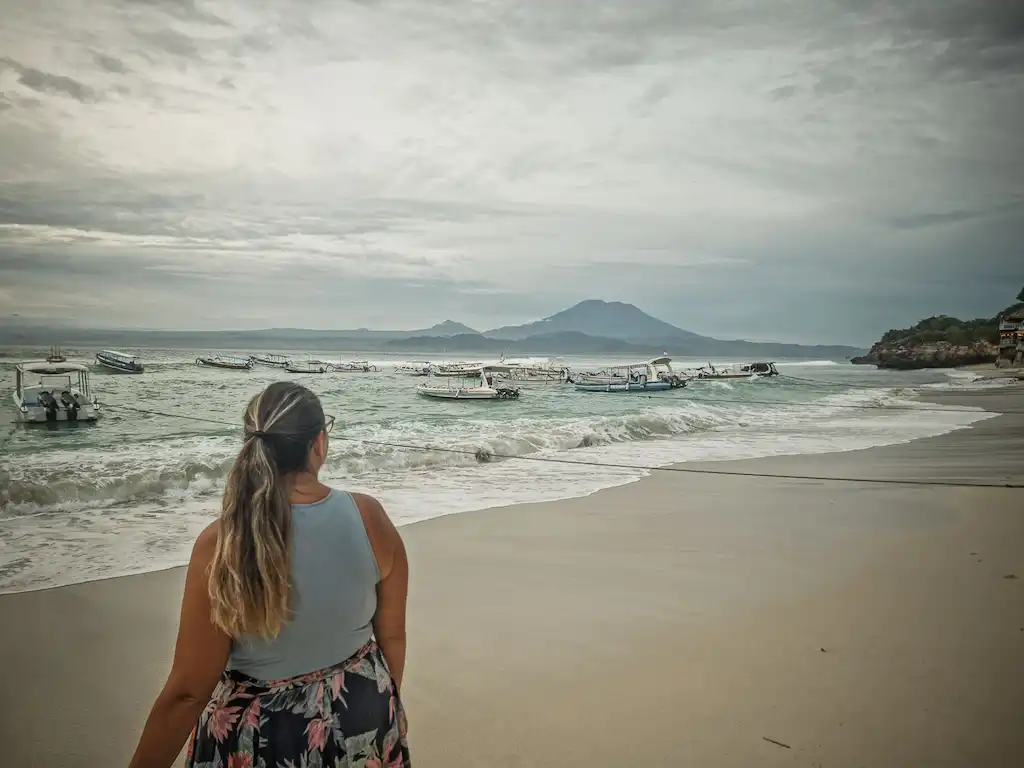
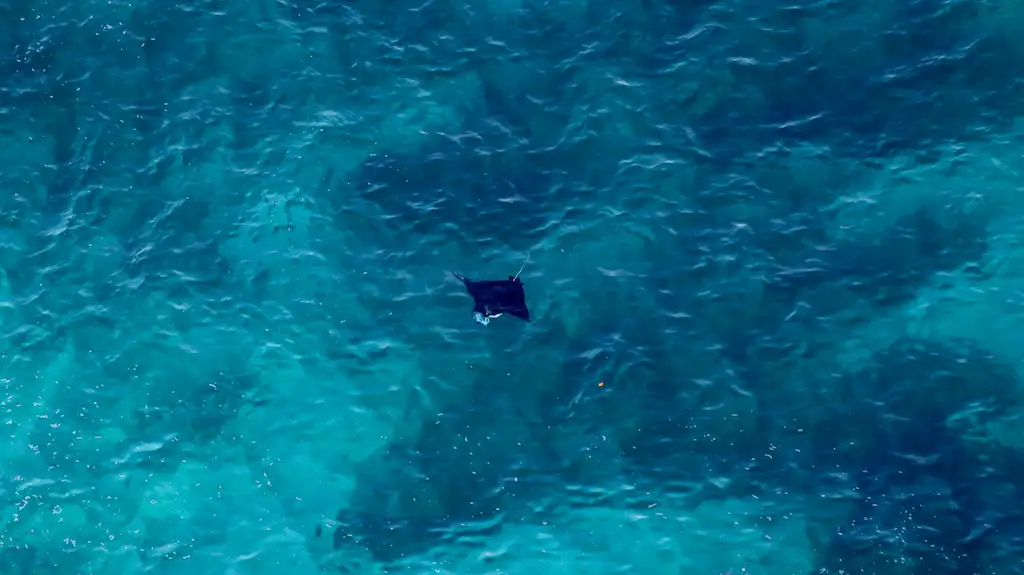
The Ultimate 10-Day Bali Itinerary: 3 Tried and Tested Routes

Stop following generic lists. After months of exploring the “Island of the Gods,” We’ve built three distinct 10-day Bali itineraries that help you avoid the traffic and find the magic, whether you want raw adventure or total zen.
Planning a 10-day trip to the Island of the Gods can feel like a full-time job. With traffic patterns shifting and some areas becoming “too” popular, it’s no longer the paradise it used to be. Believe us, in the past four years, Bali has changed so much that we are always looking for a slice of heaven to run to to avoid the chaos of the central areas. In fact, the question we are asked most is: Is Bali still worth visiting?
The short answer is yes—but only if you have the right plan.
We’ve spent all in all four months traversing this island, from the volcanic black sands of the north to the limestone cliffs of the south. Yep, drove a lot around!
While the central area is getting busier and pricer (accommodation costs are skyrocketing in 2026), some places are still budget-friendly and worth it.
In this guide, we’re moving away from the “generic” route. Instead, we’ve designed three distinct 10-day Bali itineraries that can suit what you want to see on the island:
- The Classic First-Timer: A mix of Ubud’s culture and Canggu’s surf.
- The Adventure Seeker: Diving deep into the wild landscapes of Nusa Penida and the waterfalls of Munduk.
- The Slow Traveller: Focusing on hidden gems and the laid-back vibes of Nusa Lembongan.
Before we dive into the day-by-day breakdown, let’s tackle the essentials: is Bali safe? What about the tap water? And do you really need travel insurance? (Hint: Yes.)

This post includes affiliate links. We may earn a small commission at no cost to you. You can also buy us a coffee to support the site directly. Learn more in our Cookie Policy.

👋Toti & Ale here
London couple, 45+ countries, 300+ guides. We are full-time content creators, travelling as slowmads, spending quality time in places we love the most. We run this and several other blogs from the best places in the world. This guide is built entirely from our first-hand experiences across Bali’s diverse landscapes. We’ve explored the island’s corners dozens of times, from its iconic coastlines to remote mountain villages that few travellers ever reach.
April 26, 2026 This update captures the “new” Bali, documenting the latest boutique openings, changing road conditions in Nusa Penida, and the movement toward slow, sustainable travel in the north. No AI-generated fluff; every mile of this guide has been personally road-tested.

Three Bali itineraries to chose from
| Feature | Classic Route | Adventure Seeker | Slow Travellers |
|---|---|---|---|
| Vibe | Highlights & Icons | Raw & Rugged | Zen & Coastal Chill |
| Best For | First-timers & Socialites | Photographers & Hikers | Couples & Relaxation |
| Key Areas | Ubud, Canggu, Nusa Penida | Munduk, Sidemen, Penida | Sanur, Lembongan, Uluwatu |
| Daily Pace | High (Lots to see!) | Intense (Early starts) | Mellow (Late breakfasts) |
| Transport | Mostly private drivers | Scooter & Trekking | Ferries & Walking |
The Classic first-timers itinerary
- Day 1 to 3 | Ubud
- Day 4 to 6 | Nusa Penida, Lembongan and Ceningan
- Day 7 to 8 | Munduk
- Day 9 to 10 | Canggu or Uluwatu
Days 1–3: The Cultural Heart of Ubud

Most 10-day Bali itineraries start in Ubud, but the town has changed significantly in recent years. You might be wondering, is Ubud still worth visiting?
If you stay in the town centre, it’s a chaotic mix of traffic and tourists. But if you use Ubud as a base to explore the surrounding rice terraces and hidden water temples, it remains the soul of the island.
Where to Stay & Getting Around
To avoid the worst of the congestion, I recommend staying on the outskirts of town amidst the rice paddies.
For transport, while many brave the streets on two wheels, we’ve detailed exactly what you need to know about safety and licenses in our Bali scooter rental guide (the rules apply across the island!).

The Highlights:
- The Sacred Monkey Forest: A classic, but go early to beat the heat.
- Tegalalang Rice Terraces: For that iconic photo, though I recommend the Bali Instagram Spots guide for tips on visiting without the crowds.
- A Taste of the North: On Day 3, take a day trip North. You can stop at the Bali Twin Lakes Viewpoint for incredible views over Buyan and Tamblingan, or trek to the hidden Gembleng Waterfall, which features a natural infinity pool that most tourists miss entirely.
Pro Tip: If you’re following my “Adventure Seeker” path, this is the best time to check the Munduk guide to see if you’d rather spend two nights in the mountains instead of returning to Ubud.
Days 4–6: The Wild Nusa Islands
After the lush jungles of Ubud, it’s time to head to the coast. We suggest including the Nusa Penida islands. So far, the places we enjoyed the beaches the most in Bali. The Nusa Islands offer a rugged, dramatic contrast to mainland Bali. For deeper information, check our guide Nusa Penida vs. Nusa Lembongan—which one should you choose?
If you have three days, you don’t have to choose—you can experience both.
Logistics: Getting There
First things first, you’ll need to catch a boat from Sanur. I’ve broken down the schedules, prices, and the best operators in my guide on the Bali to Nusa Lembongan ferry.
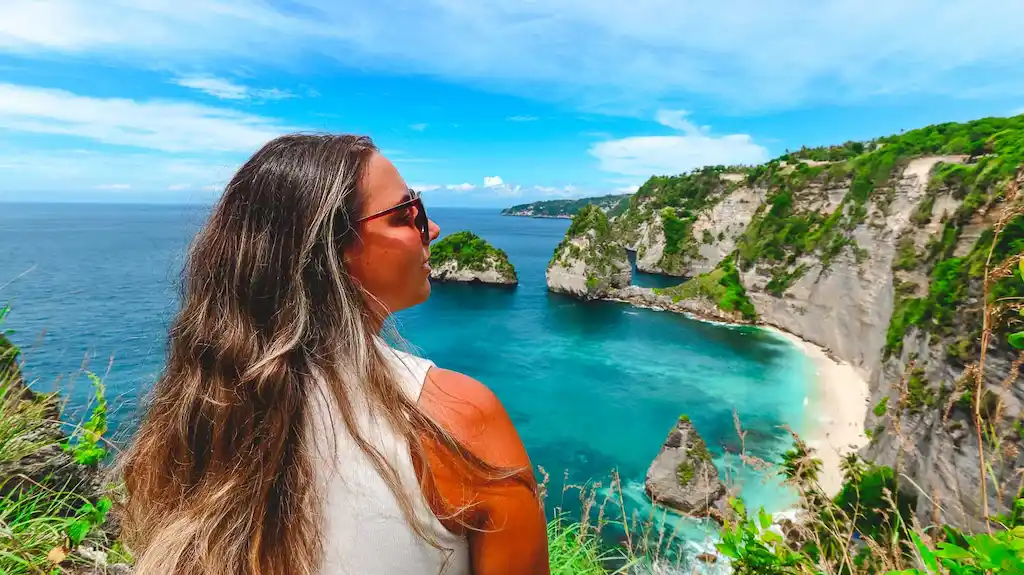
Option A: The Adventurous Route (Nusa Penida)
If you want to catch unique photos and go on an insane adventure through the jungle and high cliffs, go to Nusa Penida. We’ve had such incredible sunsets. Every morning, waking up early to run to an Instagrammable spot before it gets crowded with day trippers. Unfortunately, the island is well known for having the worst roads in the world. You need a good skill set to drive it by yourself.
- How long do you need? While many people take a day trip to Nusa Penida from Bali, I highly recommend staying at least 2 nights. Check out my guide on how long to stay in Nusa Penida to see why.
- The “Must-Sees”: You can’t miss Kelingking Beach or the sunrise at Diamond Beach. For the complete list of photo ops, see the Nusa Penida Instagram Spots.
- Off the Beaten Track: Escape the crowds at Tembeling Beach and Forest or enjoy a quiet sunset in Nusa Penida away from the tour buses.
- Plan your route: Follow my 3-day Nusa Penida itinerary and make sure you read my tips on renting a scooter on the island before you try to drive yourself!
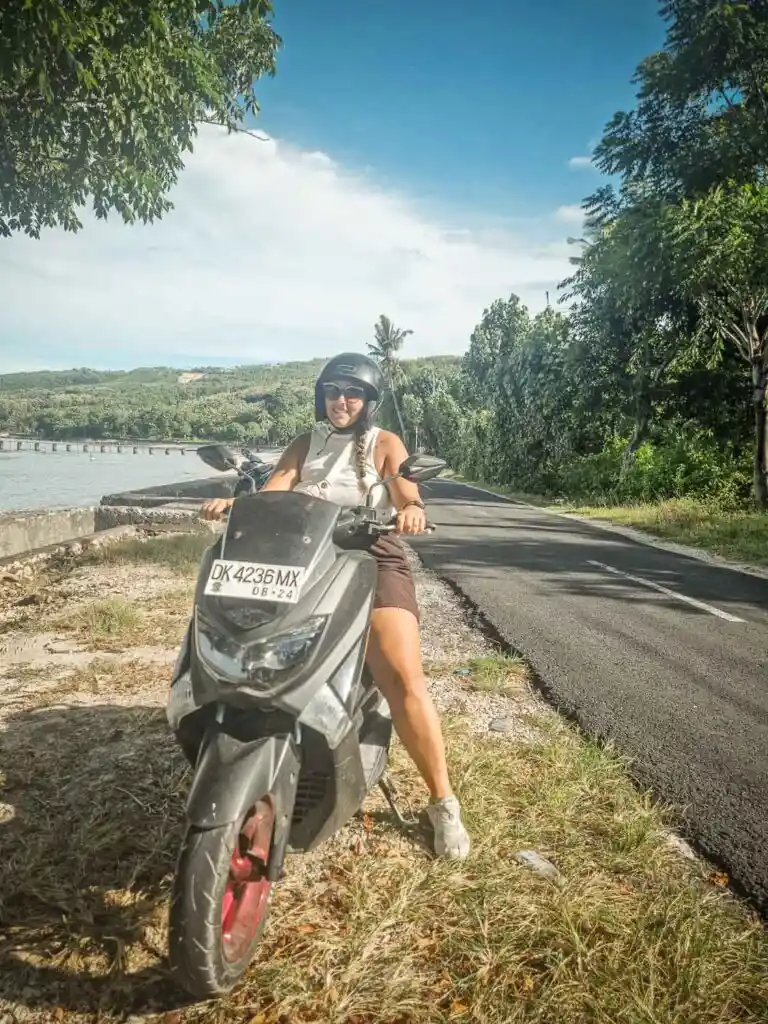
Option B: The Chiller Route (Nusa Lembongan & Ceningan)
If Penida sounds too hectic, is Nusa Lembongan worth visiting? Absolutely. It’s smaller, more walkable, and far more relaxed.
- Top Activities: From snorkelling with Mantas to exploring the best beaches on Lembongan and Ceningan, there are plenty of things to do in Nusa Lembongan.
- Essential Tips: Read our Nusa Lembongan travel tips on ATMs and transport before you arrive.

Days 7–8: The Lush North (Munduk)
The North of Bali is totally different to the rest. We felt the difference driving North (been there twice): The air is crisp, the landscape changes, more greenery, winding roads and the morning mist hangs lower over the twin lakes.
Munduk is the kind of place we like. Somehow, that morning at Breakfast in our resort compound, we felt like when we were sipping locally sourced coffee in Sapa. The mountains (ehm, volcanoes) feel like entering a different country. We spent our mornings trekking through clove and cocoa plantations to find hidden jungle pools. Is Munduk worth visiting? If you value silence and scenery over beach clubs, then yes, it’s unmissable.
What we loved doing:
- Chasing Waterfalls: There are so many things to do in Munduk, but the waterfall trek is the highlight. It’s not a manicured path; you’ll be climbing over roots and getting sprayed by massive falls like Melanting.
- The Infinity Pool Secret: We found Gembleng Waterfall on our way through the region. It has these tiny natural rock pools at the very top where you can sit and look out over the entire valley. It’s one of those “pinch-me” moments that hasn’t been ruined by massive crowds yet.
- The Viewpoints: Don’t just drive past the Twin Lakes viewpoint. Stop, grab a coffee from a local roadside stall, and watch the clouds roll over the water. It’s the best way to see the “wild” side of the island.
Stay at Munduk Plantation Resort, reserve your private villa, and make the most of the infinity pool and Jacuzzi. CHECK ALL OF MUNDUK’S FEATURES. The Resort is not only the most gorgeous place we’ve been in Bali, but it’s also the most convenient.
They provide free trips and activities as part of the nightly package. So, you can visit North Bali, heading to Lovina Beaches, waterfalls and Banjar Hot Springs with the hotel tour guide.

Days 9–10: The Coastal Finale (Canggu or Uluwatu)
To wrap up the 10 days, you have to make a choice. Bali’s south coast is famous for its sunsets and beach clubs, but the traffic here is legendary (and not in a good way). We usually spend our last few days either in the surf-centric streets of Canggu or a bit further from the centre, scooting around.
Option 1: The Canggu Chaos
If you want to be in the heart of the action, Canggu is the spot. It’s where you’ll find us often, in a cafe, or on the beach with a coconut, watching the sunset. If it’s your first time in Bali, Canggu is worth staying in. This place has high energy, we’ve always great parties, with an active social scene, you’ll love it. We spent our weekend at La Brisa market, or watching the sunset from the rocks. There are endless things to do in Canggu; make sure you’re prepared for the crowds.
Option 2: The Uluwatu Escape
If Canggu feels a bit too “busy,” head further south to the Bukit Peninsula. Uluwatu feels much more expansive. The cliffs are massive, the water is a deeper blue (you can actually swim here), and the sunsets are—in our opinion—the best on the island.
It’s the perfect place to reflect on the trip. You can spend a day hopping between secret beaches or watching the Kecak Fire Dance at the temple. It’s a bit more spread out, so it doesn’t feel quite as claustrophobic as the central hubs.


Alternative Path A: The Adventure Seeker (Waterfalls & Wild Cliffs)
If the crowded cafes of Canggu don’t appeal to you, this is the route we recommend for a more raw experience. It swaps the beach clubs for northern highlands and rugged island life.
- Days 1-3: Munduk & The Highlands. Instead of basing yourself in Ubud town, head straight to the mountains. This is where we found the best “real” Bali vibes. You’ll spend your days trekking to Gembleng Waterfall and exploring the Twin Lakes. It’s colder, quieter, and infinitely more beautiful.
- Days 4-7: The Deep Dive into Nusa Penida. Most people do a day trip, but we found that staying 3 nights is the only way to beat the crowds. You can wake up at 5:00 AM to have Diamond Beach all to yourself before the ferry from Sanur arrives. If you’re brave enough to tackle the roads, renting a scooter here is the ultimate adventure.
- Days 8-10: Sidemen. Finish in the rice valleys of Sidemen. It’s what Ubud used to be 20 years ago—untouched and quiet.
Alternative Path B: The Slow Traveler (Islands & Relaxation)
If your goal for these 10 days is actually to come home feeling rested, skip the long drives on the mainland and head straight for the smaller islands.
- Days 1-2: Sanur. Use this as a soft landing. It’s a bit “older” Bali, but the boardwalk is excellent, and it makes catching the ferry to the islands the next morning effortless.
- Days 3-7: Nusa Lembongan & Ceningan. We fell in love with the pace here. You can cross the yellow bridge on a scooter in minutes and spend your days at the best beaches on Ceningan. Is Nusa Lembongan worth visiting? For slow travel, it’s actually better than the mainland.
- Days 8-10: Uluwatu. End your trip on the cliffs. It’s high-end, the food is incredible, and you can spend your final 48 hours just watching the surfers at Blue Point.
Which one should you choose?
Honestly, we’ve tried all three. If it’s your first time, the Classic Path hits the big icons. But if you’ve seen the photos of the traffic in the south and want no part of it, the Adventure Seeker route to Munduk and Penida is where our best memories were made.
Just remember, no matter which path you take, keep an eye on the basics. We constantly check if Bali is safe for specific activities and never travel without insurance.

Planning your Bali itinerary: Budget & Practicalities
After 10 days of roaming the island, we’ve realised that the “perfect” Bali trip usually comes down to the small details you didn’t think to plan for.

How much does 10 days in Bali actually cost?
You’ve probably heard people say why Bali is so cheap, and while you can certainly live on $30 a day eating at local warungs, Bali has a way of tempting you to spend more (Bali’s prices are skyrocketing!).
A decent hotel with breakfast and a private room will cost you around $45/£35, so your total budget for the day should be $80/£65. Food is very inexpensive in Bali if you stick to local cuisine. We were able to spend about £3 per meal each at a local warung.
Between the fancy brunch spots in Canggu and the private drivers needed for the Munduk waterfalls, we found that a mid-range budget is the sweet spot. You get the beautiful boutique stays without the billionaire price tag.
With all of this in mind, a very fulfilling 10-day itinerary in Bali will cost around £100 per person, including activities, food, and an average hotel stay.
Just a heads up on the money situation: ATMs can be finicky. We always recommend carrying a mix of IDR and USD (or your home currency) just in case a machine decides to eat your card in the middle of Nusa Penida.

Staying Healthy and Safe
The most common question we get is: Is Bali safe? Generally, yes, but your biggest “enemies” will be the local tap water and the chaotic traffic.
- The Water: We never drink the tap water in Bali, not even for brushing our teeth if we can help it. “Bali Belly” is a quick way to ruin a 10-day itinerary.
- The Roads: As we mentioned with the Nusa Penida roads, the driving culture here is intense. If you aren’t 100% confident on a scooter, hire a private driver for the day. It’s affordable and much less stressful.
- Insurance: Don’t skip it. We’ve seen too many people with “scooter kisses” (scrapes) wishing they had proper travel insurance before they arrived. We use HeyMondo for up to 60 days abroad, and Safetywing when we are travelling slow.
For the “Best Time to Visit” section, aim to provide a quick, authoritative answer that addresses the specific road conditions and outdoor activities mentioned in your itineraries.
This section works best right after your comparison table, as it helps the reader decide when to book the specific path they just chose.
When is the Best Time to Visit Bali?
Bali essentially has two seasons, and your itinerary might depend on which one you’re travelling in.
- The Dry Season (April to October): This is, without a doubt, the best time to visit if you’re following the Adventure Seeker or Classic paths. The skies are blue, and more importantly, the roads in Nusa Penida and the trekking paths in Munduk are dry and safe. This is also the peak time for surfing on the West Coast.
- The Wet Season (November to March): Expect lush, vibrant green landscapes, but be prepared for heavy tropical downpours. If you’re a Slow Traveler focusing on cafe culture in Canggu or yoga in Ubud, this season is cosy and much cheaper. However, we’d suggest skipping the more rugged cliffs of Nusa Penida during this time, as the limestone paths can get incredibly slippery.
Our Favourite Months: We personally love May and September. You get the perfect dry-season weather without the absolute peak crowds of July and August.
What to Pack for 10 Days in Bali
Packing for Bali is a balancing act. You need to be prepared for humid coastal heat, sacred temple dress codes, and the surprisingly chilly nights in the northern mountains. After several trips, these are the essentials we never leave behind:
- Respectful Temple Wear: You’ll need a sarong and a sash to enter any temple. While you can often rent them at the entrance, we prefer carrying our own lightweight sarong—it doubles as a beach towel!
- The “Adventure” Kit: If you’re following our Adventure Seeker path, bring a sturdy pair of hiking sandals or trainers with good grip. The limestone paths at Kelingking Beach are no joke, and flip-flops are a recipe for a twisted ankle.
- Mountain Layers: If heading to Munduk or Sidemen, bring a light hoodie or a windbreaker. Once the sun goes down in the highlands, the temperature drops significantly.
- Health Essentials: Pack a small “Bali Belly” kit with electrolytes and charcoal tablets. We also never travel without a reusable water bottle (to fill up at filtered stations) and a high-SPF, reef-safe sunscreen.
- Rain Gear: Even in the dry season, a lightweight, packable poncho is a lifesaver for those sudden 10-minute tropical downpours, especially if you’re renting a scooter.
Pro Tip: Don’t overpack! Bali has incredible local boutiques, and laundry services are everywhere and very affordable. Leave half your suitcase empty for the treasures you’ll find in Ubud’s markets.