Ultimate Morocco Atlantic Coast Itinerary: Surf, Culture & Hidden Gems

Forget the crowded Mediterranean. We road-tripped the Atlantic coast from Agadir to Essaouira, stopping in surf towns like Tamraght and Imsouane. Here’s our 10-day itinerary: where to surf, where to eat fresh fish, and why you should take the “Souk to Surf” shuttle.
We travelled all around Morocco, but the Atlantic Coast is still one of our favourite parts of the country. Although the desert, medinas, souks, and blue villages in the north have charm, the Atlantic Coast is a dream.
It’s about cracked roads, biting winds, local vibes, and a dash of gripping unpredictability. Our Morocco Atlantic Coast itinerary will take you to the resort city of Agadir, then continue to Rabat, the capital of the country. In between are unique surf villages with digital nomads vibes and slow life, like Tagazout and Tamraght.
We spent some time in Essaouira, with the wish to return one day and stay longer. This is the itinerary of Morocco Atlantic Coast you didn’t get from glossy guides—raw, unfiltered, and based entirely on what we lived, struggled with, and loved.

👋Toti & Ale here
London couple, 45+ countries, 300+ guides. We are full-time content creators, travelling as slowmads, spending quality time in places we love the most. We run this and several other blogs from the best places in the world. This guide is all about chasing the Atlantic breeze. We hopped from the resort vibes of Agadir to the laid-back surf culture of Tamraght and the windy ramparts of Essaouira. We tested the “Souk to Surf” van (comfortable and cheap!) and found the best sunset spots along the N1 coastal road.
January 20, 2026 update reflects the new bus schedules for 2026, the best surf season (winter is big waves!), and updated prices for surfboard rentals in Taghazout. Non Less the recommendation to stop in Imsouane for the longest wave in Africa. No AI; Morocco done from South to North, return and slow trips all around central regions. All coastlines explored.
Why Choose Morocco’s Atlantic Coast?
The Atlantic coast of Morocco is completely different from other parts of the country. As we continued along the coastline, we found more friendly locals, a chilled vibe, and fewer aggressive touristy offerings. Coastal winds shape rugged cliffs, expansive sandy beaches stretch relentlessly, and towns carry a mix of fishing village charm and vibrant surf culture.
Unlike Marrakech or Fez’s aggressive and arid medinas, the coastal towns have a quieter rhythm. So, if you want a peaceful slowdown, and maybe meaning full experience, that’s where you should go in Morocco.
This post includes affiliate links. We may earn a small commission at no cost to you. You can also buy us a coffee to support the site directly. Learn more in our Cookie Policy.
☕ Buy us a coffee!
Our travel guides are free and made with love to help you explore more, spend less, and travel better. If you’ve found them useful, you can buy us a coffee to keep the adventures going and support more content like this. Cheers!! ☕🌍
Best time to visit the Atlantic Coast
The best time of the year to visit the Atlantic Coast of Morocco is spring (March to May) and autumn (September to November). Temperatures are pleasant, although not yet extremely hot, like in summer.
We found crowds manageable, the landscapes at their greenest and most inviting during these months. Summer can get seriously hot—think 35°C plus—and the wind really kicks up, especially in Essaouira. That said, we never faced a proper storm, just some brisk, bracing sea breezes that keep you on your toes.
How Many Days Do You Need?
- 5 Days: Perfect for hitting highlights if your time’s tight—Agadir, Taghazout, and Essaouira.
- 7 Days: More chill, letting you soak up Tamraght’s vibe and linger longer in Essaouira.
- 10 Days: Adds Casablanca and Rabat for a dose of city culture alongside the coast.
- 14+ Days: Take your time. Add stops like El Jadida, Oualidia, Safi, Asilah, or Tangier to the mix.
Tailor it to your pace. Fast and packed or slow and savouring, Morocco can be both easily. The Atlantic coast is just part of the experience while exploring the North African Country.
If you have more time, plan accordingly to extend the itinerary to significant destinations such as Marrakech, Fez or Chefchouen.
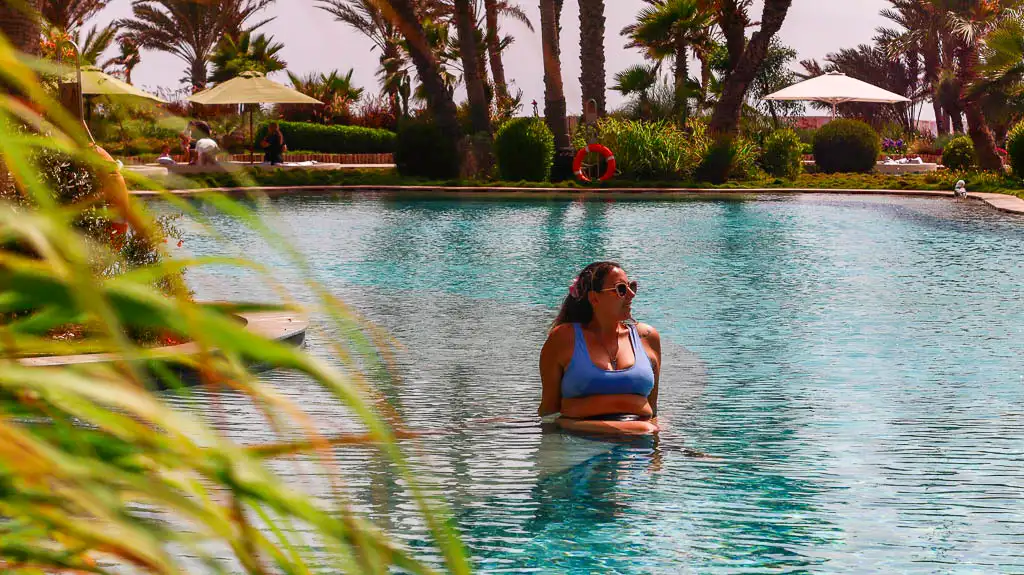
14 Days Morocco Atlantic Coast Itinerary
Our itinerary of Morocco on the long line of the Atlantic Ocean at a glance:
Day 1/2: Agadir
Day 3 to 6: Tamraght and Taghazout
Day 7 to 10: Essaouira
Day 11/12: Casablanca
Day 13/14: Rabat
Optional destinations: El Jadida, Oualidia, Safi, Asilah, Tangier
Distance between the destinations in this itinerary
| Route | Distance (km) | Typical Drive Time |
| Agadir – Tamraght | 25 | 45 min |
| Tamraght – Taghazout | 5 | 15 min |
| Taghazout – Essaouira | 95 | 2.5 – 3 hr |
| Essaouira – Casablanca | 175 | 3.5 – 4 hr |
| Casablanca – Rabat | 90 | 1 – 1.5 hr |
Atlantic Coast Itinerary: Day-by-Day Breakdown
Day 1-2: Agadir – Chilled resort and quiet souk
We got one of the cheapest flights to Morocco from London to Agadir. That was where our adventure started. The sea breeze immediately wakes you up, but the city’s vibe leans heavily towards a resort—great for easing into Morocco, but low on cultural soul.
We stayed at The View Hotel, right on the promenade. Our room had a sea-facing balcony, brilliant at sunset. That said, Agadir seems designed for holidaymakers seeking comfort, rather than cultural immersion. The beach is wide and clean, but lacks character and a local touch.
We explored the souk, which is completely different from other parts of the country and feels very low-key. We had a nice walk on the promenade, with very long stretches leading to the Marina, lined with a garden on one side. Spend two nights there; there isn’t much to do, and the Atlantic Coast is long. The best is yet to come.
Our tip? Use Agadir to relax, settle your bearings, and prepare for the unpredictable stretches ahead. Consider it a soft landing on your Morocco Atlantic Coast itinerary.

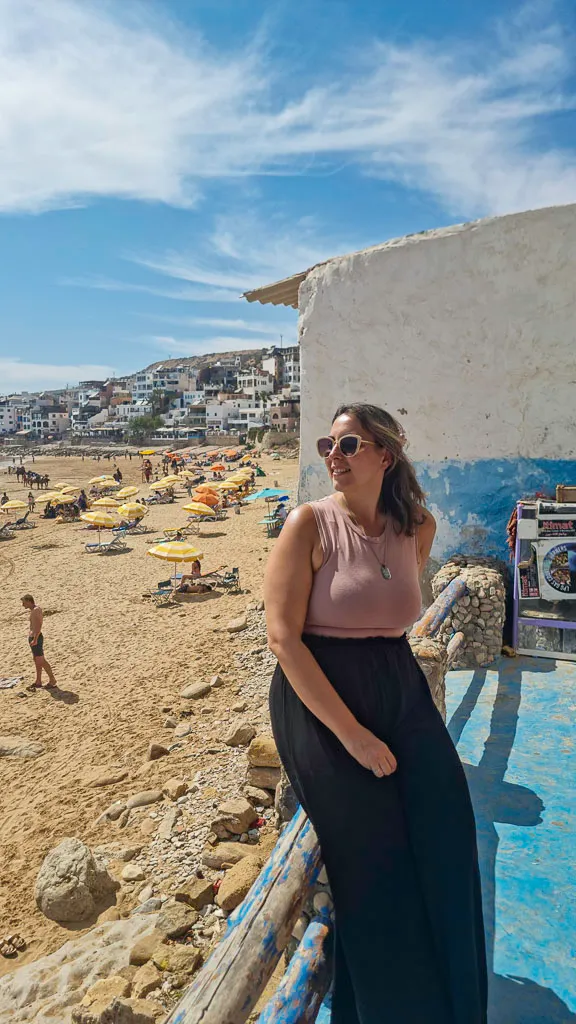
Day 3-6: Tamraght and Taghazout
Not so far from Agadir, heading North, our base for over a week was Tamraght. Forget the glam of beach resorts; this village thrives on charm through simplicity.
It’s where you’ll meet the real Morocco, with dusty roads, unpretentious cafés, and a strong surf culture embodying the Atlantic Coast vibes.
Tamraght
We rented a modest double room for about 180 dirhams a night, which was enough to keep us comfortable without breaking the bank. Read our Morocco budget guide for more!
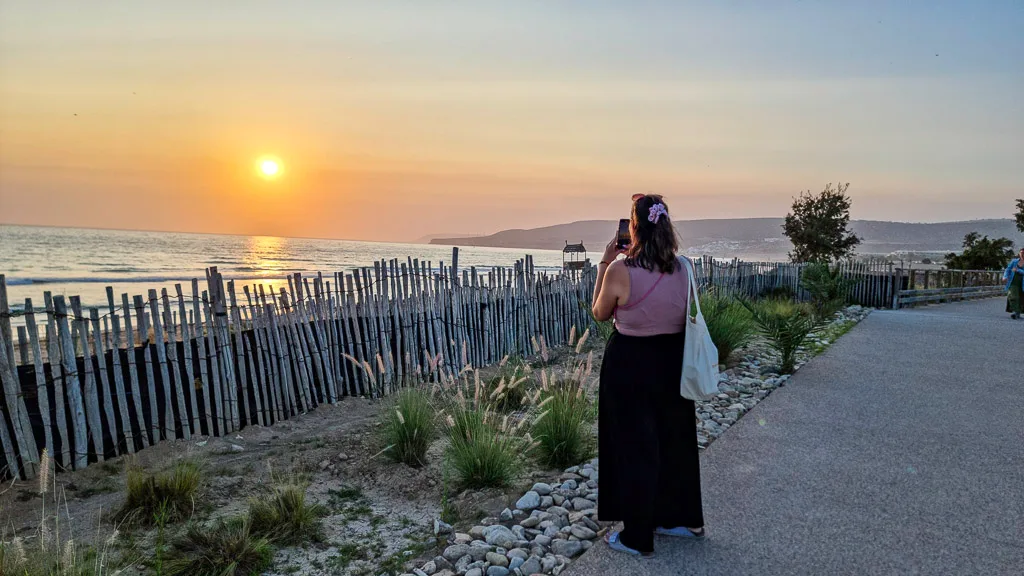
However, you can find great resorts just midway between Taghazout. Both are very off-the-beaten-track; we relaxed, enjoyed the sunsets, and settled into Moroccan vibes.
While Tamraght is cheaper compared to Taghazout, there isn’t much to do apart from the beach. We worked from cafes, occasional walks, but had a great time exploring Taghazout. Read our review on both to see where you fit in.
READ MORE | Best places to stay in Tamraght
Taghazout
When in Taghazout, we hit the beach and watched the Atlantic from a cafe with a balcony. It is a great memory, and back then, it was a way to relax and unwind. The beach in Taghazout is more accessible than in Tamraght. So, cards in your hand.
You’ll find a vibrant food scene here, featuring avocado bowls, grain salads, and multiple cafes offering scenic workspaces. We spent an afternoon at Tayghoute Café, perched on a cliff with panoramic views while nursing freshly squeezed orange juice and strong coffee.
Surfboard rentals cost around 100-150 dirhams per day. Lessons are pricier (expect 200-300 dirhams), but the packed lineup of surf schools tells you this place means business.
Despite the buzz, Taghazout’s got quirks: living costs shot up by roughly 30-50%, vendors can be relentless, and the beach is tourist-magnet central. If you’re after calm and savings, stay in Tamraght and take a day trip here.

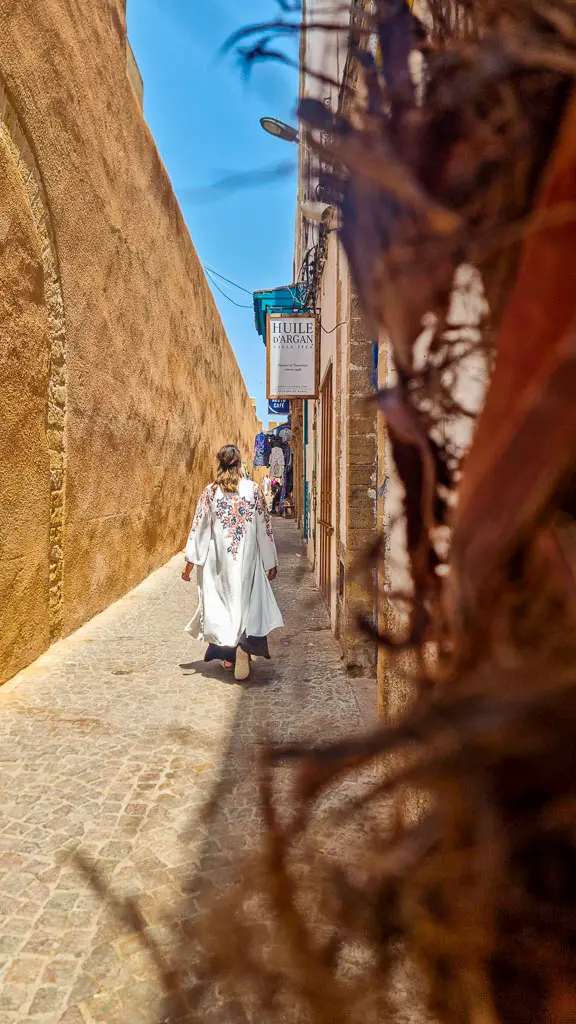
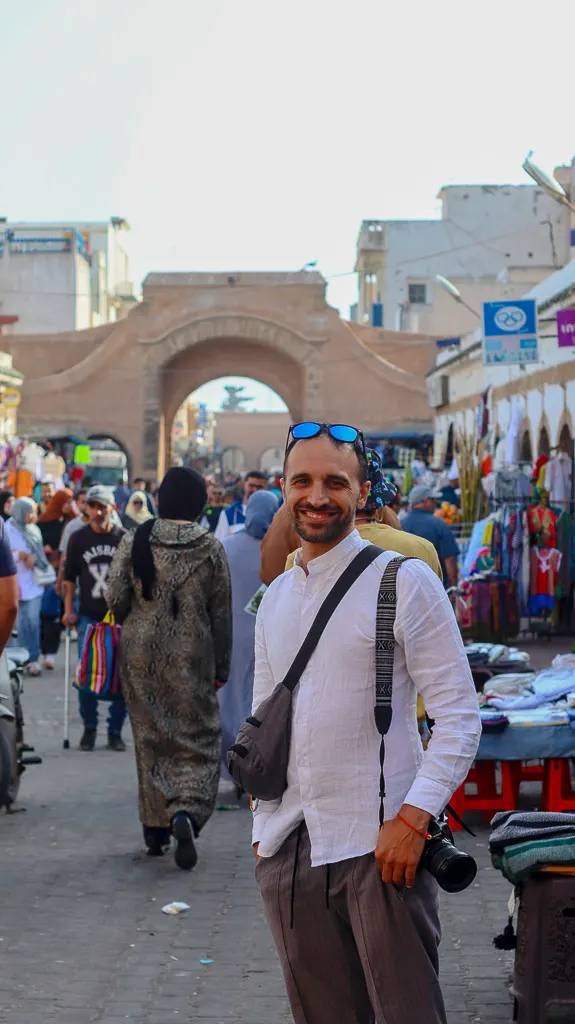
Day 7-10: Essaouira – Medieval Medinas Wrapped in Ocean Winds and History
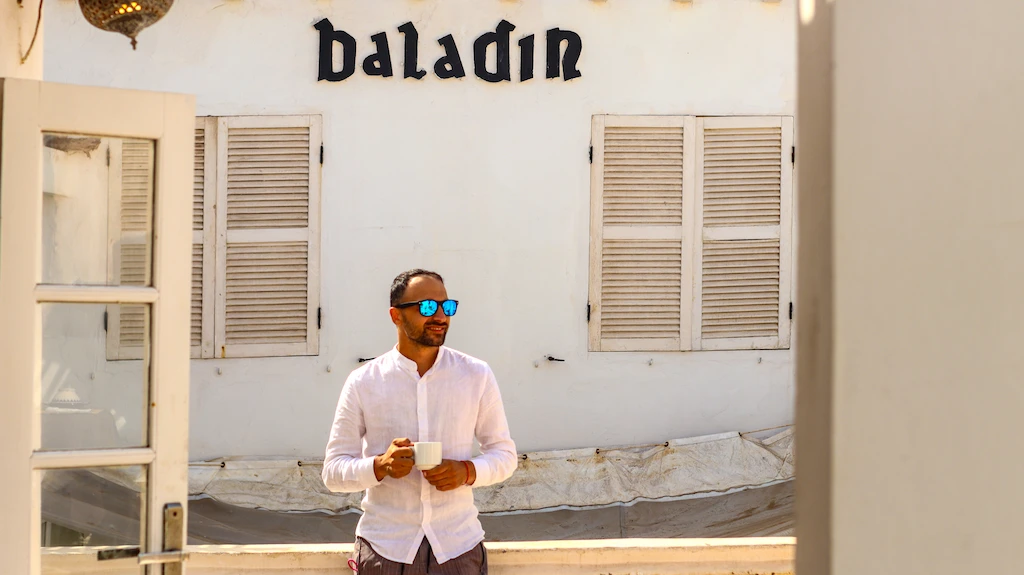
Moving further up the coast, Essaouira is what we could never expect to fall in love with. Our place was Riad Baladin, a boutique Riad, in the heart of the medina, family-owned with very limited rooms. I guess that this is one of the reasons why we wished to stay longer in Essaouira.
The city is a blend of salt, blue-painted doors, and thick medina walls. This is the Atlantic Coast’s cultural heart. The souk feels real and vibrant, miles away from the touristy vibes of the Marrakech Medina.
In Essaouira, we found our comfort zone, in between terraced cafes, the violent waves crashing on the bastion, once the filming location of Game of Thrones. During the day, we wandered aimlessly through the maze of streets, taking photos at the raw fish market or sipping locally roasted coffee blends at Brotherhood Cafe.
Essaouira’s market scene is surprisingly laid-back: bargaining is fun, crowds are manageable, and fresh fruit baskets cost no more than 10 dirhams. We recommend skipping seafood stalls unless you’re confident—it can be hit or miss, and food poisoning is no joke.
For photographers and culture seekers, the Bab El Marsa fortress and ramparts deliver postcard-worthy ocean vistas—no filter needed.
Days 11 & 12: Casablanca
Next, we ventured inland to Casablanca, Morocco’s economic powerhouse. The city’s mix of sleek architecture and historic sites offers surprising depth. The iconic Hassan II Mosque is the main attraction.
The Corniche is a great way to get around, walking with the city on one side and the infinite Ocean on the other. Casablanca is filled with cafes, shops and of course, old medina corners. To be fair, we didn’t appreciate Casablanca much, as it has become a primarily financial hub in Morocco.
However, the city is less touristy than others. We recommend a good hotel in the city centre — it eases logistics and opens evening dining options.
To be honest, you can skip staying overnight in Casablanca. Spend a few hours here and then drive an hour north to Rabat. The Motorway is cheap and reliable. We suggest spending more time in Rabat and appreciating the city, instead of wasting a day in Casablanca.

Days 13 & 14: Rabat — The Calm Capital’s Cultural Canvas
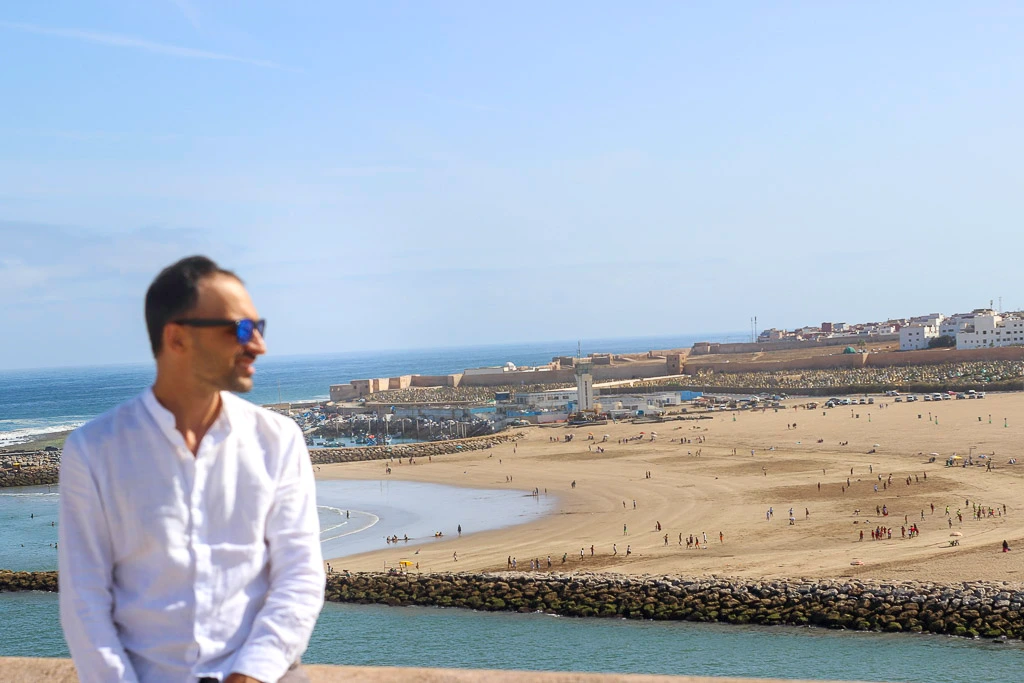
Rabat is just 50 minutes driving away (motorway) from Casablanca, and is a city that surprised us on the Atlantic Coast. Not many talk about Rabat, and fewer and fewer stay more than one night. That could be your last stop on the Morocco Atlantic Coast Itinerary, unless you head north to Tangier or Tetouan.
The capital of Morocco is tranquil, yet it has a lot of attractions, sights and things to do. Once we arrived and parked our car, we were already within the medina streets. Our accommodation was right in the souk, but honestly, we had the most tranquil nights’ sleep in Morocco.
We immersed ourselves in the Kasbah of the Udayas. The old town consists of two parts: the Medina, which features the souk, and the Kasbah. Then you can explore the rest of the city, including the new city, Ville Neuve, and some sights here and there, such as the Hassan Tower and Mausoleum.
Rabat’s pace feels calm yet cultured; its museums and gardens give you the time to truly appreciate it, without the touristy approach. Streets are exceptionally clean, with no litter; gardens are well-maintained, and people are very nice.
It’s not for tourists; it’s more to appreciate modern Morocco. Easily, Rabat can be your last stop, as major low-cost airline companies serve its airport. Also, you can continue your trip to Fez for more of Morocco.
More guides about Morocco

CHOUARA TANNERY GUIDE

IS FEZ WORTH VISITING?
SHOP N10 FES TANNERIES

BACKPACKING IN MOROCCO
MOROCCO BUDGET GUIDE
A DETAILED GUIDE TO TAGHAZOUT

AGADIR SOUK GUIDE

IS ESSAOUIRA WORTH VISITING?
MARRAKECH STREET FOOD TOUR
Custom Itinerary Variations
- 7-Day Adventure: Agadir → Taghazout → Essaouira (focus on surfing, culture, and resort relaxation). Not enough time to waste travelling long distances.
- 10-Day Cultural Trip: Includes Casablanca and Rabat for enhanced cultural richness, convenient accommodations, and kid-friendly attractions. It’s rushed but still nice.
- 14-Day Backpacking Route: You can make it budget-friendly by prioritising villages and small seaside towns. Exclude Casablanca and focus on Essaouira. Travel off the beaten path with optional stops at Imsouane, El Jadida, Oualidia, and northern towns for deep exploration.
Morocco Atlantic Coast off the beaten path towns
Morocco’s Atlantic Coast conceals some seriously rewarding, off-the-beaten-path towns worth detouring to. First up, El Jadida charms with its Portuguese fortress vibe—a UNESCO World Heritage site—and serene beaches where crowds thin out.
Just south, Oualidia is a quiet lagoon town famous for its oysters and laid-back vibes, perfect for those who want to experience raw nature coupled with fresh seafood.
Nearby, Imsouane offers a mellow surf scene, an alternative to Tamraght and Taghazout, with uncrowded breaks and a tranquil bay. Above in the picture is the view of the ocean from Momo’s Cafe right on the cliffs.
Next comes Safi, a gritty ceramic hub that’s unapologetically industrial but packed with authentic quirks, vibrant souks, and Atlantic views.
Up north, Asilah is a postcard-perfect medina, walls drenched in art, and a summer festival scene that’s colourful without being overrun.
Finally, Tangier, the legendary gateway city, blends European flair with Moroccan soul, offering an exploration of its tangled alleys, panoramic views, and buzzing cafés. These towns offer a diverse and genuine slice of Moroccan coastal life, far from tourist crowds.
Where to Stay: Hotels & Riads Per Stop
Agadir:
- The View Hotel for mid-range comfort // BOOK HERE!
- Zephyr Agadir for budget-friendly in Agadir Bay // CHECK HERE!
- Dinosaur Anza Surf House – On a budget stay near the beach // BOOK NOW!
Tamraght:
- Splurge at Riad Dar Haven for £90 per night // SEE PRICES!
- Stay on a budget at Aourir soul hostel (9.2 Rating Reviews) // BOOK HERE!
Read our guide on where to stay in Tamraght.
Taghazout:
- Perfect for backpackers – Taghazout Ocean View // CHECK IT OUT!
- Splurge at: Hyatt Regency Taghazout, the best and most beautiful infinity pool. // BOOK HERE!
Essaouira:
- Moga Hostel (budget) // CHECK HERE!
- Welkam Home and Co-working (Perfect for digital nomads) // SEE AVAILABILITY!
- Riad Baladin (splurge) // SAVE YOUR SPOT!
Rabat:
- Budget-friendly option: Dar Cherki Medina (Highly recommended, We stayed here!)
- A budget alternative is Dar Bennis médina (On our shortlist!)
- Riad el wazania (Mid-Range)
Practical Travel Tips for your Morocco Itinerary
Our Morocco itinerary was much longer than the one in this article. We were around for 40 days, exploring the Atlantic Coast, the cultural centres, and some hidden gems here and there.
We also drove up north to the Mediterranean coast, then into the Sahara Desert and back again through the Atlas Mountains. Got our fair share of knowledge on how to drive in Morocco.
Bear in mind that police checks are common, so drive cautiously, stick to speed limits and have an international driving permit along with your licence.
However, for the first part of the trip, we relied on public transport. We took local buses from Agadir to Tamraght (check how to make it cheap here), and the CTM (local long-range buses company) from Essaouira to Marrakech. All of these are experiences on your own, and if you are a backpacker, they are absolutely doable.
Having an internet connection at all times is necessary; that’s why we suggest having an e-SIM in Morocco. The last thing you want is to waste time getting a local SIM for just two weeks. Grab your eSIM now!
Also, remember to book your accommodation in advance!! Mainly for two reasons: You’ll save money, and also get the best spots. We missed a couple of accommodations just because we booked at the last minute. And of course, we paid a premium for the second choice.

Honest Lessons Learnt – What We’d Do Differently
Our biggest mistake? Underestimating travel times—Morocco runs at its own pace, and 40 km can spiral into a tedious 2-hour drive. Always overestimate.
Roads on the Atlantic Coast are carved into the rocks, often winding through the rugged coastline. Ale was sick on the way from Tamraght to Essaouira and had to make an emergency stop. Keep this in mind and plan a few stops along the way to mitigate the journey.
Cash is king—bring enough to avoid sketchy ATMs and card refusals. Also, pack light; travelling with bulky bags on local buses is a nightmare.
Safety-wise, the Atlantic coast felt mostly secure, but some cities presented intentional or accidental hostility. Blend in where you can, keep your wits about you, and trust your instincts.
Final Take – How to Make the Most of Your Morocco Atlantic Coast Itinerary
If your heart is set on the Atlantic Coast:
- Start smoothly in Agadir for comfort, or opt for a budget-friendly flight to Essaouira, then head north.
- Base yourself in Tamraght for authentic culture, solid budgets, and great work-life balance if you are a slow digital nomad like us.
- Spend a buzzing day in Taghazout, soaking surf spot energy.
- Devote quality time to Essaouira—Morocco’s medina-meets-ocean jewel.
- Spend more time in Rabat than in Casablanca. If you want, you can just make a stop in Casablanca for a few hours on the way to Rabat (just 1 hour driving distance between the two).
Planning a slow one-week itinerary? Focus on Tamraght and Essaouira, with a tag-along trip to Taghazout.
Want to dive deeper into the slow-living and digital nomad vibe at Tamraght? Check out our Tamraght Digital Nomad guide!
The Morocco Atlantic coast is untamed, raw, and sometimes rough around the edges—but vulnerability and all, it became one of our deepest travel loves.