Driving in Morocco for First-Time Visitors: Practical Advice and Road Safety

We drove 2,500km across Morocco in a Hyundai i10. From police hiding in bushes with speed guns to the chaotic roundabouts of Marrakech, here’s everything you need to know. Don’t fear the roads—just fear the fines. Plus, our tips for the Tizi n’Tichka pass.
This is our best guide filled with tips on driving in Morocco. We did an epic road trip, for 21 days behind the wheels. We circled Morocco from the Atlantic Coast, exploring the dunes of the Sahara desert and spin through palm-filled valleys.
We knew it was a great trip, but renting a car in Morocco turned the itinerary into an epic adventure.
Within this guide we answer common questions, we also had before facing reality of driving in Morocco. Is it safe? How is the police? Can I drive in the mountains, and the desert? Which car should I rent? These and more, are addressed point by point.

This post includes affiliate links. We may earn a small commission at no cost to you. You can also buy us a coffee to support the site directly. Learn more in our Cookie Policy.

👋Toti & Ale here
London couple, 45+ countries, 300+ guides. We are full-time content creators, travelling as slowmads, spending quality time in places we love the most. We run this and several other blogs from the best places in the world. This guide is all about our road trip reality. We got stopped by police (twice!), dodged pedestrians who treat highways like sidewalks, and learned that “speed limit” signs are serious business. We share our experience with the “checkpoints” and why you should never drive at night.
March 18, 2026 update reflects the increased fines for speeding in 2026, the new radar locations on the N9, and the road conditions on the way to Merzouga. Non Less the tip to always carry cash for on-the-spot fines (just in case). No AI; all kilometres driven, day and night – in all conditions!
Essentials
FAQ Driving in Morocco
Follow these tips for the best experience driving in Morocco
- Keep speeds within limits; police checkpoints are common.
- Expect jaywalking pedestrians everywhere; stay alert and ready to brake.
- Avoid night driving whenever possible; roads outside cities are often poorly lit.
- Carry cash for tolls, fuel, and parking.
- Rent a small, reliable car with AC. 4×4 if using secondary roads.
- Document the rental car condition with photos/videos.
- Respect roundabouts and local driving flow.
- Use headlight flashing to warn others about police presence.
- Research parking and plan stops carefully.
- Insure extensively and include multiple drivers.

Renting a Car in Morocco
We booked a tiny Hyundai i10 for 21 days, comparing prices and models on Discover Cars. The choice was a win as on the spot agencies were asking extortionate amounts of money for the same small car.
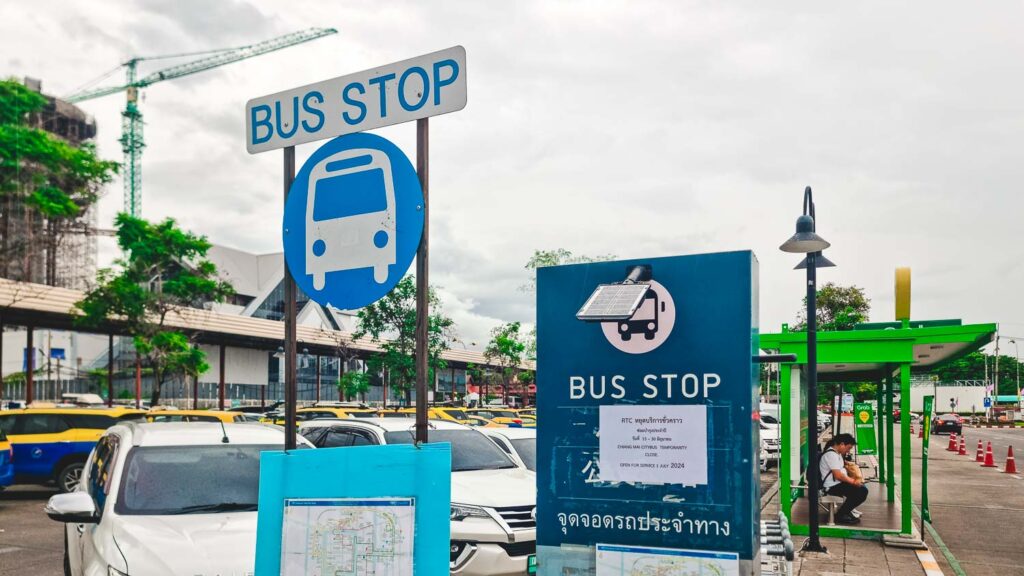
The pickup was from a rental company near Marrakech airport. The local bus to the airport costs just 4 MAD and takes about 20 minutes from Jemaa El-Fnaa Square. The process was smoother than expected, with lots of paperwork and a very necessary 20-minute video documenting every scratch.
Trust us, the “document everything” advice is not sarcasm. Do it! Morocco’s rental game can be sketchy if you’re careless. Full-to-full fuel policy. Paid extra for insurance covered by the Discover card, which was one-third of the amount requested by the rental company.
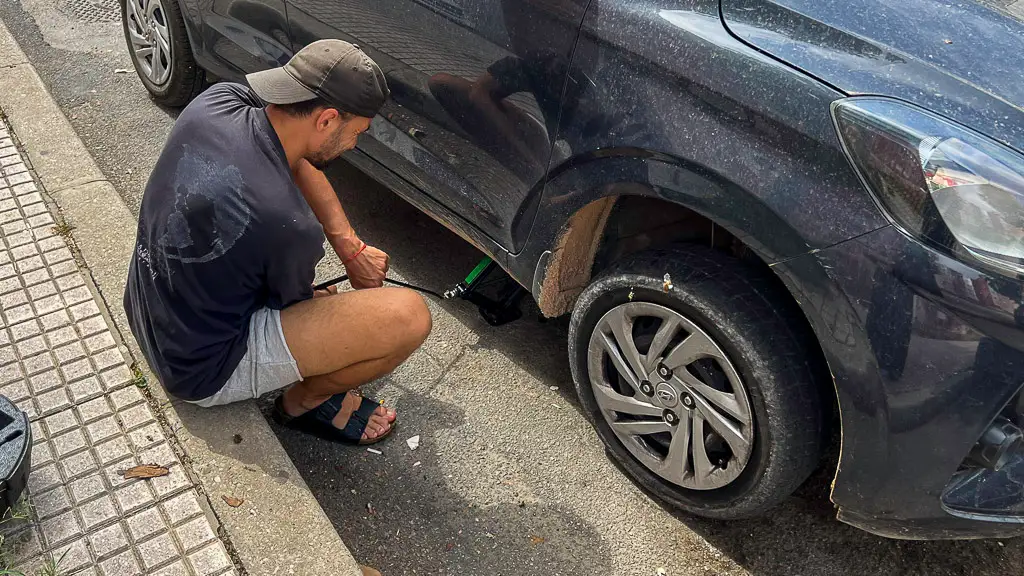
We paid £250 for the rental, managed to add a second driver (free through Discover Cars, while most companies will try to upcharge you. The insurance turned out to be a great value for money. We ended up using the tire policy after one epic flat—not just a “slow puncture” but a tire-shredding, roadside, sweat-drenched event in Tetouan.
Our advice: buy the full insurance, including windscreen and tire. We did—totally worth it after seeing the bill.


Choose your vehicle
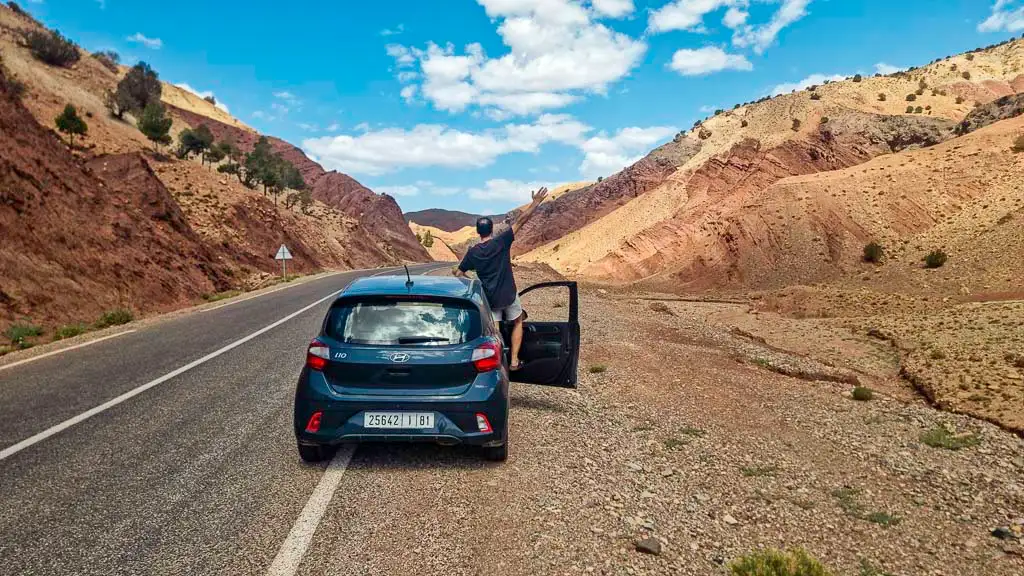
We rented a small Hyundai i10 for agility—perfect for narrow city streets and mountain passes with mostly paved roads. We don’t regret that, but we have to confess. When we lost our way from Fez to Chefchouen and found a non-existent road, I wish I had a 4×4. Anyway, we adapted, and often chose the long way instead of the shortcut. Lesson learned.
Contrary to some warnings, a 2WD small car was sufficient even for routes into the High Atlas mountains and valleys we explored. But don’t take our words for granted if you are exploring Morocco in winter. Just ensure your car has air conditioning for Morocco’s heat, especially if you visit in summer.
Essential Driving Rules & Licensing
Morocco’s driving rules blend European elements with local customs and etiquette. Speed limits are posted, but enforcement varies—sometimes rigorously, other times loosely.
Respect the white line on highways and don’t overtake where forbidden, but expect locals to take chances anyway. We kept our distance and avoided close calls by driving defensively. The distance to the other car in Morocco is 70 Metres, keep more if on a hill.
☕ Buy us a coffee!
Our travel guides are free and made with love to help you explore more, spend less, and travel better. If you’ve found them useful, you can buy us a coffee to keep the adventures going and support more content like this. Cheers!! ☕🌍

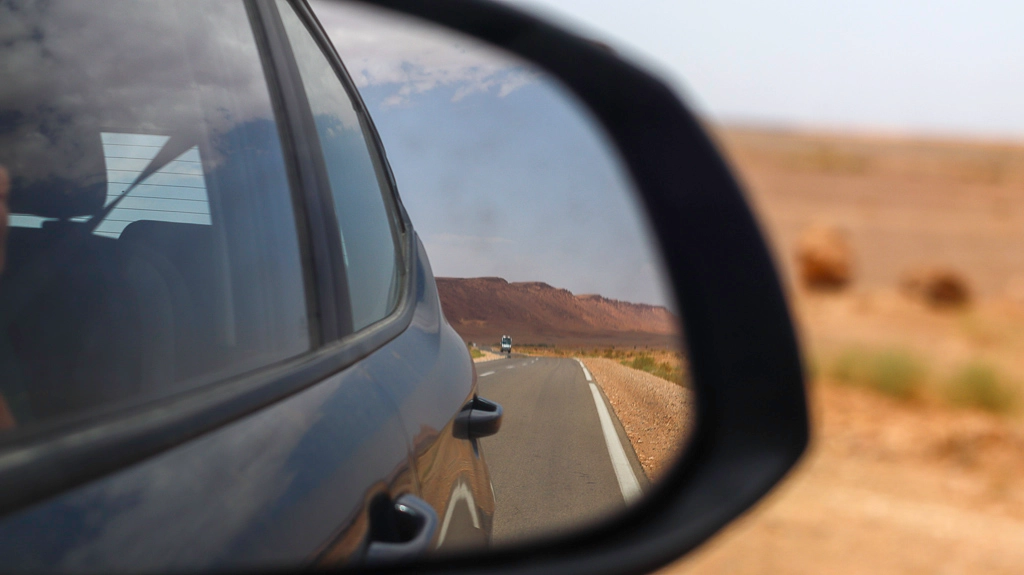
Be careful with police hiding and speed control
Police are everywhere in Morocco. Not necessarily to hassle tourists, as we have seen them stopping a lot more locals and lorries. The speed control seems very intimidating.
Once we spotted a police car hidden behind a bush, near Ain Ben Haiddou. The laser speed gun was pointed in our direction, camouflaged behind the big bush. It was a speedway, for up to 90 Km/h outside of town.
Keeping within speed limits isn’t negotiable; fines come quickly and on the spot. Locals will flash you from the opposite direction if they spot a checkpoint or a laser gun in action. Do the same. Adopting this saved us on multiple occasions. Not that we were speeding.
Police Checkpoints
Police checkpoints are a regular part of driving in Morocco, especially when entering or leaving cities and along major highways. They can feel intimidating at first, but staying calm and polite goes a long way.
Officers typically check your documents and may ask routine questions. Keep your license, passport (or a photo of it), car rental papers, and insurance handy to avoid delays. Speeding is a common reason for being stopped.
We found that there is always a laser speed control, Km before every checkpoint. Whoever was speeding was then stopped. It could be a coincidence, but we did notice that.
Avoid driving at night when you can
We drove at night, as it was absolutely necessary to return to the Atlas from Tetouan. If you can avoid it, better. Street lights aren’t everywhere, especially outside of cities.
The highway in Morocco doesn’t have lights, unless there are nearby service areas. Unexpected obstacles like pedestrians, animals, or slow vehicles appear suddenly.

Licence for driving in Morocco
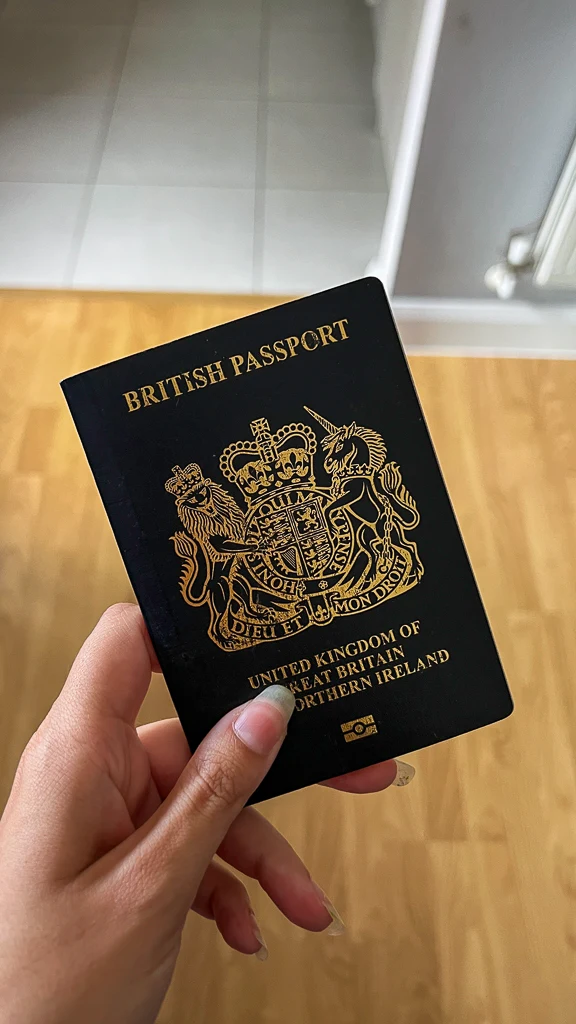
For UK, US, and European travellers, your licence is valid for driving in Morocco; no extra paperwork is usually required for tourist stays of under 90 days. We carried our physical licenses, passports (a Digital Copy is fine), and IDP.
A police officer stopped us in Ouarzazate and asked for the paperwork, along with the rental contract. Check yours before leaving the rental office.
Moroccan Roads
The landscape in Morocco changes significantly, and with it, road conditions, the difficulty of the drive, and, of course, the style of other drivers. Urban areas like Marrakech or Fez can be chaotic, with narrow medina alleys, aggressive taxis, and pedestrians crossing unpredictably.
We suggest avoiding having a car in Marrakech, unless necessary. We returned our car one day earlier because it was too complicated to park and navigate the medina. In rural regions, the roads open up into stunning landscapes but vary greatly in quality—from smooth highways to rough mountain paths.
Planning is key: road signs can be sparse, unpredictable and change within metres. We primarily used Google Maps, but the roads aren’t well mapped. GPS got our way wrong one more time. Map Me is another app locals suggest downloading, as it’s more updated than Google Maps.
Seasonal factors, especially winter snows in the Atlas Mountains, can throw curveballs that require extra caution and sometimes a 4×4.

Planning a trip to Morocco?
Read our ultimate 10-day Morocco road trip itinerary for first-timers.
Urban vs Rural Driving: Medina Chaos and Countryside Calm
Driving in cities means being on the lookout. I was more stressed driving in Marrakech, Fes, and Tetouan for a few minutes than I was for several hours in the Atlas Mountains. Medina streets are narrow and twisting, often inaccessible by car; parking is limited, and navigating requires patience and local knowledge.
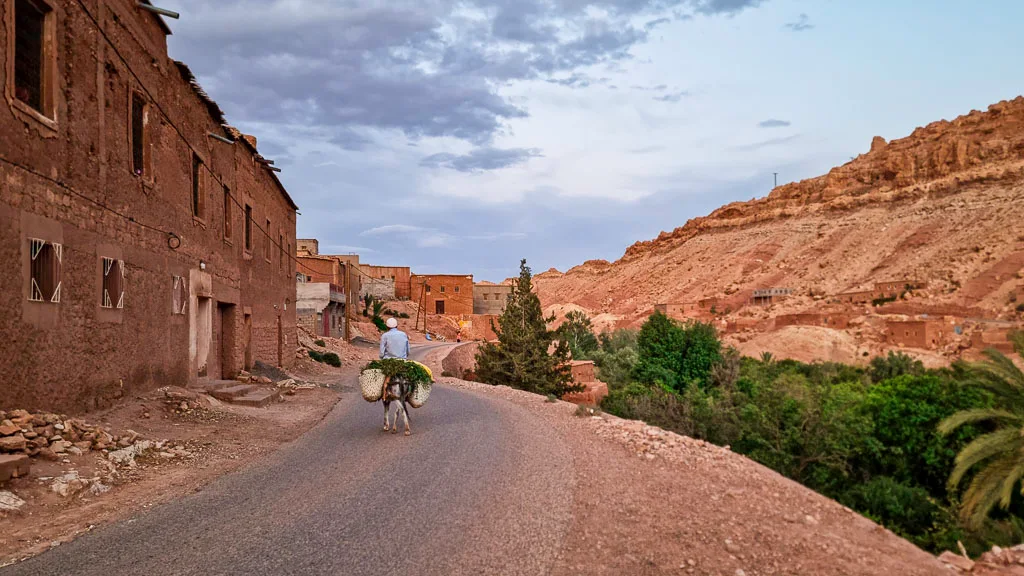
Taxis dart unpredictably, and pedestrians cross the street at any point. Outside cities, roads open into breathtaking panoramas with less traffic and more freedom. Yet rural roads can be challenging—gravel patches, potholes, and less clear signage.
We found countryside driving rewarding but slower, as unexpected road conditions demanded caution. Allow plenty of time to enjoy your trip to Morocco.
More guides about Morocco
AIT BENHADDOU GUIDE

IS FEZ WORTH VISITING?

SHOP N10 FES TANNERIES

BACKPACKING IN MOROCCO
MOROCCO BUDGET GUIDE
A DETAILED GUIDE TO TAGHAZOUT

AGADIR SOUK GUIDE

IS ESSAOUIRA WORTH VISITING?
MARRAKECH STREET FOOD TOUR
Road Quality, Signage, and GPS
Main highways are mostly paved and well-maintained, often with tolls that require small fees, which can be paid in cash. Secondary roads, especially in mountainous or remote areas, can turn bumpy, dusty, or narrow.
Some, even non-existent, go carefully, as kids playing can appear from nowhere, just like donkeys and sheep on the road. Signage varies—major routes have decent markers, while smaller roads have less so.
Depending on mobile coverage, GPS can falter, so we downloaded offline maps ahead of time. Locals’ directions often helped fill gaps when tech failed, especially in villages and offbeat paths.
Speed Limits in Morocco
In Morocco, speed limits vary widely:
- Typically 60 km/h in towns
- 80-100 km/h on main roads
- Up to 120 km/h on highways
As mentioned already, police use laser speed guns. We have also seen some officials in plain clothes doing random checks. Traffic signals can be sporadic and inconsistent.
Where we could go at 60 km/h, we suddenly find a signal to 80 km/h and then have it voided. Stick to basic limits, avoid risky overtakes, and expect the unexpected to keep safe on the road. Better safe than sorry.
Seasonal Road Considerations: Winters in the Atlas
Winter drives through the High Atlas come with unpredictable weather. Mountain passes like Tizi n’Tichka may see snow, ice, and sudden closures, making driving tricky for inexperienced drivers or standard cars. We explored in the summer, so it was good, but extremely hot.
AC worked, but as it was a small car, we had to turn it on and off many times. Too small to handle! We got some rain with very limited visibility and dusty red marks on our windshield. Weather can quickly turn roads from scenic to hazardous, so check forecasts and plan some stops along the way.
Cost, Insurance & Fueling Up
We rented the car because it gave us the freedom to explore Morocco off the beaten path, while also saving some money on public transport. Driving in Morocco comes with manageable costs if you plan ahead.
Rental prices, petrol, tolls, and insurance all add up, but doing it right helps and, in advance, will avoid surprises.
Typical Costs: Rental, Petrol, and Tolls
Car rental in Morocco varies, but expect around 250-350 MAD per day for a small car like a Hyundai i10. Petrol prices hover around 12-13 MAD per litre, with large petrol stations mostly on main roads. We drove about 2,500 Km (1,550 miles), spending 1,295 MAD (£105 | $143 | €122). Our average consumption was 4,4 L/Km (2,7 miles).
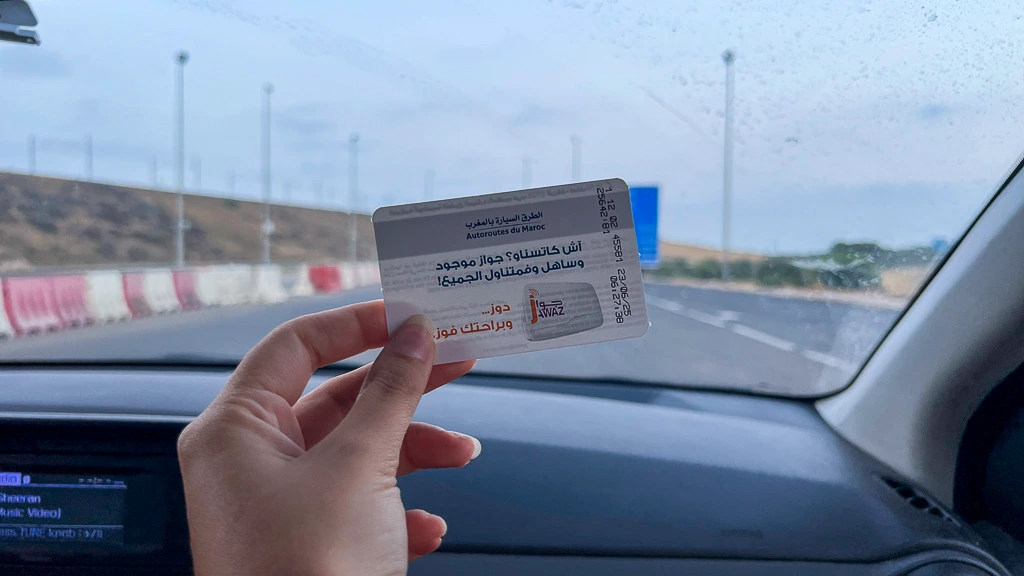
Toll roads are only on highways; fees are generally low, paid only in cash. The highest fee we paid is the toll from Marrakech to Rabat, 143 MAD (£12 | $16 |€14). We often preferred paid, guarded parking over street parking.
The fee is generally acceptable, and helps us to sleep well at night, without worrying about our car. Overnight stays are charged on average 40 MAD, while per hour is 5 MAD. Local places are safe, and you can bargain your a rate for multiple nights. In Chefchouen, we parked the car for two nights for 50 MAD.

Insurance Options: Basic, Excess, and Best Value
Basic rental insurance typically covers third-party liability but may exclude damage to tires, windshields, or undercarriage. We decided to go all in and be stress-free. Renting with Discover Car gave us the cover for about £80. We declined the rental company insurance, as it works by taking excess from our credit card on standby first.
If something happens to the car, you’ll have to cover the cost and then for reimbursement from Discover Car. When we had our problem with the tyre, we contacted the Discover car help centre. They were on the task and helped us through. After changing the tyre, we sent the invoice and within 10 days we had our money back in our account.
For the best value, use trusted international platforms like DiscoverCars to secure comprehensive insurance that covers multiple drivers, tires, and damages—exactly what we used.
Fueling Tips for Foreigners
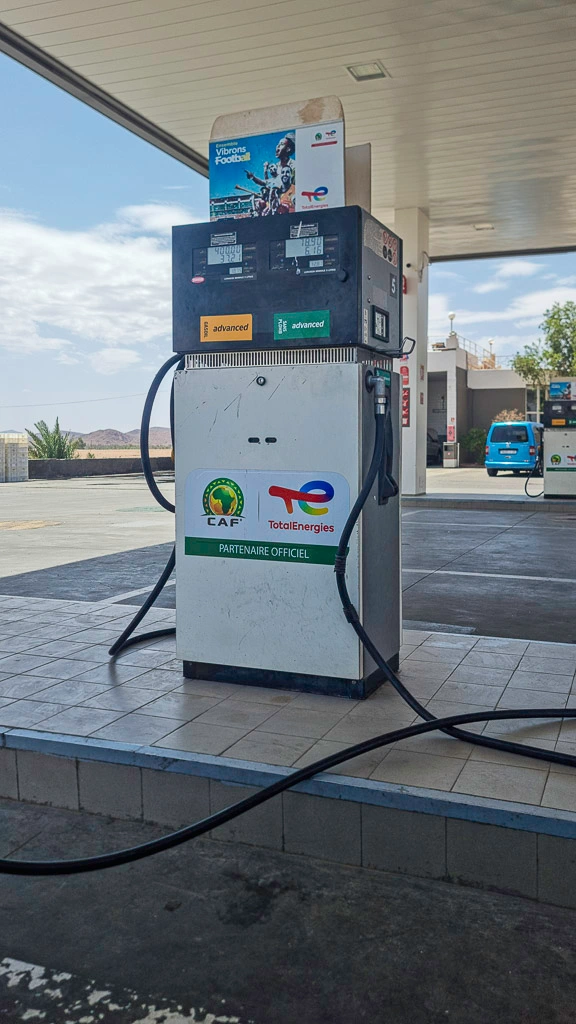
Fuel stations mostly accept cash; card payments can be spotty, and just on highways. Stick to major stations—like Total or Afriquia—especially outside cities to ensure quality fuel. Diesel is common, but confirm your rental’s fuel type.
Always fill up before long trips into rural or desert areas where petrol stations become scarce. While driving to Merzouga, we knew it was a challenge to find a petrol station, so we had the full tank in Midelt. The same is valid for mountain passes and small villages in the gorges.
Our real experience driving in Morocco
Driving in Morocco is not easy, especially in cities. It’s a mix of fast taxi drivers, unexpected pedestrian crossings, and hidden police checkpoints. Road rules often feel more like guidelines than law, and changes within metres, so you need to be very careful.
Roundabouts replace traffic lights in many cities to maintain the flow of traffic. However, they can feel overwhelming if you’re not used to the chaotic merging. We had plenty of heart-stopping moments, especially near city centres where taxis darted aggressively and locals jaywalked without a care.
However, overall, it is possible to drive in Morocco without fear. You must be vigilant, have a certain grade of experience driving cars, and have a lot of patience.
Why Driving in Morocco Was Worth It
Despite the challenges, driving gave us the freedom to see inland villages, the High Atlas Mountains, the desert near Merzouga, and coastal gems beyond the smog of big cities and tourist bubbles. We stopped where we felt like, took detours to small villages, and enjoyed jaw-dropping views along the way at our own pace.
The versatility of a rental car also allowed us to mix city stays in Marrakech and Fes with the quiet surf towns and desert camps without being tied to bus or taxi schedules. We can confidently say driving in Morocco was not just transportation; it was part of the story.

Popular Road Trip Itineraries
We drove all over the country for 21 days straight. The scenery is one of a kind, but, of course, we have our favourites and our least favourites. These are some of the best itineraries in Morocco with a car:
- Marrakech–Essaouira: Easy, fast, coastal scenery, and you land in Morocco’s chillest city.
- Atlas Loop: Marrakech–Ourika Valley–Ait Ben Haddou–Ouarzazate–Marrakech. All the “oh-wow” moments, both in terms of landscape and driving skills.
- Fes–Chefchaouen: Winding, green, a bit frantic if you take secondary roads—ours was under construction, but the views were distraction enough to forget our bouncing spines.
- The Sahara: Marrakech-Ouarzazate–Merzouga. Like crossing into another planet. Plan fuel and snacks; towns are sparse, and 100km can feel like three hours. The stretch between Marrakech and Ouarzazate is the best drive in Morocco; the one to Merzouga, on the other hand, is very boring.
- Rabat–Meknes–Fes: Open highways, much flatter, but still with enough scenery to make it worthwhile.
Each leg comes with its own wins and fails—picnic breakdowns, epic sunsets, a killer shawarma pitstop outside Midelt, and a few wrong turns we’re still laughing about.