Sapa Travel Guide: Our First-Hand Experience in Sa Pa, Vietnam

Sapa Travel guide comes from our personal experience. We were very surprised to see how Sapa has got a bend of everything: stunning landscapes, unique cultural and local experiences, outdoor adventures ideal if you’re into hiking and a relaxing atmosphere. Still dreaming about that hammock at our homestay! I woke up every morning around 8…
Sapa Travel guide comes from our personal experience.
We were very surprised to see how Sapa has got a bend of everything: stunning landscapes, unique cultural and local experiences, outdoor adventures ideal if you’re into hiking and a relaxing atmosphere. Still dreaming about that hammock at our homestay!
I woke up every morning around 8 AM, and before bringing Ale a coffee, I enjoyed the mist taking over the valley, hiding the ricefields and only revealing the peaks of some of the highest mountains in the region,
This guide to Sapa will give you everything you need to plan the itinerary, including our tips and some tricks we learned along the way.

This post includes affiliate links. We may earn a small commission at no cost to you. You can also buy us a coffee to support the site directly. Learn more in our Cookie Policy.
Why Visit Sa Pa?
Sapa holds a special place in our hearts and sits at the top of our list of best places to visit in Vietnam. What makes Sapa truly worth visiting is the calming mist that covers the valley each morning, creating a mystical atmosphere that feels like stepping into an old postcard.
The town itself has a fascinating history. It transformed from a small settlement nestled between Vietnam’s highest peaks into a charming French Alpine Mountain village.
Isn’t it amazing? Hôtel de la Coupole highlights authentic European architecture thanks to its unique mountain settings. In fact, it kind of serves as a testament to the French influence.
When to Visit Sapa
The best time to visit Sapa is from March to May or September to November; in fact, you will find lovely weather perfect if you’re into the outdoors and hiking.
March to May: It’s mainly warm and dry with clear skies and average temperatures. The rice terraces are green, and the landscape is picturesque. We visited in June and had a few rainy days, but everything was perfect because the views were amazing.
September to November: It is cooler and ideal for trekking. Being in the harvest season means that the rice terraces are golden.
It’s best to avoid the rainy season (June to August) unless you don’t mind hiking in mud. As we said, we visited in June and had a few rainy days, but glad it was sunny when we hiked the Mua Cave viewpoint.
Winter (December to February) can be chilly, with temperatures sometimes dropping to freezing. Already in June, in the evening, we wore a jacket as it was a bit cold.
Best Things to Do in Sapa
Without further ado, this is our personally selected list of the best things to do in Sapa. As you go through, you’ll definitely find a good mix of well-known popular spots, with some you might have never heard of.
Here are the top activities we loved during our time in this northern Vietnam gem:
Trek through rice terraces
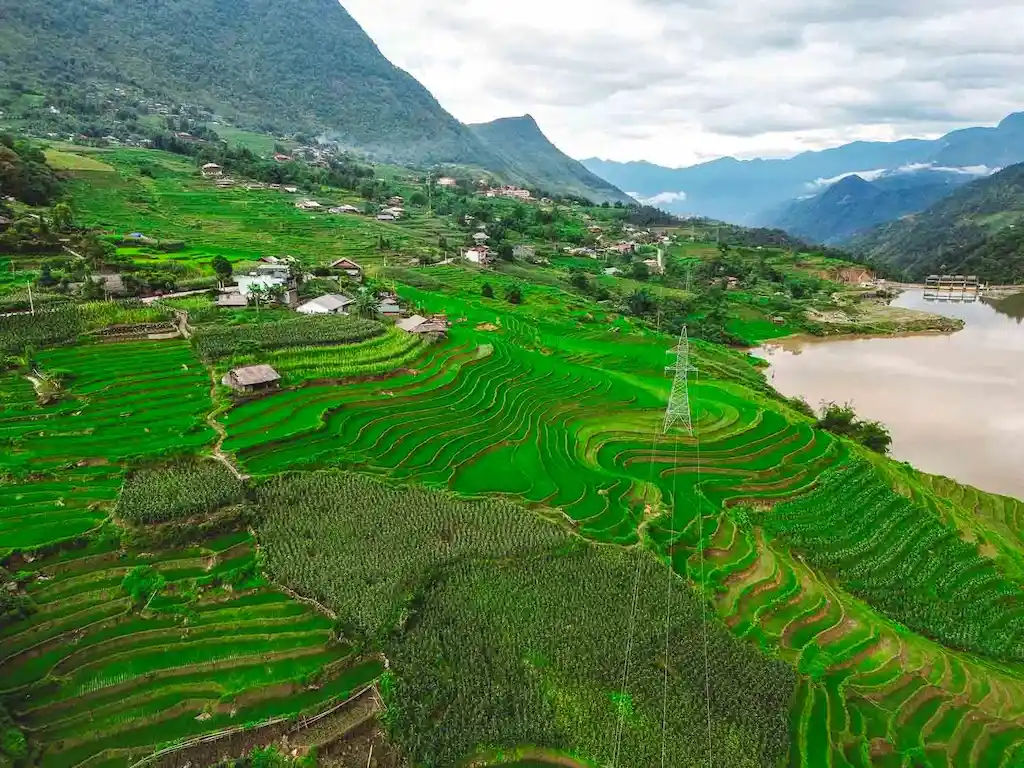
The terraced rice fields of Sapa are simply breathtaking; just look at the picture above! We found the trails suitable for all fitness levels, we did both from easy walks to a bit challenging treks.
The Muong Hoa Valley trek was particularly stunning, with mystical scenery that made every step worth it.
For an easy self-guided option, we started from Ta Van Bridge and followed the path along the river through the paddies. However, there are also guided alternatives like this one.
Stay with a Hmong Family
One of the most unique experiences for us was staying with a local Hmong family. Sapa Soul offers basic facilities but is authentic. We woke up to misty valleys, sipping coffee and the gentle sounds of village life.
This immersive cultural experience gave us genuine insights into tribal traditions that you can’t get from a hotel stay. Actually, we even had dinner in our guesthouses. Most of them prepare unique local dishes with products from the backyard garden.
Visit Fansipan Mountain
Standing at 3,143 meters, Fansipan is the highest peak in Indochina. You can take the funicular from Hôtel de la Coupole to Sapa Sunworld at 1,800 meters. We drove there. Afterwards, one of the world’s longest cable cars takes you to the summit.
On a clear day, none we had, you’ll see far, long away and enjoy a perfect day out in Sapa, Vietnam. While we were at Sunworld theme park, mid-way between Sapa and the peak, it was windy and cold, so remember a jacket.
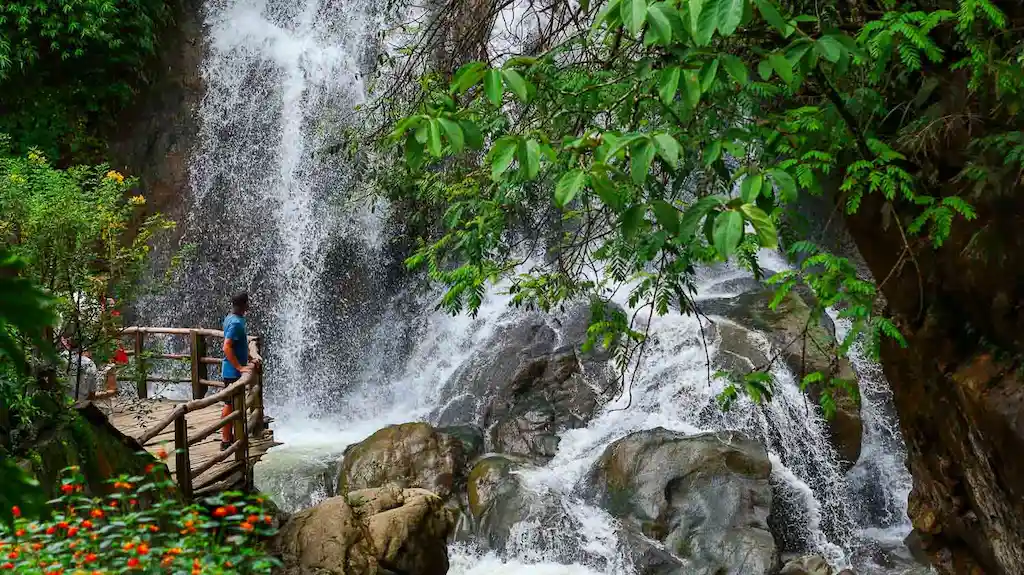
Explore Cat Cat Village
Just a short walk from town, Cat Cat Village offers a glimpse into local life. Well, not what you might expect – Read our review.
To be honest, the village feels like it’s a recreated for people to take pictures for the “gram”, in fact, it’s considered one of the most instagrammable places in Sapa.

Enjoy Coffee with a View
While around Sapa, I couldn’t resist touring for coffee. I mean, Vietnamese coffee beans are top quality, exported everywhere in the World, and while in Sapa, you can get only the finest. Right from the fields to your cup.
After a day of trekking, you’ll definitely love relaxing vibes at cafés overlooking the rice terraces. Some of our favorites were La Café, Sailing Sapa, Pavi Garden, Tiny Coffee Sapa, and Lao Chai View Coffee. Pure bliss moments!
Experience Sapa at Night
Thinking about what to do in Sapa at night? Well, you’ll be happy to know that Sapa town transforms after dark, with lights reminiscent of Hoi An.
The main square around Hôtel de la Coupole comes alive with evening shows and entertainment. We enjoyed walking down the staircase between the hotel and Ng. Cau May, where local villagers sell beautiful textiles and handicrafts.
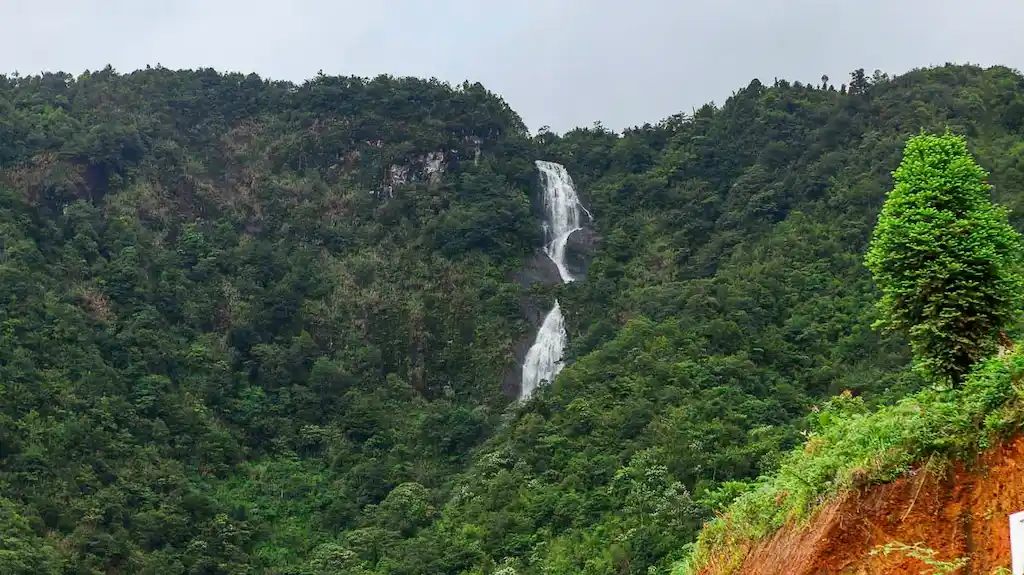
Visit Silver Waterfall
About 30 30-minute scooter ride (15km) from Sapa Town, you’ll find the impressive Silver Waterfall, also known as Thac Bac.
This unique waterfall stands 200 meters high on Ham Rong Peak; the cascade is known for its silver water rushing down from the mountain. It made for a perfect half-day trip on our rented scooter.
Sample Local Cuisine
We loved dining at the Hmong Restaurant in town, which offers authentic North Vietnamese cuisine influenced by Hmong traditions. For a more rural experience, Tôn Mận Restaurant in Ta Van served simple but delicious dishes with ingredients picked straight from their garden.
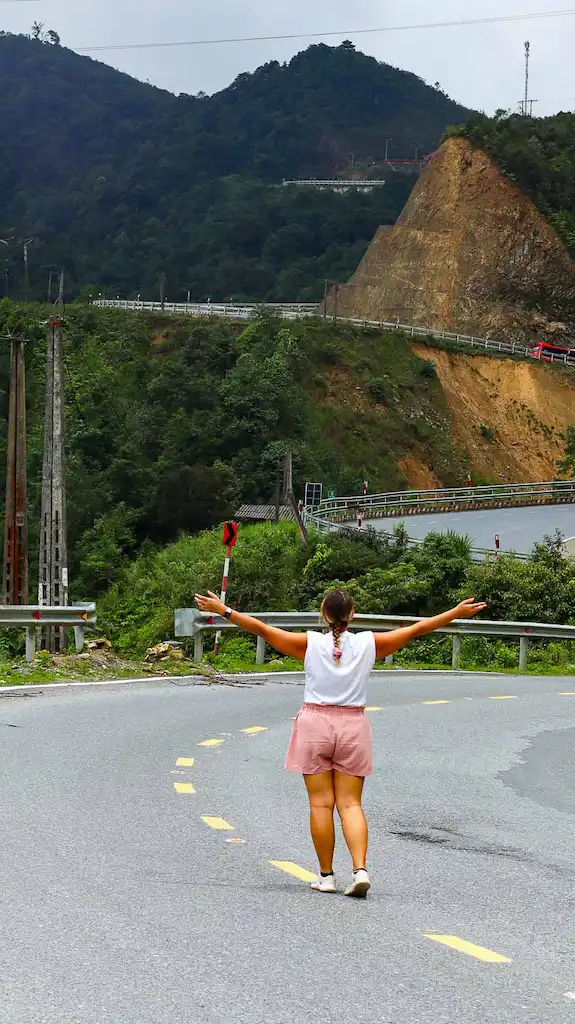
Drive O Quy Ho Pass
For the adventurous, a motorbike trip north of Sapa can take you near the Chinese border. The mountain pass O Quy Ho is one of the most famous yet difficult, close to Sapa. We were on the verge of making the famous Ha Giang Loop.
Still, unfortunate weather washed the province, making it difficult and dangerous to do so. We were lucky to drive through National Road 4D, pass the Silver Waterfall, and almost reach the Chinese border with Vietnam.
While driving you’ll be prompted to stop on the side to capture the moment, we did so many times, with waterfalls in the distance taking our attention. Just remember to drive carefully – the mountain roads can be challenging.

Getting to Sapa, Vietnam
Getting to Sapa is part of the adventure, here are the several options available:
Train: Taking the overnight train from Hanoi to Sapa is affordable, but you’ll end up reaching Sa Pa very early in the morning; in fact, trains tend to arrive before 6 or around 6.30 AM. It’s true: you’ll wake up with an amazing view of the mountain, Kind of the same feeling you have when taking the sleeper train from Bangkok to Chiang Mai, but still, check in advance if this is the best choice for you. Check the tickets here; they sell out quickly!
Bus: Taking the bus in Vietnam is an adventure, but we took the six-hour bus ride from Hanoi to Sapa and witnessed incredible scenery along the way. Buses are quicker and cheaper, and there are several departing from Hanoi Old Quarter, and tickets start from 150,000 VND ($6 | £4.70 | €5.70). Grab your bus tickets here!
Private Car/Motorbike: If you’re looking for a comfortable journey, consider hiring a private car with a driver. You can also rent a scooter and do the drive yourself, but we recommend checking the weather conditions before, as the roads are not well maintained.

Everything You Need for Vietnam, in One Handy Guide!
A guide about Vietnam, 75+ pages with all our recommendations, best places to visit, where to eat, and things to do.
GET 50% OFF NOW!
Perfect 3-Day Sapa Itinerary
Jump to:
Or read our full three days in Sapa itinerary.
Day 1: Arrive in Sapa and explore around
Morning:
- Arrive in Sapa after a 6-hour bus ride from Hanoi.
- Check into your accommodation.
- Enjoy the view of Sapa Town from Cong Cafe.
Afternoon and Evening:
- Explore Cat Cat Village, a recreated traditional Hmong village just a short walk from town.
- Visit the staircase between the hotel and Ng. Cau May to find local villages selling textiles and handicrafts.
- Explore Sapa at night, visit the main square around Hôtel de la Coupole and walk into a restaurant for a traditional hot pot.
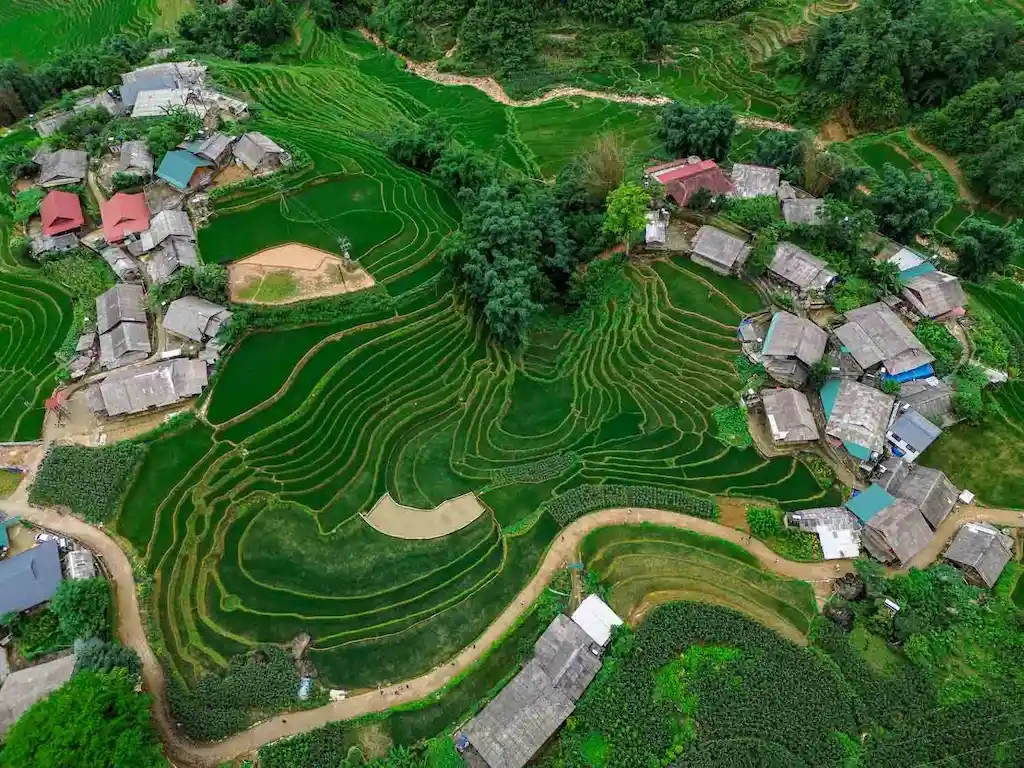
Day 2: Trekking and Cultural Immersion
Morning:
- Trek through Hmong villages and rice fields.
- Start from Ta Van Bridge for an easy, self-guided hike through rice paddies.
- Alternatively, arrange a trek with a local guide like Mama Lily for a more authentic experience.
Afternoon:
- Enjoy lunch in Ta Van at places like Tôn Mận Restaurant, featuring fresh ingredients from their garden.
- Experience the simple but delicious local cuisine.
- Visit a café with a view of the rice terraces.
- Recommended spots include La Café, Sailing Sapa, Pavi Garden, Tiny Coffee Sapa, and Lao Chai View Coffee.
Evening:
- Experience local culture at Hmong Restaurant in town.
- Sample North Vietnamese cuisine influenced by Hmong traditions.

Day 3: Mountain Heights and Waterfalls
Morning:
- Visit Fansipan Mountain, the highest peak in Indochina at 3,143 meters.
- Take the funicular from Hôtel de la Coupole to Sapa Sunworld at 1,800 meters.
- Continue with one of the world’s longest cable cars to reach the summit.
- Bring a jacket as temperatures at the top can be cold, even icy.
- Enjoy standing above the clouds (If the weather is nice – It wasn’t for us).
Afternoon:
- Drive through Ô Quy Hồ Pass, one of the most stunning pieces of landscapes in the Region.
- See the Silver Waterfall (Thac Bac), located about 15 kilometres (30 minutes) from town.
Evening:
- Return to Sapa town for a final meal.
- Purchase any last-minute handicraft souvenirs. Support locals!
- Prepare for your return journey to Hanoi.
- Consider upgrading to a VIP sleeper bus for a more comfortable return trip.
Budget for Sapa
We found Sapa surprisingly affordable, well everywhere in Vietnam it is, but the north particularly.
Being a popular Asian destination (many Chinese were on holiday when we visited), we were expecting to splurge a little more.
However, Sapa is made for budget travellers and backpackers like us. This is a perspective of what to budget for visiting Sapa:
- Accommodation: $5-20 per night for a good homestay or hostel
- Food: $1-5 per meal at local restaurants (staying away from Westernized food)
- Transport: $10-15 per day for taxis or $4-6 per day for scooter rental
- Tours: $50-100 for a 2-day tour, depending on inclusions
You can expect to spend around $25 per person per day, including transport from Hanoi, meals, accommodation, scooter, and activities.

Where to Stay in Sapa
We stayed in four different accommodations to compare all the options available. Sapa offers accommodations for every budget, from basic hostels to luxury hotels:
Budget Options:
- Sapa Signature Inn: Perfect if you’re backpacking in Vietnam, as it offers affordable dormitory-style accommodation.
- Pea homestay: We stayed in the private room for just $3
Mid-Range:
- Sapa Soul: A fantastic homestay surrounded by rice terraces near Ta Van village
Luxury Experience for just $20 per night:
- Supan Ecolodge Sapa: This was the highlight of our accommodation review in Sapa. The luxury stay is for just $20 per night, with an infinity pool and view over the rice paddies. It was a dream, and by staying here, you’ll give back to local H’Mong Communities. Read our review.
For the best experience, we suggest booking a homestay with views of the rice terraces. Staying with a local Hmong family is a unique experience and it is among the best things to do in Sapa.

Getting Around Sapa
We rented a scooter during our trip to Sapa. In fact, for us, it was the best way to get around the city. Renting a scooter in Sapa costed us only 120,000 VND per day (£3.72 | $4.70 | €4.40).
Two of our accommodations were about 15 minutes outside town, so having a scooter and being able to explore freely around town was our top priority.
We found villages that are hard to get into with a car, but also, doing it on your own lets you feel the special place without rushing. Basically, with a scooter, you’ll get what usual people miss.
Just so you know, the roads can get muddy, especially outside the main town. A lot lot of work is going on, and there are landslides in the rainy season. We got our shoes dirty (and clothes, too) a few times!
Taxis are an option if you don’t want to ride a scooter, but they cost a lot more. We loved feeling the cool mountain air while driving past the rice fields on our own time.
Packing Essentials for Sapa
- Comfortable hiking shoes for treks.
- Layered clothing as the weather can change rapidly.
- A jacket or jumper for cool evenings (temperatures drop at night in every season).
- Rain gear, especially during the rainy season.
- Waterproof backpack cover.

Cultural Experiences while in Sapa
Culture is what makes Sa Pa so special. While there, we tried to go deeper into their traditions, the transformations, and the consequences of the Colonialism period.
As you can see, we tried to maximize our time, so we went a bit around on our scooter, from one guest house to another, panning through Traditional villages that gather different tribes of the valley and mountains surrounding Sa Pa town.
In this way, we had a lot to learn about the native population, such as Hmong, Tay, Dzao, Dzay, and Xa Pho. Each of them has their own culture and traditions.
Even Cat Cat Village is interesting (while recreated) as you dive into their daily lives, traditional dishes and customs. The homestays up here are cosy, rustic and very basic (not all) – some don’t even use bed frames, with mattresses laid directly on the floor.
Pea house is where we made friends, but also where we paid $3 per night, the two of us!
We met Mama Lily while waiting for our Banh Mi outside the bus station, and straight away, we connected. In fact, she offers treks and homestays for around $10 per person.
She does everything to make sure you have a great and unique experience, which is why we love recommending her. In this way, you support the local economy and give back to the community!