Cat Cat Village Sapa Guide: Honest Review & How to Visit

We stayed longer in Sapa as slowmads, tested places and accommodation. Cat Cat Village wowed with waterfalls but disappointed as a staged spot. We tested motorbike routes (30 mins from town), paid 150k VND entry, and skipped child shows—here’s what we’d do differently for real Hmong culture.
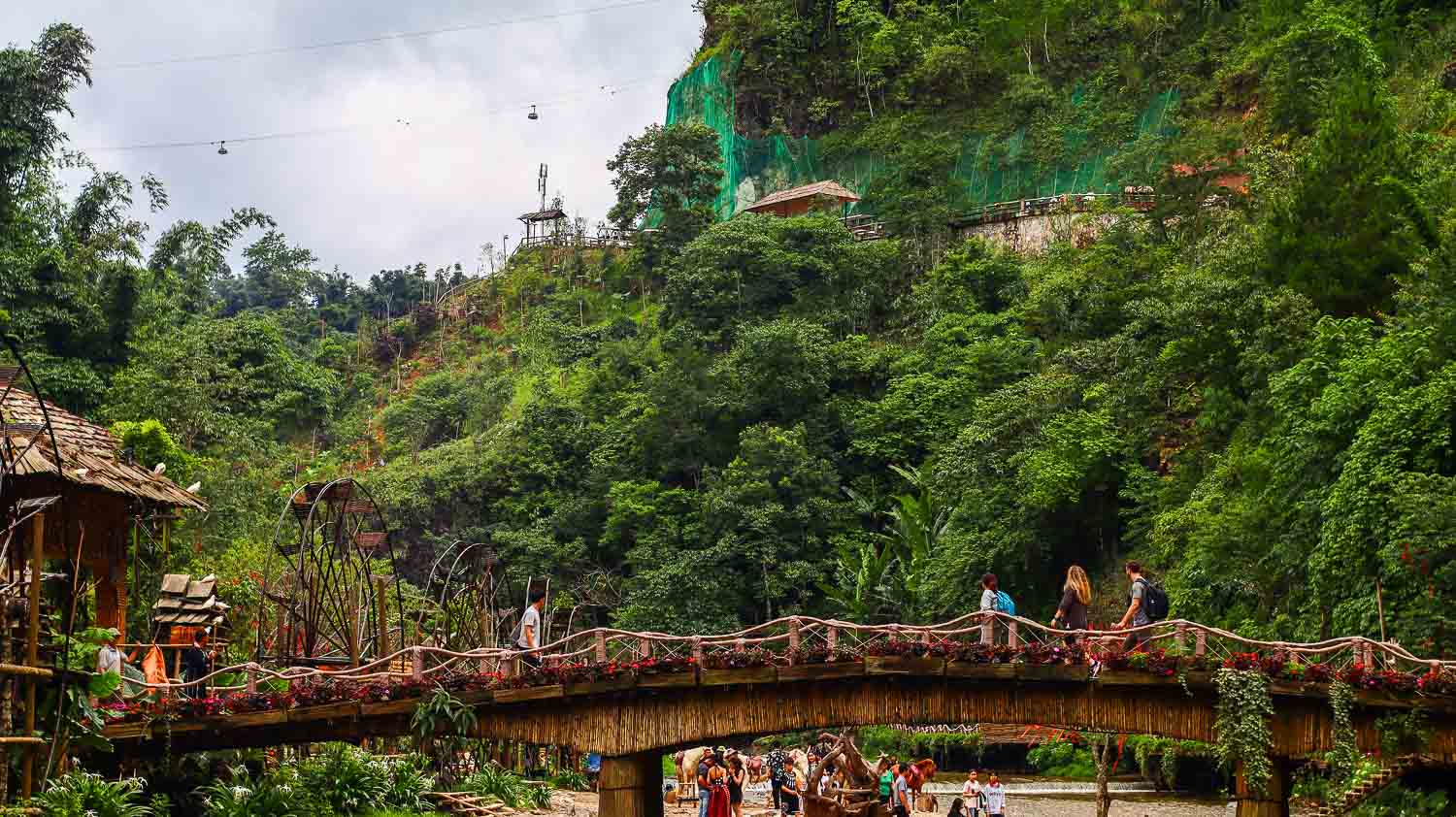
While planning our trip to Sapa we were stunned at a picture-perfect village a short distance from the centre. A gorgeous waterfall with suspended bridges crossing from one side to another and local villagers in traditional clothes is what the picture of Cat Cat Village Sapa was in our imagination.
Well, reality soon kicked in, and even though the village is stunning, it is now a mere Instagram stage that fakes what life in a remote place looks like. Apart from that, Cat Cat Village is one of the most popular places in Sapa, and we couldn’t miss visiting it.
Although we liked very little of what we saw, we are happy to provide an honest guide to Cat Cat Village and prepare you about what to expect.
This post includes affiliate links. We may earn a small commission at no cost to you. You can also buy us a coffee to support the site directly. Learn more in our Cookie Policy.
👋Toti & Ale here
London couple, 45+ countries, 300+ guides. We travel full-time and run several blogs from the best places in the world. This guide is all about our first-hand experience. Drew from 60 days across 3 Vietnam trips (2023/2024/2026). We’ve just returned in Vietnam to refresh our content for 2026 updates, and it’s a growing country!
March 27, 2026 Refreshed with updated costs, routes, tips, new activities opening and great cafes. Although inflation (+10% costs) is rising, with Vietnam facing energy problems related to fuel, the country is still pretty affordable. This guide to Cat Cat village is part of our authentic experiences, No AI; all road-tested.
Is Cat Cat Village in Sapa worth it?
Yes and Not. We thought it was an active local village, and witness how a H’mong village functions. Unfortunately, it is not and is all staged. If you are going with the mindset of finding real life in a village in the mountains of Vietnam, you will be disappointed.
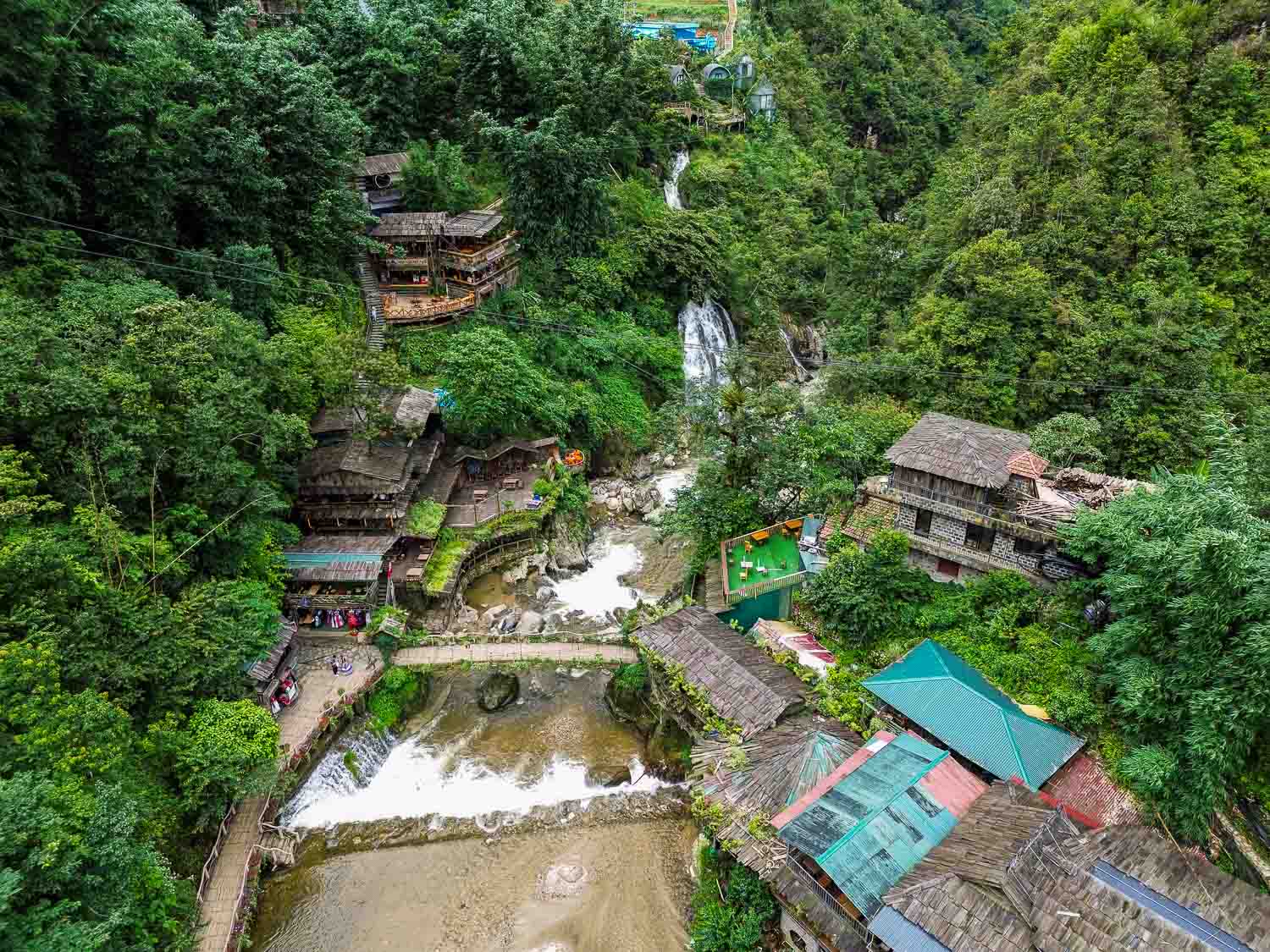
If you’re short on time and want to see a condensed, albeit staged, version of a Hmong village, Cat Cat can fit the bill. It’s especially good if you love photography or are looking for easy-to-access scenic spots. The waterfall is the centrepiece of everything, and I found quite picturesque the river passing right in the middle.
It’s cat cat village a tourists trap?
It’s not, it’s a glimpse, very staged of H’Mong tribe village. If you’re after an authentic experience of Hmong culture, you should look elsewhere.
We found that staying overnight in a local house, combined with a trekking experience, provided a much more genuine insight into local life.
What is Cat Cat Village in Sapa?
Let’s give you a bit of context to make your visit more interesting. Cat Cat Village, or “Cát Cát” in Vietnamese, is a popular tourist attraction located about 3 kilometres from the centre of Sapa town.
Originally established in the 19th century by the Hmong ethnic minority, it’s now primarily a cultural exhibition village rather than an active community.
The name “Cat Cat” is said to derive from the French “Cascade,” referring to the waterfall that’s a central feature of the village.
Today, Cat Cat serves as a living museum of sorts, showcasing traditional Hmong architecture, customs, and crafts. The village is set in a picturesque valley, with terraced rice fields, water wheels, and the ever-present sound of the Muong Hoa Stream, adding to its charm.
How to Get to Cat Cat Village Sapa
Getting to Cat Cat Village is relatively straightforward, which is part of its appeal for many visitors. Here are your main options:
- Walking: If you’re up for a bit of exercise, you can walk from Sapa town. It’s about a 3-kilometre trek downhill, which takes around 30-40 minutes. Just be prepared for an uphill journey on the way back!
- Motorbike: We went by motorbike, which made the journey somehow easy. There is a big parking space, but you must be an experienced driver as the roads are very bad, and you get landslides, mud and water everywhere.
- Taxi: For a more comfortable option, especially in bad weather, you can easily grab a taxi from Sapa town. It’s a short ride, and most drivers will know exactly where to go. Some of the high-end hotels offer a free shuttle.
- Tour Package: You can check this tour which takes you from the accommodation to Cat Cat Village.
- Combined tours: If you want to condense more activities in one day we suggest booking a Cat Cat Village tour and then a hike with a visit to an active H’mong village. Check this tour here.
Cat Cat Village Tickets
The ticket to visit Cat Cat Village costs 150,000 VND ($6 | €5.5 | £4.6), which is quite steep for an attraction of this kind in Vietnam.
However, we were happy to contribute as this fee goes towards maintaining the site as a museum and supporting the local community.
We arrived by motorbike and had to park it at one of the non-official spots before the entrance. It was a lovely lady with a Child and only asked for 10,000 VND. It was a covered parking lot and as it was going to rain, I was more than happy for it.
Here’s what you need to know about tickets:
- You can purchase tickets at the entrance to the village.
- The ticket office usually opens early in the morning and closes in the late afternoon.
- Tickets are valid for a full day, so you can even eat inside the village, get a drink and watch performances.
- The ticket includes access to the cultural centre and every area of the village.

Everything You Need for Vietnam, in One Handy Guide!
A guide about Vietnam, 75+ pages with all our recommendations, best places to visit, where to eat, and things to do.
GET 50% OFF NOW!
What to expect when visiting Cat Cat Village?
As you enter Cat Cat Village, you’ll find yourself on a well-trodden path that winds through the “village.” Here’s what you might encounter:
Instagram Spot: Everywhere you look, there’s a potential Instagram shot. From traditional Hmong houses to artfully placed looms and crafts, it’s a photographer’s playground. Most of the spots on the left side of the river, looking at the waterfall, are fake and only used for photo ops.
Stunning Waterfall: The main waterfall near the entrance is gorgeous. The best thing we have seen in Cat Cat village. Take plenty of photos from the terrace, and don’t miss a walk inside the old pump station.
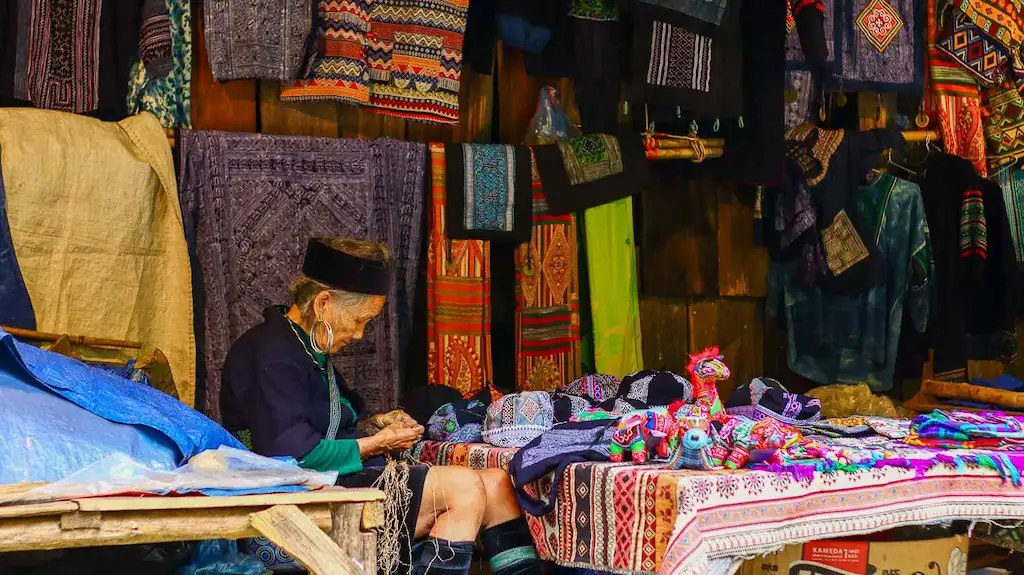
Traditional dresses: Many visitors rent traditional Hmong clothing for photos. Many people call it cultural appropriation, but we have seen it everywhere in Asia, and it looks more like a role-playing game they love.
Craft Demonstrations: You’ll see locals (or those portraying locals) demonstrating traditional crafts. It’s interesting, but take it with a grain of salt.
Shows and Performances: These mostly feature children, which is very bad. They can feel a bit exploitative. It’s up to you whether to watch it or not.
The Old Pump Station: One interesting spot we stumbled upon was the old pump station. Built during the French colonial era, it was responsible for bringing electricity to this remote area of northern Vietnam. Inside, you can browse old photos that show what the village and surrounding area looked like in the past. It’s a fascinating contrast to the curated experience outside.
READ MORE ABOUT SAPA

For further recommendations about Sapa, see this guide.
Sapa itinerary 3 days: a detailed itinerary
Tips for Visiting Cat Cat Village
If you do decide to give Cat Cat a go, here are some tips to make the most of your visit:
- Go Early: Beat the crowds by arriving first thing in the morning.
- Avoid Weekends: Visit on a weekday when it’s less crowded.
- Bring Cash: You’ll need it for the entrance fee and any souvenirs or rentals.
- Wear Comfy Shoes: The paths can be uneven and slippery, so sturdy footwear is a must.
☕ Buy us a coffee!
Our travel guides are free and made with love to help you explore more, spend less, and travel better. Passport and Stamps project is all run at our expenses, and reader founded. If you’ve found our tips and guides useful, we’ll appreciate if you can buy us a coffee.
This will keep the adventures going and support more content like this. Cheers!! ☕🌍

Can you visit Cat Cat village without a guide?
Yes. We did visit Cat Cat Village on our own. No guide is necessary even though they will push you to hire one. The village is well laid out, with a clear path to follow, making it easy to explore on your own.
That’s how to visit Cat Cat village without a guide:
- Follow the Main Path: There’s a clear route through the village that takes you past all the main points of interest.
- Use the Information Boards: Throughout the village, you’ll find boards explaining various aspects of Hmong culture and village life.
- Take Your Time: Without a guide rushing you along, you can linger at spots that interest you most.
- Interact Respectfully: While many villagers speak some English, remember that this is a curated experience. Respect boundaries and always ask before taking photos of people.
Sapa Morning Trek, we suggest:
Why you should go for a real H’mong experience in Sapa
While Cat Cat Village offers a convenient peek into Hmong culture, nothing beats an authentic experience. Here’s why you should consider seeking out a real H’mong village experience in Sapa:
- Genuine Cultural Exchange: In a real village, you’ll have the opportunity to interact with H’mong people going about their daily lives, not just those working in a tourist setting.
- Support Local Communities: By staying in a homestay or participating in community-based tourism, your money goes directly to H’mong families.
- Off-the-Beaten-Path Adventure: Real villages are often in more remote locations, offering stunning scenery and a sense of discovery.
- Learn Traditional Skills: Many homestays offer the chance to learn about H’mong crafts, farming techniques, or cooking methods hands-on.
- Deeper Understanding: Spending time in a real village allows for a more nuanced understanding of H’mong culture, challenges, and way of life.
During our time in Sapa, we had the chance to stay at Sapa’s Soul, which offered a stark contrast to the Cat Cat experience. Nestled in a valley surrounded by rice terraces, we woke to the sounds of village life, got a coffee with a view, and learned more about the valley.
These genuine interactions left us with a much deeper appreciation for H’mong culture than our visit to Cat Cat Village.
While it requires more effort and often means forsaking some comforts, seeking out an authentic H’mong experience can be the highlight of your Sapa trip. It’s a chance to move beyond the tourist facade and connect with the real heart of this fascinating region.

Where to stay in Sapa?
We tried and tested many accommodation while staying longer in Sapa. From cheap $3 guest houses, to luxury hotel with Spa above the rice fields. These are our suggestions for every budget.
Like it or not, Cat Cat Village is the closest representation of a traditional village
We didn’t like Cat Cat Village Sapa as much, but to be honest, we saw people enjoying it and local families making a wage out of it. In the end, whether Cat Cat Village is worth visiting depends on what you’re looking for.
For the sake of our understanding, we decided to go and have our opinion, and there it is. If you want stunning photos and don’t mind a bit of fake layout, go for it.
But if you’re after an authentic cultural experience, you should explore other options in Sapa. We loved our self-exploring afternoon in Ta Van village.