Where to Stay in Sapa: A First-Hand Guide to the Best Areas & Hotels

Is Sapa Town too touristy? We spent our trip trekking the Muong Hoa Valley to find the best area to stay in Sapa. From bustling markets to quiet rice terraces, here is our honest verdict on where to book for the best views.
We love Sapa, but we know the risks of booking a bad hotel or, worse, staying in the wrong location. We recently spent five days on the ground testing every kind of accommodation—from luxury suites with an infinity pool over the rice fields to sleeping on a thin mattress on a village floor.
We’ve done it all to offer our unique perspective on where to stay in Sapa and, ultimately, which is the best area to stay in Sapa.
Where do we love the most? Ta Van Village. There is nothing like the peace of the mountains and a fresh-brewed cup of coffee before a morning trek. However, we know that driving a motorbike on a steep mountain pass isn’t for everyone. That’s why our guide suggests the best places to stay in Sapa town, which we recommend and have tested as well.
Honestly, Sapa has more options in terms of accommodation than we expected. Also, pricewise, we found it really affordable for such a popular destination in Northern Vietnam. Below, we break down each and every area with pros, cons, and our “boots on the ground” suggestions.
Once you have sorted your accommodation, check out our Sapa Travel Guide or find out how many days you should stay in Sapa.
This post includes affiliate links. We may earn a small commission at no cost to you. You can also buy us a coffee to support the site directly. Learn more in our Cookie Policy.

👋Toti & Ale here
London couple, 45+ countries, 300+ guides. We are full-time content creator, travelling as slowmads, running several travel blogs from the best places in the world. Currently in Southeast Asia, loving the culture, the food and the people. This guide is all about our first-hand experience exploring Sapa. Drew from 80 days across 3 Vietnam trips (2023/2025/2026).
March 9, 2026 Refreshed with updated costs, routes, tips and inflation (+10% costs). No AI; all road-tested.
Key Highlights
Sapa Neighborhood Cheat Sheet
- Best for First-Timers: Sapa Town
- Best for Trekking/Views: Ta Van Village
- Best for Budget: Ham Rong
- Best for calm and relax vibes: Hau Thao
Which are the overall best places to stay in Sapa?
We keep two places in Sapa in our hearts. They are very different from each other but have one thing in common: they are managed by local tribes.
Sapa Soul is the second place we stayed in town, located close to Ta Van Village. It offers one of the most exclusive views over the valley. The breakfast with a view is the main highlight. The rooms are cosy, and the atmosphere is quiet.
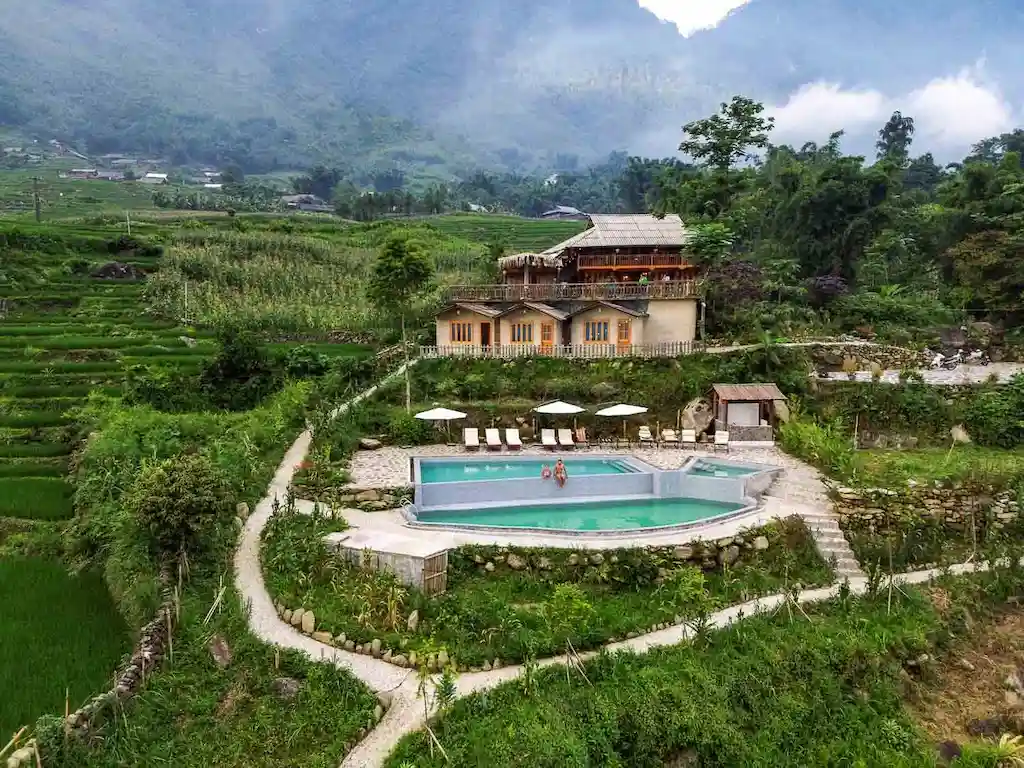
The second place we recommend checking out is Supan Ecolodge & Spa. It’s one of the upper-end, cosy places to stay in Sapa, but what will surprise you is the cost. You will have an infinity pool, a view over the rice fields, a cosy, romantic atmosphere and AC rooms very private for just $20 per night.
🛑 Sapa is Changing: Good to know before book anything!
Before we dive into the areas, here is what the other blogs won’t tell you:
- The Construction Factor: Sapa Town is expanding rapidly. It’s a work-in-progress town, and we witnessed that ourselves. The New Town is busy with a lot of trucks and, of course, noise. A little out of town, after Cat Cat village, you can see the muddy terrain accumulating on the dirt roads, which makes the passage to Ta Van Village harder.
- Taxi options are limited: While Grab (the app) works in town, to be fair, we couldn’t rely on it. There is a limited number of vehicles (cars and motorbikes) that we have almost lost faith in trying. Not talking about the transfer to the villages. That’s not an option. No grab will pick you up for such a drive, and you will rely on local Xe Om (motorbikes) or pre-booked private cars. It goes without saying that it will be costly for you, because there is no fixed fee and you have to bargain a lot.
- Weather is a Micro-Climate: While we had a wonderful time, climate change often offers out-of-season rain or shine. In December and January, Sapa Town can be 5°C warmer than the valleys. That’s why we wore layers even if it was the shoulder season, getting hotter. If you hate the cold, as I do, stay in town; if you want those chill vibes and the midst that does so much aesthetic, head to Ta Van.
⚠️ The Logistics Trap: Don’t Make This Common Sapa Mistake
While we meticulously planned our five-day stay to test every area, we met many travellers who felt “stuck.” The most common mistake we heard? Choosing a nice hotel with a fantastic view over “accessibility” without a transport plan.
On paper, a remote homestay 4km outside of town looks like a peaceful dream. It actually is, but we rented a scooter, so no drama about transportation whatsoever. In reality, many recurring stories tell us the same story: “It becomes a logistical headache.”
- Transport besides your own is a nightmare: If you don’t ride a motorbike yourself, you’ll rely on Xe Om (motorbike taxis) or a local taxi driver who will rip you off. Waiting time is longer, sometimes up to 20 minutes. Short trip costs 50K to 100K ($2/4). If you are lucky, getting you into town from the village can cost up to $10 one way. Doing two round-trips a day for coffee and dinner adds $10–$15 to your daily budget.
- The “Evening Blackout”: Sapa Town is the heartbeat for food, hot pot, and social vibes. Many villages have almost no restaurant options open after 7:00 PM.
- The Safety Factor: We spent our days exploring waterfalls and driving the mountain passes, but we noticed the roads back to the villages are often unlit, have deep potholes, muddy after heavy rains and sit right on the edge of steep 30-meter drops. Walking these at 10:00 PM is not recommended.
Our strategic advice: If you are visiting for less than 3 days, stay in Sapa Town. The convenience of having a heated restaurant and a speciality coffee shop at your doorstep after a freezing trek is worth more than a misty rice terrace view from your window. Save the deep-valley homestays for when you have 4+ days and can truly afford to “unplug” without needing to head into town every night.
The best area to stay in Sapa MAP
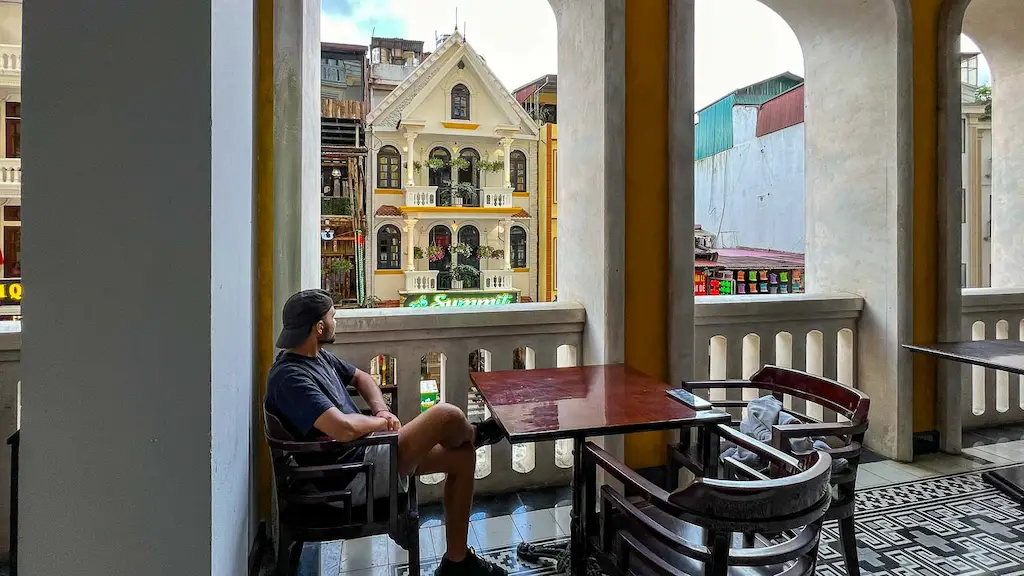
Best four areas to stay in Sapa
During our Sapa tour, we travelled extensively, pushing our cranky scooter to the limit. We went up and down the town to visit remote places and stay at the most cosy accommodations. We selected four of the best areas to stay in Sapa, which will make everyone happy.
| Area | Vibe | Best For | Transport to Town | Prices |
| Sapa Town (Center) | Bustling & Social | First-timers, Foodies | 0 mins (Walking) | High |
| Mường Hoa Road | Views + Convenience | Photography, Luxury | 5-10 mins (Taxi) | Medium |
| Ta Van Village | Authentic & Remote | Trekkers, Slow Travel | 30 mins (Road) | Low |
| Cat Cat Area | Touristy but Iconic | Instagrammers | 15 mins (Steep walk) | Medium/High |
Sapa Town | Best for Foodies & Nightlife (but noisy)
CENTER OF ACTION | NO TRANSPORT NECESSARY | $$$
If you want to step out of your hotel and immediately be surrounded by specialty coffee shops, hot pot restaurants, and the buzz of the night market, Sapa Town is the best area to stay in Sapa.
During our five days, we found that staying in town was the ultimate “stress-free” base. You don’t need a motorbike to find a great meal, and you’re within walking distance of the Sun Plaza (for the Fansipan cable car) and the Stone Church.
However, within Sapa town, there are affordable accommodations which let you walk around the main sights and take taxis or tours just when you need to.
Staying here means that you have everything at your walking distance, even Cat Cat Village.
Our Top Choice: Sapa Paramount Hotel ($23/night)
We spent our first few nights at the Sapa Paramount Hotel, and for $23 USD, it was the perfect “value-to-view” accommodation. We stayed in their Deluxe Double Room with Lake View, and it was easily the highlight of our town stay.
- The View: On a clear day, the mountain peaks are visible, but the real magic happens in the morning when the mist sits low on Sapa Lake. It is insanely cinematic.
- The Room: Perfectly sized with a small balcony and a chair where I enjoyed my coffee every morning.
The “Pro” Detail: If you’ve travelled in Northern Vietnam, you know that “hot” water can be a gamble. Here, the showers were steaming hot with excellent pressure—exactly what you need after a day of exploring.
Other places in Sapa town we suggest checking
CONS OF STAY IN Sapa Town centre is currently very busy with new hotels. If you want the ‘authentic’ rice paddy view you see on Instagram, you MUST stay in Ta Van or Muong Hoa Valley.
Ta Van Village | View and hiking paths
20 MINUTES FROM TOWN | BEST VIEW | $
We stayed in this area for two nights, trying out two of the best overall accommodations in Sapa for us: Sapa Soul and Supan Ecolodge.
As we mentioned, Ta Van is the area we love the most. Located about 10km down in the Muong Hoa Valley, it offers the “postcard” Sapa experience that the town centre lacks.
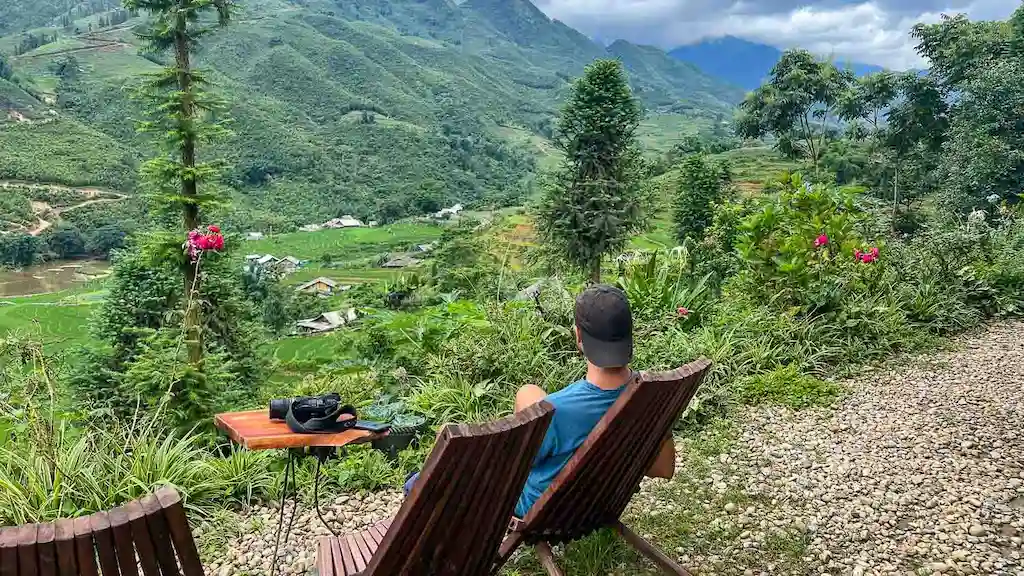
During our five days, Ta Van was where we actually managed to relax. There is something meditative about the Muong Hoa Valley—the way the clouds sit in the rice terraces at 7:00 AM is something a photo simply can’t capture.
The “Coffee & Calm” Morning Routine
Our favorite part of staying here? The mornings. We would sit on our homestay balcony with a fresh-brewed Vietnamese coffee, watching the ethnic Hmong and Giay villagers begin their day in the fields. If you are a fan of “slow travel,” this is your paradise. It’s the perfect jumping-off point for treks to Lao Chai or the Giang Ta Chai waterfall without needing a transfer.
Cons of ta van is the logistic
While we loved the peace of Ta Van, we have to be honest about the trade-off.
- The Food Factor: While we had dinner at our homestays, very hearty ones with simple products, the restaurant options in the village are limited and often close early.
- The Transport Factor: In 2026, a taxi from Sapa Town to Ta Van costs between 150,000 – 180,000 VND ($6–$8). You will have hard time to find a taxi on the other way. If you do this every night, it adds up. If you aren’t comfortable driving a motorbike on steep, muddy paths, factor this cost into your budget.
If you decide to stay in Ta Van Village, you must rent a scooter (We rented here, and everything went smoothly, even though our scooter wasn’t the best, the price was cheap, 480K VND.)
Where to Stay in Ta Van:
- For the Experience: Supan Ecolodge. While they call it an eco-lodge, it was for us a pumpered stay. Supan Ecolodge is the best accommodation we stayed in our entire trip in Sapa and actually suggest to family and friends. Breakfast was good, dinner was traditional and the infinity pool just amazing. Read our Supan Ecolodge Review.
- For an authentic stay: We loved our relaxing morning by the garden of Sapa Soul. If you want the Ta Van views but need a “real” mattress and a heater, this is the spot.
- Our Hidden Gem: Sapa May Homestay. We loved the balcony views here; it feels like you are suspended over the rice fields.
💡 Why Ta Van Wins for Long Stays
If you have 3+ nights, spend at least two of them here. The secret that we experienced ourselves and love to share is this: Don’t just visit Ta Van on a day trip. The magic happens after the tour groups leave at 4:00 PM and the village returns to its quiet, authentic self. There you need to sit, calm down, tea in your hand and listen to the valley!

Ham Rong area (downtown)
EASY REACH FROM SAPA TOWN | SOCIAL HOSTELS | $$
Before leaving Sapa, we decided to change scenery and accommodation amenities to get to the other side. When coming to town by bus from Hanoi, you pass the Ham Rong Area.
It’s “downtown” Sapa and most of the budget accommodations and hostels are located there. You can walk to town in about 30 minutes, but if you decide to stay here, we suggest renting a scooter.
If you are a backpacker looking for a cheap homestay, Ham Rong is perfect. We suggest checking Pea Homestay. The accommodation is very basic, with a mattress on the floor, but it also offers private rooms for just $3. Yes, it was a bargain, and we met a bunch of backpackers and went on a motorbike adventure on Sapa Pass and Silver Waterfall.
If you want a better hotel, look into the Charm Hill Sapa Hotel. It’s in the same location but has different vibes. The double room starts at $20 per night (€18 | £15).
Muong Hoa Valley | Traditional Hmong Villages
40 MIN FROM TOWN | NOT MUCH AROUND | $$
Muong Hoa Valley is where to stay in Sapa for trekking without a guide. You can stay in a local house, contributing to the villagers economy, and just walk through the paths.
Most of the accommodation offers trekking and stay plans, which are often for at least two nights. We suggest booking at least 3 nights Muong Hoa Valley.
Your favourite place, we recur suggesting is Hmong Sister House and Trekking, which is about 6 Kilometres away from Sapa town. It’s tucked away, so no need to get around for dinner, it’s right there in the guesthouse and locally sourced.
The Standard Double Bed Private Shared Bathroom costs only $8 (€7 | £6) per night. You will sleep on a mattress on the floor in a wooden house, surrounded by rice fields and forest.
I bet you will get the best sleep of your life. Staying here, you will get to know the true local lifestyle in a Hmong family and even sign up for 2-day-1-night treks.
Hau Thao: The Untouched Ridge of the Muong Hoa Valley
AUTHENTIC | $$
We chose to stay near Hau Thao, just outside Sapa’s main area, to enjoy tranquil rice-terrace scenery and escape tourist crowds. This spot gave us a peaceful setting for daily scooter rides and access to hiking trails. Although the village is only beginning to develop homestays and hotels, we found its local trekking opportunities authentic and appealing.
Each day, while walking the dusty village roads, we regularly met members of Hau Thao’s Black Hmong community, easily identified by their distinctive indigo fabrics displayed outside their wooden homes. These daily interactions grounded our experience in the life of the village.
We balanced immersion and work by hiking local bamboo forest trails and exploring Hau Thao’s Ancient Stone Field, where Sapa felt genuine rather than commercialized. Working remotely was seamless, thanks to reliable hotel Wi-Fi and mobile connectivity. When we wanted lively energy, we visited Sapa in 30–40 minutes; for calm, we stayed local and connected with neighbours via translation apps. Our stay combined meaningful local experiences, productivity, and easy access to town.
Is it better to stay in Sapa Town or the Valley?
While we definitely agree that Sapa Town offers convenience, a variety of restaurants, and easy transport links, it can feel noisy, crowded, and overly commercialised.
In contrast, staying in the valley—specifically in villages like Ta Van or Lao Chai—allows you to wake up to panoramic views of rice terraces and the sound of distant mountain waterfalls. You’ll be closer to the trekking trails and local Hmong culture, trading souvenir shops for genuine tranquillity and interactions.
For an authentic mountain escape, we will trade Sapa Town for a soul-stirring perspective, staying in the villages surrounding Sapa and in the valley.

Everything You Need for Vietnam, in One Handy Guide!
A guide about Vietnam, 75+ pages with all our recommendations, best places to visit, where to eat, and things to do.
GET 50% OFF NOW!
Best places to stay in Sapa
On a budget
Affordable rooms start from £9 per night and have an amazing view over the mountain. This was our favourite accommodation in Sapa.
Mid-Range
The most comfortable accommodation, amazing rooms, unique views and refreshing pool!
Hotel de la Coupole – MGallery
The French Haute-inspired hotel is the fanciest in Sapa, standing out within the local architecture right in the centre of Sapa. From here, you can also take the unique funicular to the top of Fansipan.
Aliana Boutique Sapa Hotel & Spa
It is one of the most stylish accommodations in Sa Pa, at a reasonable price. Enjoy the outdoor swimming pool with an outstanding view. It is one of the best accommodations in Sapa for families and couples.
Surelee Homestay
You don’t have to spend a huge sum to enjoy a retreat in Sapa. Surelee homestay doesn’t have the fancy features of the above but delivers one of the most authentic experiences. The price is perfect for budget travellers, but it gets sold out easily.
Sapa Mountain Queen House
The features at Sapa Mountain Queen House permit you to stay longer in town. Preferred by young couples, the facilities are in a tranquil area of Sapa but still within walking distance of the centre and the main attractions.
How many days should I stay in Sapa?
3 or 4 days are our recommended time to spend in Sapa. However, depending on your travel style and your necessities, you can stay longer. The town is active, and there are many things to do within Sapa town and nearby villages.
You can fill one week in Sapa easily, and it also works out perfectly if you are a budget traveller or backpacker. As internet connection is fast and reliable everywhere, Sapa is an ideal destination for Digital Nomads, too.