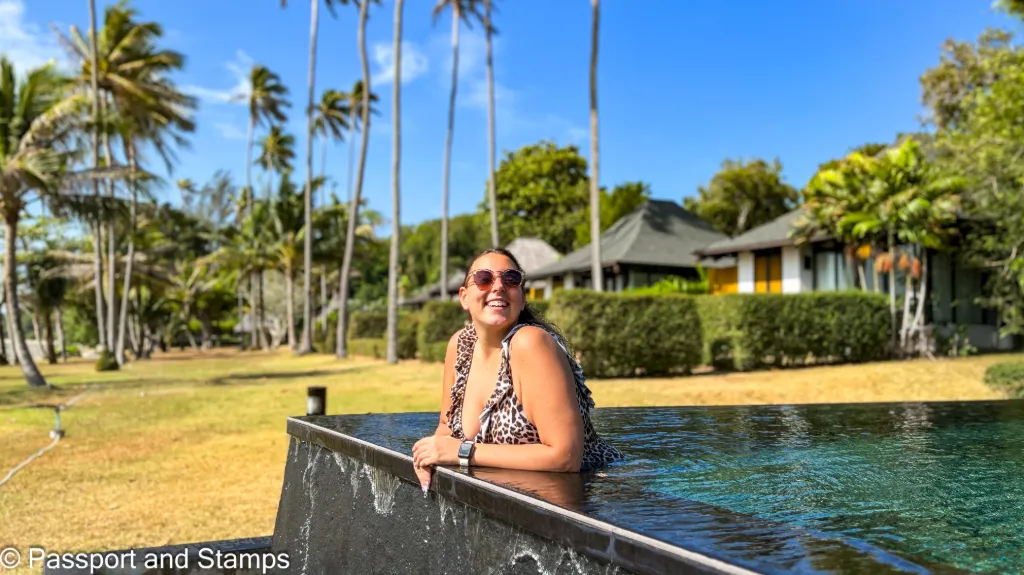
The Ultimate 2-Week Northern Thailand Itinerary: Hidden Gems Included

Nine trips to Thailand later, this is the Northern Thailand itinerary we keep coming back to: two weeks through Chiang Mai, Pai, the Mae Hong Son Loop and Chiang Rai, packed with the honest tips, real costs and hidden gems we’ve picked up along the way.
We loved travelling around northern Thailand as it offers a different perspective compared to the south and islands. Exploring this part of the country through our Northern Thailand Itinerary, you will discover that the people are more friendly, and the territory offers more cultural activities and natural landscapes.
To date, we have been to Thailand about nine times, and it has always been incredible. We have spent so long in Northern Thailand, returning every time to explore more and constantly extending our initial plan.
The plan you are about to get on is one of the most memorable trips of our journey in Southeast Asia. Following our footsteps, you will get the best of 2 weeks in Northern Thailand.
Through this itinerary, you will discover the fantastic Chiang Mai, travel to the northern chilled town of Pai, embrace an adventure on the motorbike, be surprised by the charm of Chiang Rai and more.
The beginning of this adventure in Northern Thailand for two weeks starts in Bangkok. We dive into itinerary, budgeting, insurance and requirements to travel in Thailand.
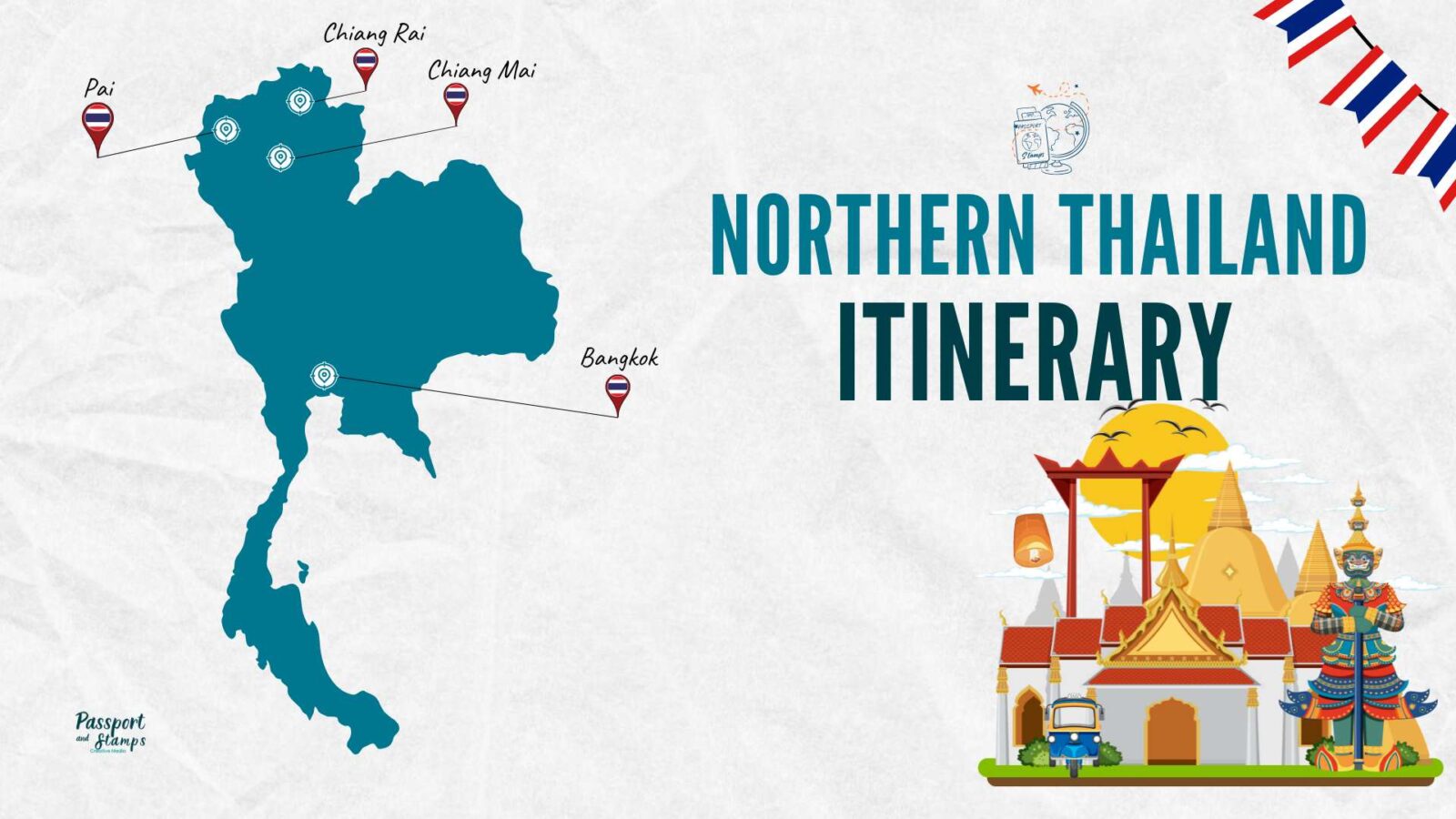
Northern Thailand 2-Week Itinerary Map
Overview of Northern Thailand Itinerary
So there you have it – a rough blueprint for an incredible Northern Thailand Itinerary over the course of two weeks within one of the most beautiful countries in the world and our favourite overall.
Actually, we have a great guide about Thailand that you can download for free by subscribing to our newsletter.
2 Weeks Northern Thailand Itinerary
Spend 2 days in Bangkok
Our Northern Thailand journey began in the bustling capital city of Bangkok. It is the port of entry for every traveller. We pass by this city every time, as it has the most interesting international hub and airports to get you everywhere you want.
We suggest you spend at least two days in Bangkok. If it is your first time in Bangkok, stay in Khao San Road or Sukhumvit area for easy travel around and the main sights. Also, read our guide to Bangkok for first-timers.
Two days will give you time to recover from an overseas trip (we always get jet lag) or explore the main sights. You must note down:

If you have time, visit Ayutthaya!
After exploring the vibrant streets, temples, and markets of Bangkok, we ventured to the historic city of Ayutthaya, a UNESCO World Heritage Site.
We ended up spending a whole week in Ayutthaya. By day we worked as digital nomads. By evening we wandered the ruins once the crowds had left. We skipped the tourist side of the river. Instead, we found a local public boat near the train station. It cost just a couple of baht each way and took us to the quieter side of town.
Where to stay in Bangkok?
The Somerset Rama is in Huai Kwang District, and it was a surprise to see how easy it was to reach the centre.
We stayed over the weekend and so able to walk to Chatuchak Market for that dose of dopamine you need while in Bangkok.
Get from Bangkok to Chiang Mai
There are many ways to get from Bangkok to Chiang Mai. Our favourite mode of transportation is by taking the overnight sleeper train from Bangkok arriving the day after in Chiang Mai. If you are willing to embrace the adventure, read our guide here.
Definitely, this is the budget option to reach the capital in the north and start exploring the country. However, the quickest way is to get an internal flight, which takes approximately 1 hour.
If you act fast and within 3 weeks in advance, the ticket for the flight might cost exactly the same as a 2nd class AC ticket on the sleeper train. Check the availability here.

Transport options from Bangkok to Chiang Mai
The fastest way to reach Chiang Mai from Bangkok is by taking a flight from Don Muang Airport. Chiang Mai has an international airport, which is well connected through budget airlines and can take you to Vietnam, Laos, Cambodia, Malaysia and other countries too.
If you are coming to Thailand from another country in the continent, you can bypass Bangkok and head straight away to Chiang Mai by flight. You can book your flight here
Our favourite way to get around Thailand and minimize our travel impact is by taking trains. There are day and night trains that cover the route from Bangkok to Chiang Mai.
There is only one train station in Chiang Mai; instead of Bangkok, you can get either your couch from Bang Sue or Don Mueang. The journey might take about 10 to 15 hours, often delayed. The prices for the ticket vary from 400 THB to 1000 THB. Act fast to get the best price. Book a train from Bangkok to Chiang Mai, Thailand.
We took the overnight bus again on our most recent trip, and the experience varies wildly. Our bus left over an hour late from a tiny shop on Samsen Road. There was nowhere to store luggage while we waited, and boarding was a confusing scrum with no announcements. Once on board, the seats reclined enough for a decent sleep. But there were no power sockets, water or snack vouchers (some buses offer these, ours didn’t). The aircon was fierce too, we both woke up with sore throats.
Most of the buses depart every hour from 5.30 am to 11 pm from Mochit Bus Terminal in Bangkok. Tickets cost about 600 THB, depending on the kind of bus and amenities.
You can book directly at the bus station and present your passport, or book online here. Tickets sell fast. All buses arrive at Chiang Mai Bus Terminal Arcade 2. We picked Arcade 3 as our stop, close to a 24-hour McDonald’s, a popular recovery spot for backpackers after the overnight journey.
Day 3 and 4: Enjoy Chiang Mai
Chiang Mai is one of the most popular cities in Thailand, and it’s no secret that we love it. We’ve returned again and again over the years, most recently spending a month and a half based here, and it still feels like there’s always more to explore.
Your itinerary of northern Thailand will start from here, one of the most ancient cities in the country. If you arrive by flight, the airport is conveniently located just 10 minutes away by car from the centre. In Chiang Mai, you will find cute coffee shops and a lot of Digital Nomads and expats who call this city home.
The city also boasts great night markets (famous is the Sunday night market of Chiang Mai), ancient temples and fantastic day trips. Although Chiang Mai is one of the largest cities in Thailand you will find the centre quite compact and walkable, perfect for foot exploration.
Among the main sights, visiting Chiang Mai, Wat Suthep, Wat Lok Moli, Wat Chedi Luang and the furthest away, Doi Inthanon, as a day trip.
Our friends at the condo, long-term Chiang Mai expats who know all the local tricks, pointed us to a great vegetable market. It’s held weekly by the old town, along Wichayanon Rd on the riverside. Vendors sell straight from their car boots: think a kilo of tomatoes for 20 THB, a whole coconut for 20 THB, and a week’s worth of fruit and veg for around 200 THB.
If you fancy a break from the city, we drove our scooter up to Mae Kampong with friends for the day. It’s about an hour from central Chiang Mai on a good road that turns mountainous, with waterfalls, riverside coffee shops and a cute canal village. Budget half a day for the village alone, or a full day if you want to stop at the cafes along the way.
Where to stay in Chiang Mai
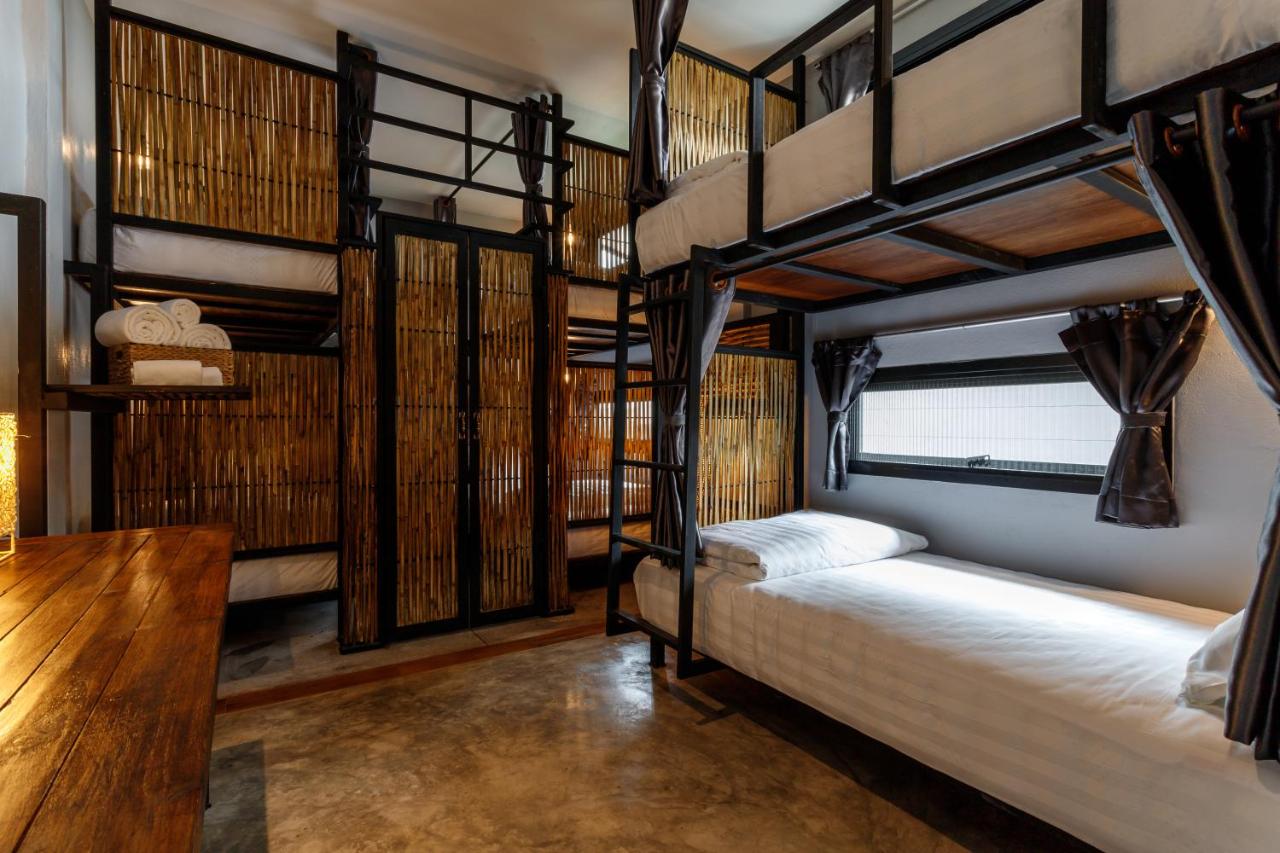
HOSTEL ONE ART
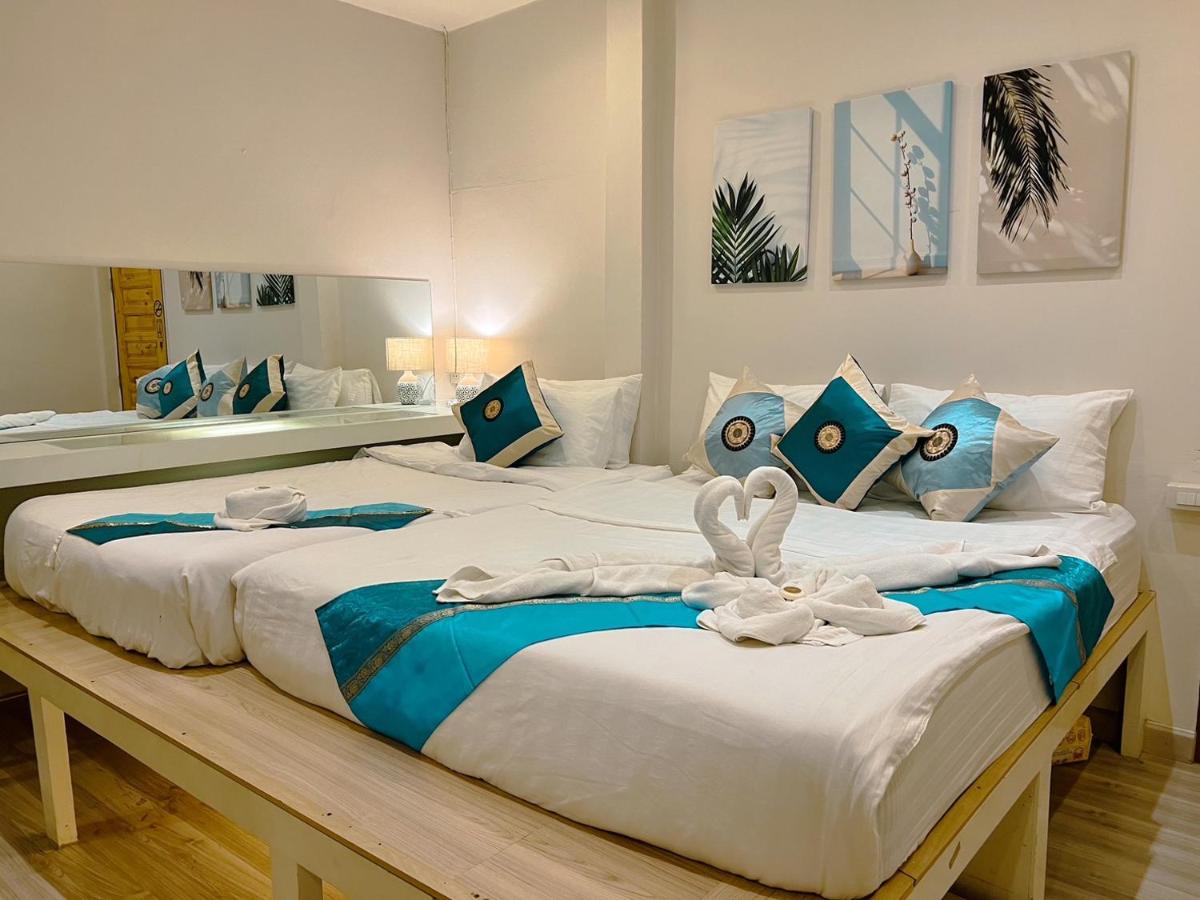
PURE STAY CNX
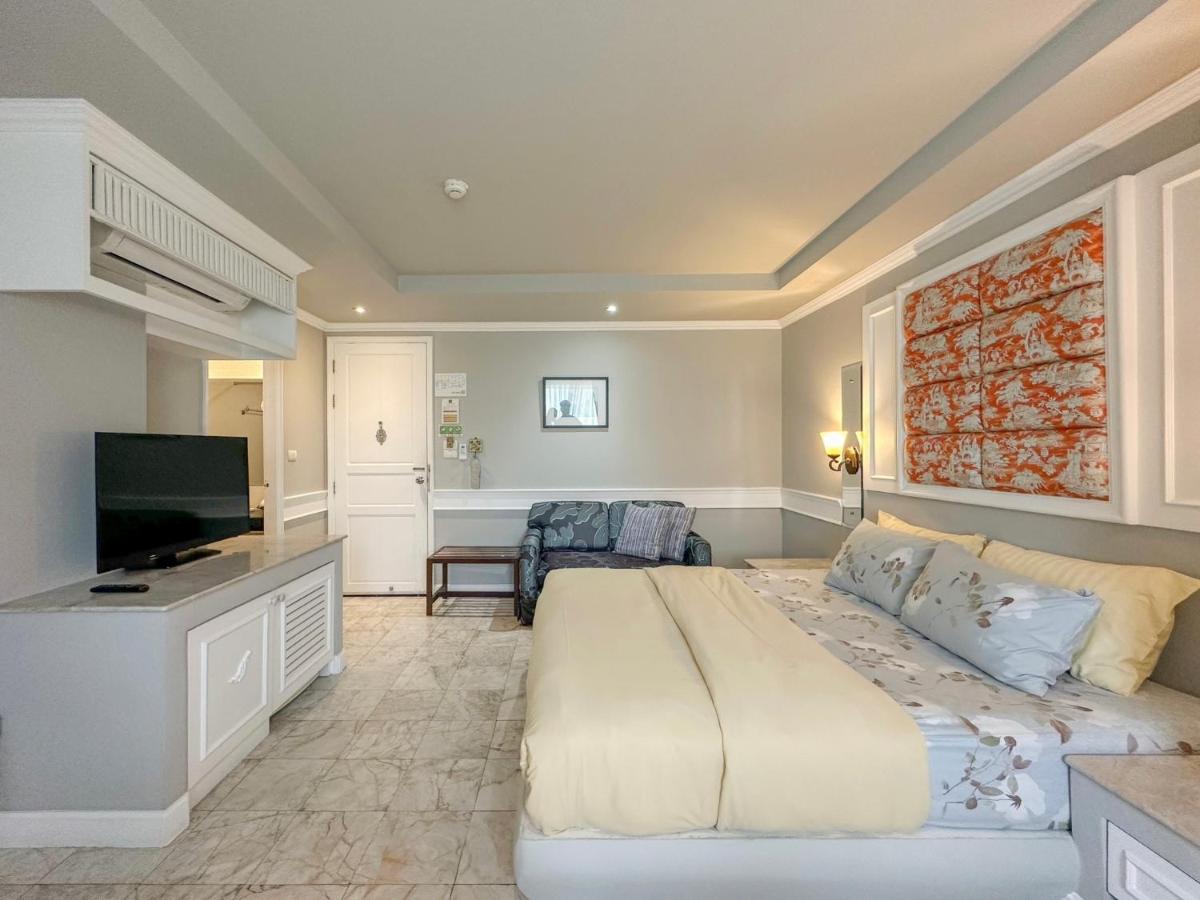
PINGNAKORN HOTEL

VIENG MANTRA HOTEL
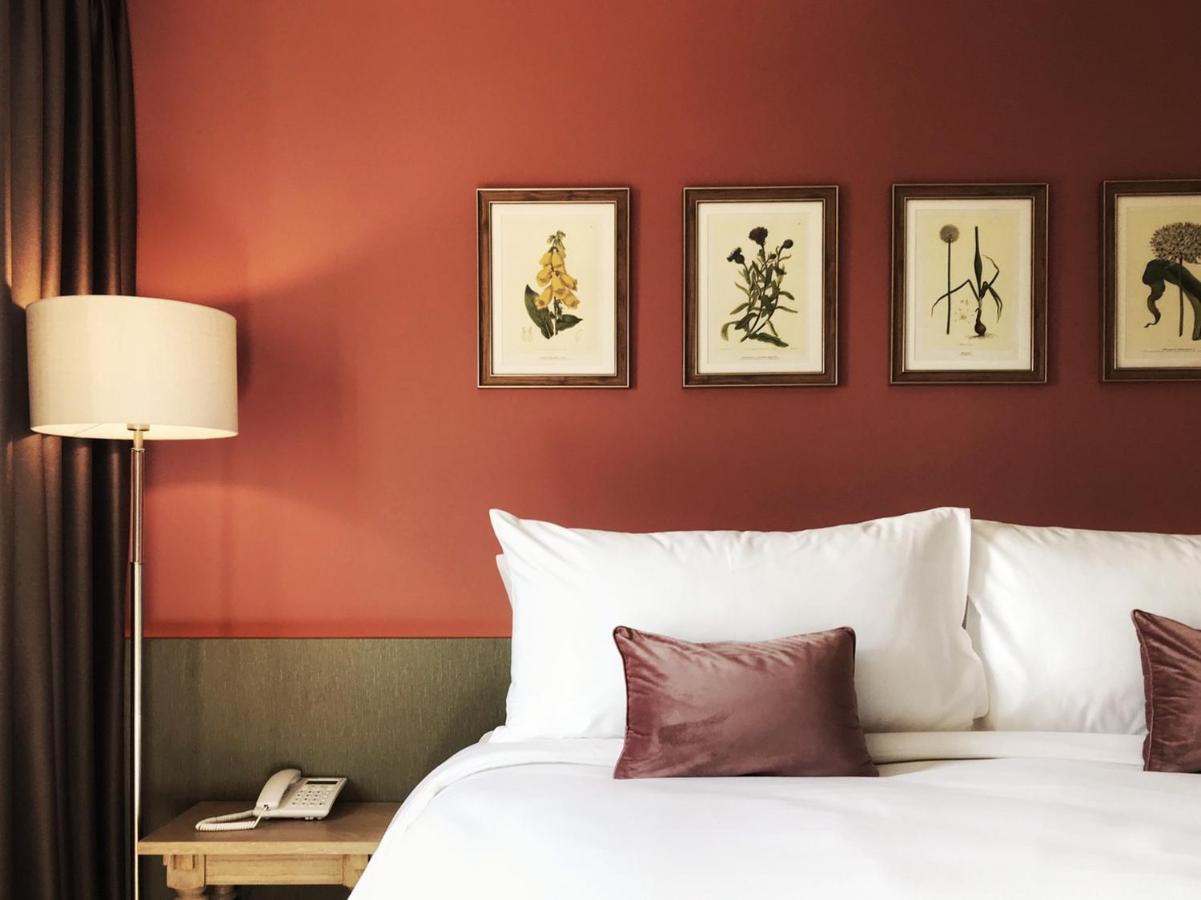
RAINTREE HOTEL
Scroll for more —>
One of our favourite things to do in the city is a local food tour. Ours took us through old-town markets and small family-run restaurants. We tried a khao soi shop with an 80-year-old recipe.
We stopped at a spot loved by Thai celebrities for its slow-cooked pork. We even met a family who has roasted pork belly and chicken in clay ovens for seven decades. If you only try one thing, make it the khao soi. It’s noticeably less coconutty here than in the provinces further south.
Day 5: Explore the highest peak in Thailand – Doi Inthanon
After two days of exploring Chiang Mai, it’s time to embrace the adventure beyond the boundaries. We joined this trip and explored Doi Inthanon National Park with a local guide. We were amused by the stunning view, the powerful waterfalls and the unexpected fresh air.
Doi Inthanon National Park is the highest mountain in Thailand, perfect if you are into hiking and walking. The location is just 1 hour and a half from Chiang Mai, and you can reach it also on your own by renting a motorbike.

Day 6: Travel to Pai
This town is often skipped by first-time travellers to Thailand and is mainly a route for backpackers and hippies. Three hours away from Chiang Mai, the mountain village of Pai is becoming one of the latest chilled digital nomad hubs in Southeast Asia.
The popular backpacking destination is also the starting point for the Mae Hong Son Loop. However, stay here for a few nights to enjoy the atmosphere, recharge, and explore.
Despite what you think, there is a lot to do in Pai. From the red-dusted canyon to the incredible sunset view from the Big Buddha (Wat Phra That Mae Yen), we loved our time here.
Pai is unspoiled and looks like it is still in time, with a picturesque landscape. The city seems quiet, but there are many bustling bars open until late at night. In fact, make sure you are exploring the centre, walking through the Pai Night Market, full of food options and shops.
Read all our guides about Pai

A GUIDE TO PAI CANYON

AMAZING THINGS TO DO IN PAI

SAI NGAM HOT SPRING PAI

IS PAI WORTH VISITING?
How to get from Chiang Mai to Pai
Pai is about 3 to 4 hours from Chiang Mai, depending on traffic. Be aware that there are several turns, so if you have problems with it, hop in a 7-11 to buy pills for motion sickness (these are cheap, just 5 THB). There are different ways to get to Pai from Chiang Mai:
By Car: Getting to Pai by car is the easiest way, as there is only one road to get up the mountains. We suggest renting a car in Chiang Mai airport to get the best deal, or book in advance here.
Shared Van: The cheapest option to get to Pai is booking a shared van from Chiang Mai Arcade 1. The cost of the trip varies, but if you book in advance, you can get a bargain for just 220 THB ($6 | €5.5 | €4.7). If visiting Thailand in the high season, book in advance. Check availability here.
Motorbike: If you are going to embrace the journey on the Mae Hong Son Loop, you can rent a bike in Chiang Mai (and save some bucks). This is an adventure like no other, riding the bike on the hills to reach the mountains. Be aware that there are 762 turns, which is fun if you know how to drive a bike.
Where to stay in Pai
ON A BUDGET:
MID-RANGE:
LUXURY:
Day 7 to 8: Explore Pai and its surroundings
The next few days in Pai are a mix of chilling and exploring. It was unexpected for us, so we rented a scooter to have the best time and flexibility to get around at our own pace. Pai is an important part of your Northern Thailand itinerary, so make sure you don’t skip it.
Even though Pai is just a small village, it is filled with many incredible things to do. Surely you must note down to explore Pai Canyon. The perfect time is sunset, but we were there at sunrise, too, and it was equally epic. Immersed in the hills, you will also find a fantastic Chinese Village. Make sure you pin on your map Yun Lai Viewpoint.
At sunset, we suggest renting a scooter to reach the Big Buddha, one of Pai’s main attractions. Get some snacks and a drink and wait for the blue hour from the top of the worship place.
Driving through Pai, we also stumbled on a cute coffee shop with a perfect view of the mountains and the valley. It’s an unusual stop compared to the rest of Thailand, but we always appreciate the slower pace here.
Highlights of Pai:
- Pai Canyon: Perfect for an evening hike to watch the sunset
- Hot Springs: Relax in the natural hot springs that dot the area
- Pai Walking Street: Each evening, Pai’s main street transforms into a vibrant market with food stalls, crafts, and live music
- Tham Lod Cave
Day 9 and 10: Embrace an adventure on the Mae Hong Son Loop
Mae Hong Son City is one of the most underrated places in Thailand, mostly known to adventurers tackling the Mae Hong Son Loop. We finally completed the full loop on our most recent trip, and it’s genuinely one of the best experiences we’ve had in Northern Thailand, though not for the faint-hearted rider.
Along the loop, we passed the Thung Bua Tong sunflower fields, the largest in the area, with intense yellow blooms contrasting the green mountains behind. It’s one of the best hidden gems on this route.
The loop also takes you through Mae Sariang, though the road on to Khun Yuam can be rough in places, with stretches of new asphalt being laid and long empty patches with nothing but farmland. Don’t miss the temple hopping by visiting the 3 “Chom” temples: Wat Chom Thong, Wat Chom Mon, and Wat Chom Kitti.
Be aware that driving the Mae Hong Son Loop is no small undertaking. You need to be a confident, experienced rider.
Expect around 1,864 curves in total (locals will quote you different numbers, but that’s the official count). There are also long stretches of cold mountain air, even in the dry season. We finally completed it on our latest trip after years of talking about it. It’s genuinely one of the best driving experiences we’ve had anywhere in Southeast Asia.
Get Travel Insurance before embracing this adventure
While travelling, we incurred many problems, often witnessed accidents, and hoped for the best. Well, before every trip, we always get insured, and our partner is Safetywing, the most reliable and also cheapest for backpackers and digital nomads. Check our honest review of Safetywing to get an overview of what they offer.
If you are planning your northern Thailand itinerary, get a quick quote on the side. Having travel insurance gives you peace of mind, ensuring that every trip is covered and safe, especially when riding a motorbike.

Day 11: Travel from Pai to Chiang Rai
On day 11 of your trip through the north of Thailand, you will discover another incredible place: Chiang Rai. If you rely on public transport (local private vans) to get from Pai to Chiang Rai, you must pass by Chiang Mai.
To minimize your transportation time, we suggest hopping off the van from Pai and catching the first option to Chiang Rai, arriving in the afternoon in the northernmost city.
Chiang Rai is about 3.5 hours away from Chiang Mai (Read how to get there) and is often seen as a mere day trip destination. If you are travelling by car, you can reduce travel time by half without needing to pass through Chiang Mai. The other easiest alternative is to check out some of our suggested tours from Chiang Mai.
Where to stay in Chiang Rai
Chiang Rai offers many accommodation options, from hostels to budget-friendly guest houses. Most of the city is walkable, and it is very pleasant to enjoy the markets and main sights. You can also get a more high-scale option by staying in a resort or boutique hotel, which might add more to your overall trip.

Day 12 and 13: Explore Chiang Rai
Spending two days in Chiang Rai is more than enough time to explore the best things to do. Start the day slowly with a fantastic coffee in a local roastery. Coffee in this part of Thailand is absolutely fantastic.
Temple hopping is a top activity in Chiang Rai. Spend the morning exploring the unique White Temple, one of our favourites in Thailand.
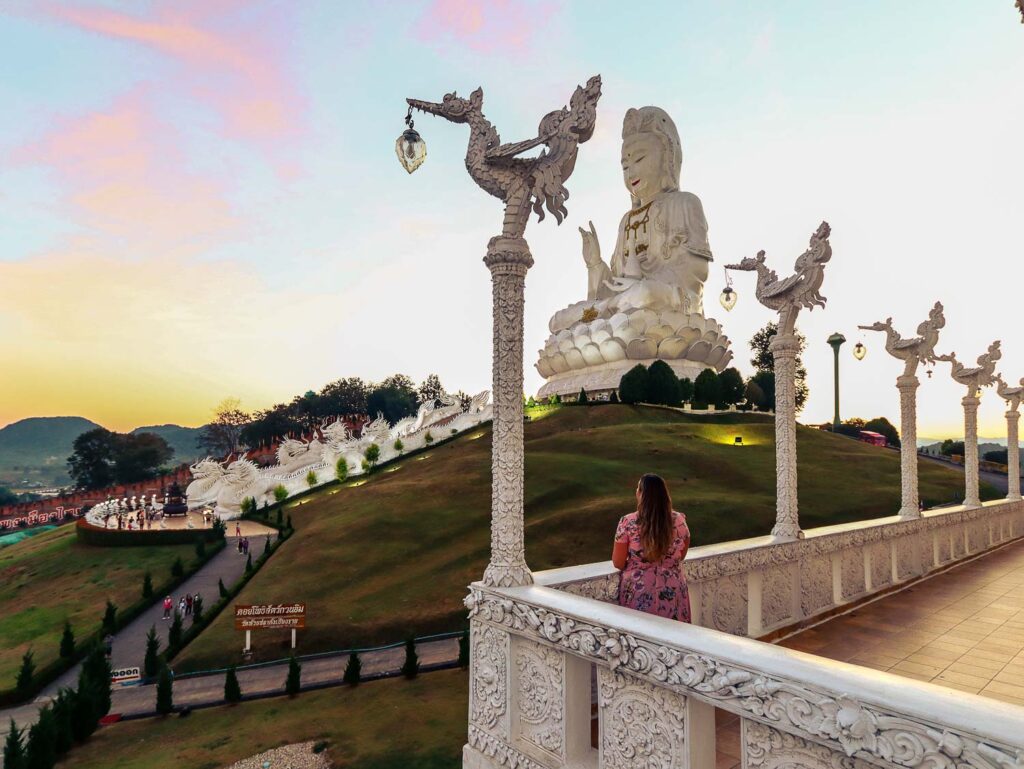
The afternoon is all about the Blue temple, which will blow your mind, as it is unusual to see bright blue for a traditional Buddhist temple. At sunset time, don’t miss the chance to witness some of the best colours in the sky at “Lady Buddha” or the God of Mercy. Wat Huay Pla Kang in Chiang Rai is often referred to as Big Buddha for the giant statue, in feminine resemblance on the hilltop.
End the day walking at Chiang Rai night market in the city centre. This market is open to the public every day, and an inviting (and cheap) food court offers seafood, meat, and veggie dishes from Northern traditions.
Highlights of Chiang Rai:
- White Temple (Wat Rong Khun): This contemporary, unconventional temple is one of Thailand’s most famous landmarks.
- Blue Temple (Wat Rong Suea Ten): Another striking temple known for its vibrant blue colours and intricate designs.
- Lady Buddha (Wat Huay Pla Kang): A massive statue that offers stunning views of the surrounding area.
Day 14: Travel back to Chiang Mai
It’s time to head back home; if your destination is internationally or back to Bangkok, you might have to catch a flight from Chiang Mai. Due to the distance and necessary checks before onboarding, we suggest timing your departure from Chiang Rai wisely.
If you are willing to continue the adventure, we suggest checking our Thailand Itinerary for three weeks, which explains how to pass the border with Laos. Another great adventure can be spending two days on the Mekong River on a local boat to reach Luang Prabang. Read this guide.
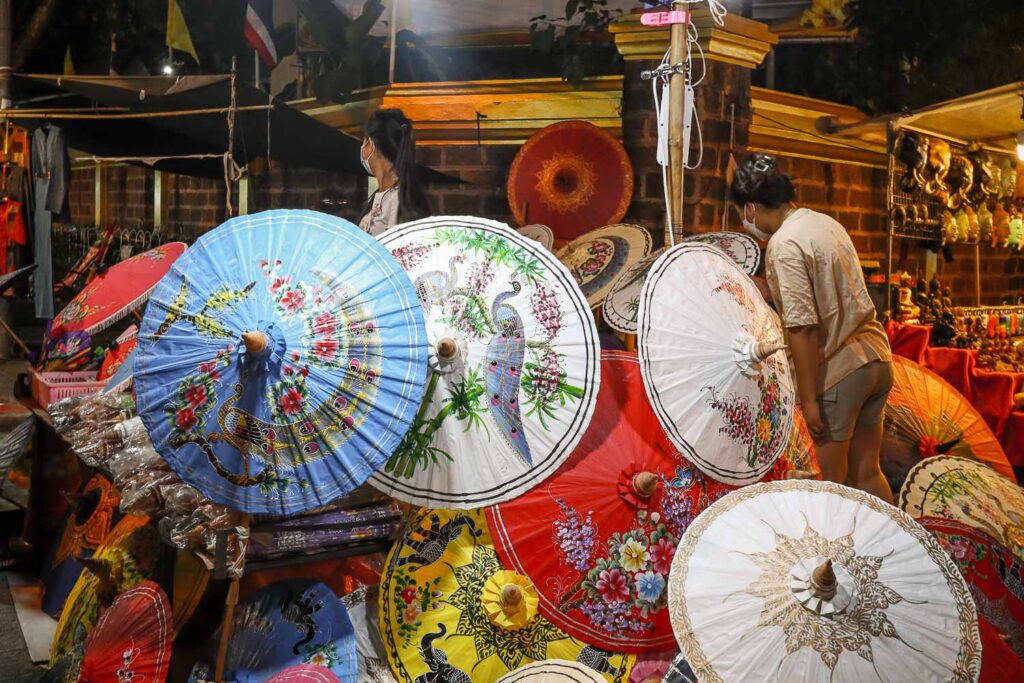
Twist your Thailand Itinerary in the North
To add a bit of adrenaline to your trip, write down the following experiences. You are in the popular Golden Triangle, where Thailand meets Laos and Myanmar. This region is rich in history and offers plenty of opportunities for adventure.
We visited Northern Thailand before crossing the border to Laos and starting an incredible adventure on the Mekong River. It’s a fantastic way to save money on flights while backpacking through Asia.
Highlights of the Golden Triangle:
- Hall of Opium: Learn about the region’s history at this fascinating museum.
- Boat Trip on the Mekong River: Take a boat ride to see where the three countries meet.
- Chiang Saen: Visit this ancient city to explore historical ruins and temples.
Best time to visit Northern Thailand
The best time to visit Northern Thailand is during the cool and dry season, typically from November to February. Picture this: clear skies, comfortable temperatures, and vibrant landscapes just waiting to be explored.
Whether you’re trekking through lush jungles, marvelling at ancient temples, or indulging in mouth watering street food, this season offers the perfect backdrop for your adventures.
Plus, with festivals like the Yi Peng Lantern Festival lighting up the skies, there’s never a dull moment. Read our guide to the best time to visit Chiang Mai for a better
One thing we always mention to friends planning this trip: avoid February to April if you can. This is burning season in Northern Thailand, when farmers clear fields and forest fires push air quality to some of the worst levels in the world. We’ve been caught in it twice, hazy skies, sore throats, and Doi Inthanon barely visible from the viewpoint. If you’re sensitive to pollution, aim for our recommended window instead.understanding.
How to get around Northern Thailand
Renting a car gives you the ultimate freedom to stop at your own pace whenever you see something that attracts your attention. Thailand has well-maintained roads and scenic routes; driving through the region is fantastic.
Plus, you can tailor your itinerary to suit your preferences, whether it’s chasing waterfalls, visiting hill tribe villages, or indulging in local delicacies along the way. So, buckle up and get ready for the adventure of a lifetime!
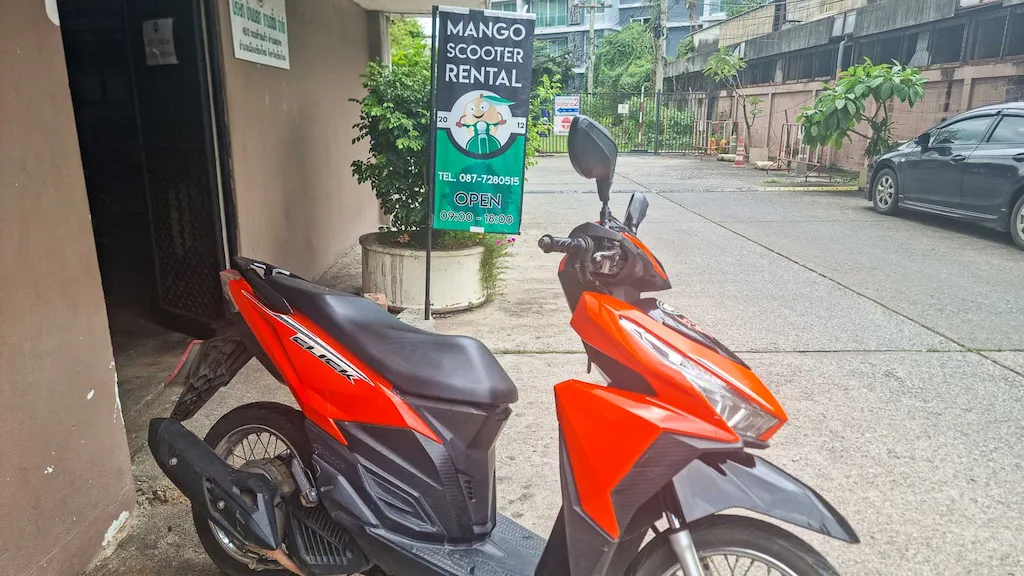
We’ve rented scooters in Chiang Mai every trip for years. It’s by far the best way to get around: cheap petrol, easy parking, and you skip most of the traffic outside rush hour. Always carry your home driving licence plus an International Driving Permit.
Thai police check for both, and we once picked up a 500 THB fine for an IDP that didn’t look right. Never park on the red-and-white striped pedestrian markings, or you risk finding your scooter clamped.
Once you’re past Chiang Mai University, the roads open up into quiet countryside with rice fields and mountains, easily some of our favourite riding anywhere in Thailand.
We wrote an entire guide on where and how to rent a scooter in Chiang Mai.
Relying on public transport is a convenient option that allows you to sit back, relax, and let someone else do the drive. Whether it’s buses, trains, or ferries, Thailand’s public transport network is extensive and affordable.
Remember to book in advance (we do this through 12Go Asia), as the itinerary is tight, especially during peak travel seasons. With a bit of planning, you can hop from city to city with ease and explore everything Northern Thailand has to offer.
Booking a tour is the perfect solution! Whether you’re interested in cultural excursions, outdoor adventures, or culinary experiences, there’s a tour for every interest and budget.
Taking a tour also supports local communities, which is the best way to give back while travelling. Often, tours take care of transportation, experience, and even meals.
How Much Money Do I Need For 2 Weeks in Northern Thailand?
While the first time we visited Northern Thailand we were on the lowest backpackers budget, we quickly understood that this part of the country is very affordable. Nothing has never felt expensive in Chiang Mai, either the accommodation. We’ve been travelling at $50 per day as couple, but never hitting more than $35, especially when travelling longer and booking 3+ nights in the same place. Many accommodation offer discounted rates when you stay for a week, and there we’ve got good deals.
For a two weeks in Thailand for couples on a tight budget we suggest about $800. This allow to eat at local restaurants, get dessert at 7 eleven, rent motorbike and covers entry fee for attractions. You can also indulge a bit more, in fact as mid-range travellers we know exceed this amount and are closer to $950 and $1300 per two weeks travelling.
With this amount, we got a nice apartment in a condo complex, with gym usage, dedicated co-working space 24h access, a cafeteria and more. This is the rough costs you can have travelling two weeks in Northern Thailand:
| Traveller Type | Approx. Cost (2 weeks) |
| Solo, budget | $500 |
| Couple, budget | $800 |
| Mid-range (couple) | $950–$1,300 |
| Daily minimum (budget) | $30/day |
| Average budget for couples | $50–$80 |
Transportation is quite cheap, especially if you book in advance. Airfare and travel between destinations can make your expenses high compared to taking overnight buses and trains.
We use 12Go Asia to book all our tickets in advance and play a good role in staying on a budget. With some planning, Thailand offers an enticing introduction for first-time backpackers on a budget.
ATM and Bank fees in Northern Thailand
Visiting all the cities in our itinerary you will have no problem in getting cash out. We often withdraw money at Krungthai Bank, which has the max amount we can get set at 30K and is the highest compared to other banks.
All banks offer a withdrawal fee of as little as 220 Baht, which is the bare minimum, but if you are willing to bet on the exchange rate, hop in a bank with your passport and withdraw from the till. This is a travel hack which will avoid your bank fees, but you must stay at their given exchange rate.
Before starting the operation:
- Check whether a 150-220 baht fee applies on top of 3-5% currency conversion charges your home bank may levy.
- Where possible, minimize withdrawals and rely more on credit/debit cards for purchases.
- Notify your bank of your travel dates to avoid account freezes when making foreign transactions.
- Carry some USD or EUR as backup, which can be exchanged at banks, airports and currency exchange booths.
The best bank for us coming from the UK was May Bank, which had a lower fee.
Northern Thailand Itinerary travel tips
Northern Thailand is fantastic, and we always suggest this itinerary, especially if it is your first time. Because of the long transport, take a power bank with you and another device (tablet or laptop). Travelling with a backpack is our way to go around the world, but this trip can be done with ease with a wheely.
Download maps offline on your phone to avoid getting lost and not finding the way. We suggest getting an e-sim before your trip, so you will get data once you land. We use Airalo for every trip and have never dropped in connection and quality.
For finding places to stay, Hostelworld and Booking.com are ideal for reviewing guesthouses and securing discounted rates. And for onward travel inspiration, browse our guides about the best destinations in Thailand and abroad.
BACKPACKING IN KOH LANTA
THAILAND 3 WEEKS ITINERARY
BANGKOK, KRABI, PHUKET ITINERARY

THAILAND BACKPACKING ROUTE

ONE DAY IN BANGKOK

CHIANG MAI 3 DAYS ITINERARY
Get Travel Insurance
Protect yourself from unexpected troubles on the road with travel insurance for Thailand. Policies from trusted providers like HeyMondo and SafetyWing offer very reasonable rates for short or long stays. Basic plans cover illness, injury, and theft, while upgraded options include trip cancellations, lost baggage, and adventure sports. Get insured prior to departure to take the stress out of your travels in Thailand.
Thailand Entry Requirements and Visas
Most passports allow you to stay up to 30 days in Thailand with a free visa. So planning a two week itinerary in Thailand, you don’t have to worry about complying with your visa.
In discussion from June 1st 2024, the extension of the free visa on arrival to 60 days for over 94 countries; however, this new norm isn’t yet in place, but we will keep you updated if so.
Anyway, you can extend your on-arrival visa for another 30 days at a local immigration office. Note that rules change frequently, so verify the latest requirements. You can request and check entry requirements here on the official website of Thai Visa.
What to Pack for Thailand
When travelling to Thailand, it is crucial to pack light due to the hot and humid climate, muddy trails, and cramped buses. Prioritize breathable and quick-drying clothing that can be easily layered, such as moisture-wicking t-shirts, shorts, skirts, pants, and tank tops.
For a very rushed two weeks in Thailand, we also suggest carrying with you a water stopper for the sink; we bought one about two years ago. This silicon stops the water from draining, so you can wash your clothes on the go.
Include a swimsuit, hat, sandals, and closed-toe shoes for hiking. Bring a lightweight rain jacket, medications, sunscreen, toiletries, phone/camera chargers, and a backup power bank. Accommodations usually provide essential items like towels.
Consider leaving space in your luggage for souvenirs. We always do that because markets are so inviting, and these are the only souvenirs we bring from places.

Is It Safe to Travel Northern Thailand?
By taking basic precautions, Thailand presents a few major health concerns and safety issues. As with any tropical destination, protect yourself from mosquitoes, parasites, and foodborne illnesses. 7/11 has a great mosquito repellent for less than a dollar.
Avoid tap water everywhere and raw fruits/veggies unless they can be peeled. Always wear helmets and protective gear when renting motorbikes, and resist drug and sex solicitation. Petty theft exists in cities, so secure belongings in hostel lockers.
If riding long-distance overnight buses or trains, be wary of theft. We didn’t have any of these problems, but we were always conscious of our surroundings. Overall, however, Thailand is very safe for conscientious backpackers. Just use sound judgment and common sense during your travels.
Health requirements
Even if not everyone mentions it, you must have valid Vaccinations for hepatitis A and B, typhoid, and tetanus are recommended. Also, carry mosquito repellent, as suggested above, to protect against dengue fever.