Is north or south vietnam better? A fair comparison and deep guide

Discover North vs South Vietnam from real travel experience. A detailed, first-hand comparison to help you choose where to go, what to see, and how to plan your perfect trip.
Vietnam is one of those destinations that surprises you at every turn. It’s so diverse that you will start debating which region is better to visit, the north or the south.
After visiting the country twice and experiencing both the northern and southern regions, we quickly realised how diverse, beautiful, and interesting it is in its entirety.
The landscape shifts dramatically from the rugged mountains in the north to the lush Mekong Delta in the south. But the question we often hear is: Is it better to travel North or South Vietnam?
It’s a tough one. Both regions have their charm, and each offers something completely different. We first travelled the country from south to north in a rush up of 15 days.
During our explorations, we noticed the unique experiences each region provides. Let’s break it down and help you decide between Vietnam South vs North, including some practical advice on how to move around, budget differences, and which has the best sights.

Quick snap: Where should you travel? South or North Vietnam?
| Region | Best for | Top Highlight | Average Daily Budget | Best Time to Visit |
| North | Culture, mountains, and trekking | Ha Long Bay, Sapa, Ninh Binh, Hanoi | $25 – $50 | October to April |
| South | Urban life, beaches, and history | Ho Chi Minh, Dalat, Mekong Delta, Phu Quoc | $30 – $70 | November to March |
| Central | Historical sites and a coastal vibe | Hoi An, Hue, Da Nang | $20 – $50 | February to May |

👋Toti & Ale here
London couple, 45+ countries, 300+ guides. This Vietnam itinerary draws from our 2 trips totalling 60 days (2023: rushed 15-day visa South to North; 2024: 45-day deep dive in the North with Sapa homestays).
This Update (Jan 2026): Refreshed costs (+10% inflation), 2026 visas (45-day free), sleeper bus schedules (post-flood routes). Inspired by our 3rd trip planning. No AI; all road-tested.
North Vietnam: Rugged Landscapes and Cultural Immersion
There’s something about northern Vietnam that sticks with you long after you leave. Whether it’s the mist-covered rice terraces of Sapa or the ancient charm of Hanoi, the north feels like stepping back in time. It’s a region rich in tradition, culture, and landscapes that will make your jaw drop.

Best places to visit in North Vietnam
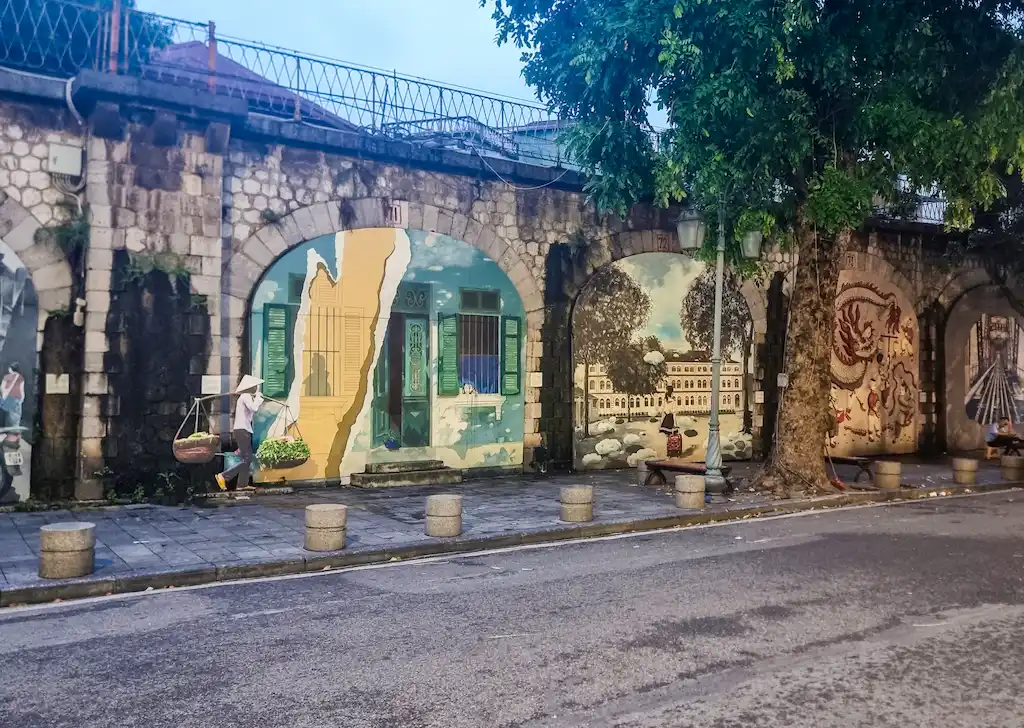
- Hanoi: We love Hanoi’s vibrant streets. Waking up early to watch the city come alive by Hoan Kiem Lake was one of our favourite experiences. The blend of old and new makes it our favourite capital in Southeast Asia.
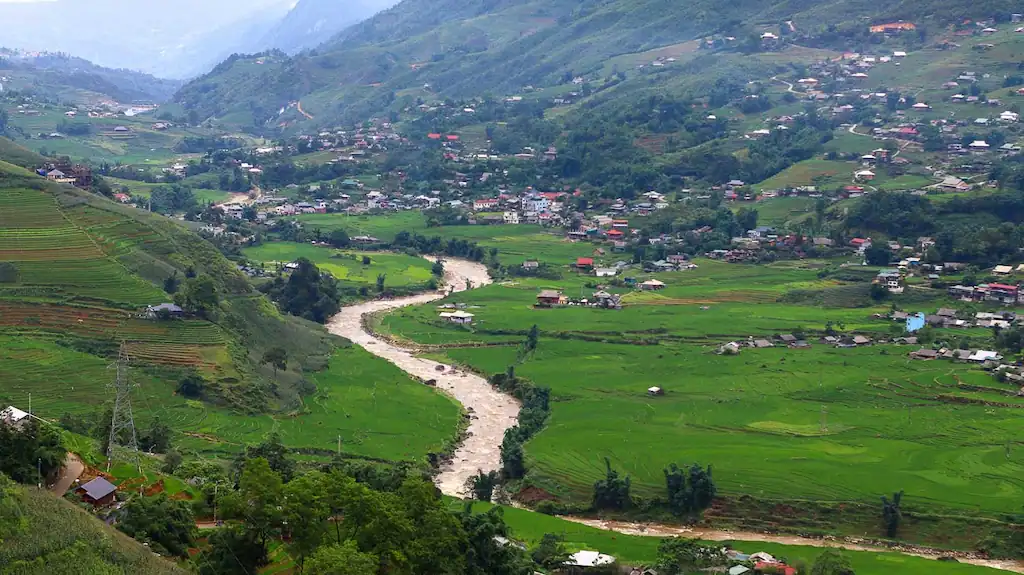
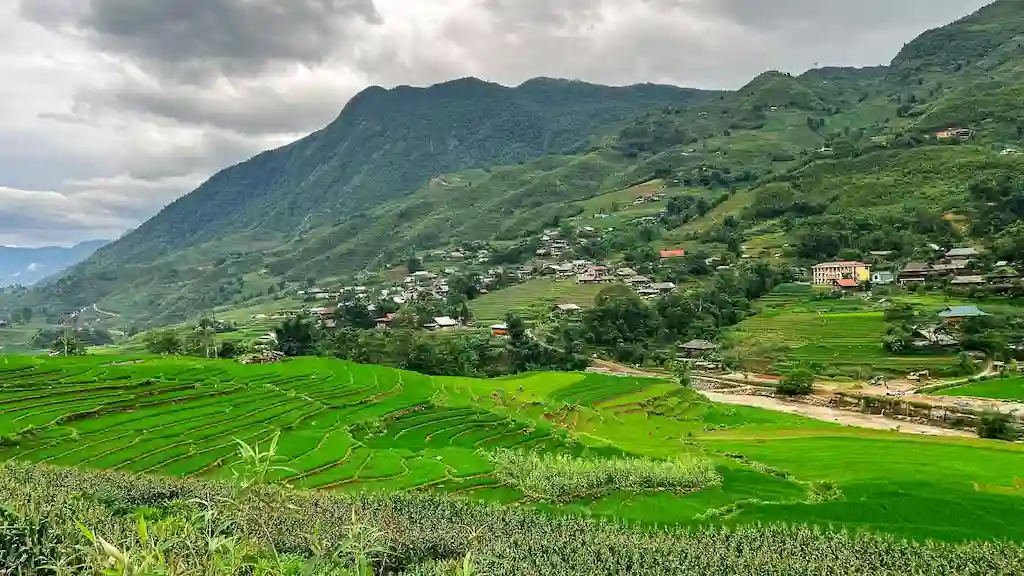
- Sapa: If you love hiking, Sapa is a dream. The terraced rice fields stretch for miles, and the local H’mong tribes offer an immersive cultural experience. We intended to stay for just a couple of days, but Sapa’s beauty pulled us in, and we ended up exploring for longer. Read all our experiences in Sapa.
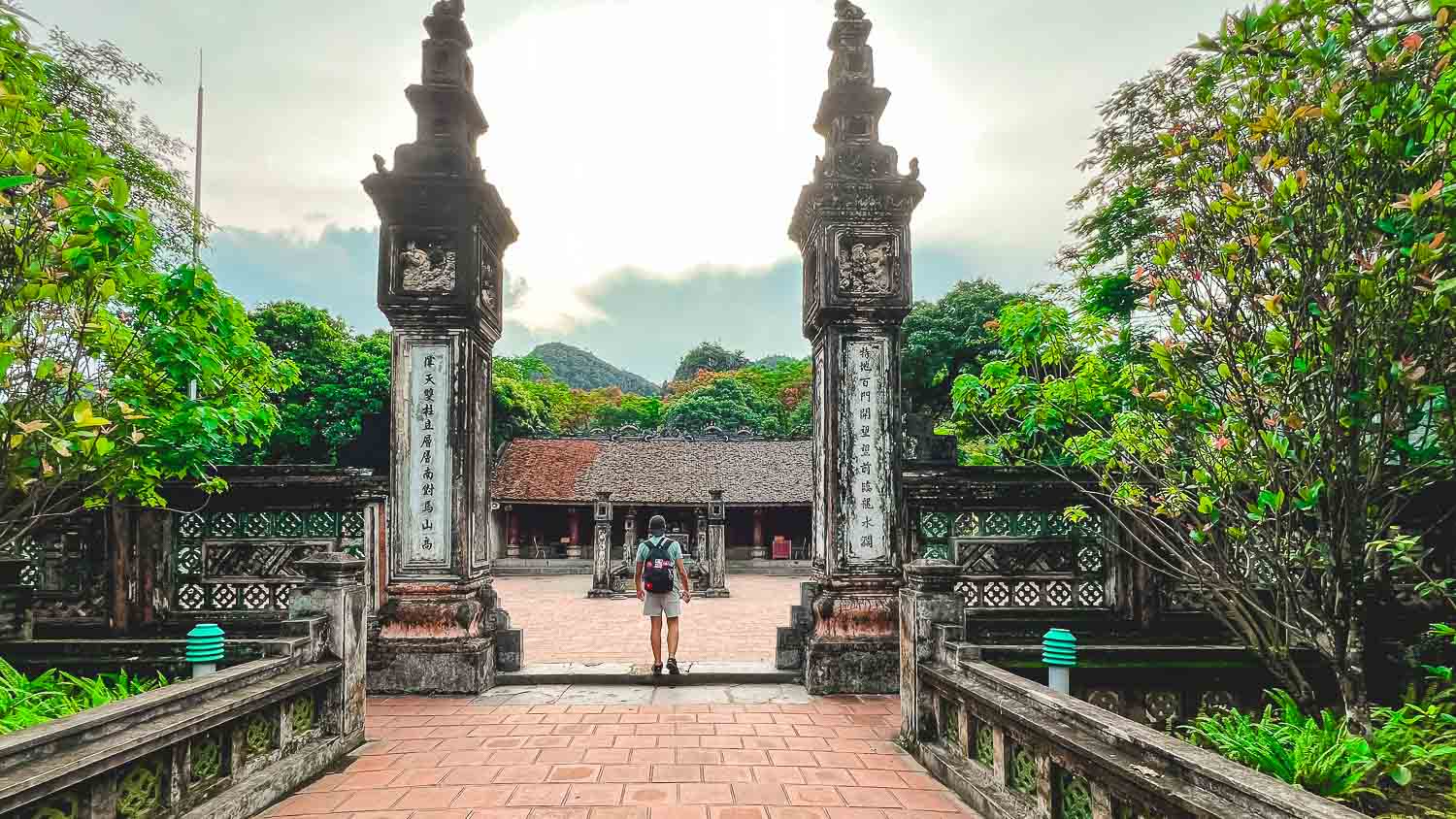
- Ninh Binh: Dubbed “Ha Long Bay on land”, Ninh Binh deserves more than just a day trip from Hanoi. It’s not a secret that we placed it in our favourite spots in Vietnam. We rented a scooter here and got lost (in the best way) in the stunning karst landscapes and quiet pagodas. Read more about Ninh Binh here!
- Ha Long Bay: If you’re into dramatic scenery or a luxury boat experience, Ha Long Bay is a must. We decided to take the adventurous route and rode a scooter from Hanoi to the bay. Was it crazy? Yes. Was it worth it? Absolutely. You can also opt for a cruise, which we recommend for a more relaxed experience. Ha Long Bay is featured in our Northern Vietnam itinerary.
Cost of Travelling North Vietnam
Northern Vietnam is generally more affordable than the South. You can expect to spend:
 Accommodation: $5-$15 per night for hostels, $20-$50 for mid-range hotels
 Food: Street food will cost you $1-$3 per meal, and restaurant dining is still cheap at around $10 for a nice meal.
 Transportation: Sleeper buses are the budget traveller’s best friend here, costing around $10-$15 for long-distance routes. Renting a scooter is around $5-$10 per day. CHECK PRICES!
MORE ABOUT VIETNAM

For further recommendations about Vietnam, see this guide.
Northern Vietnam 10 days itinerary | A detailed guide
Getting Around North Vietnam
Northern Vietnam is well connected by sleeper buses and trains. Suppose you’re travelling from Hanoi to Sapa or Ha Long Bay. In that case, the night trains are a memorable (and comfortable) way to cover long distances.
Private vans or buses are also affordable and give you a bit more comfort than buses. For local exploration, renting a scooter is a great option – just be prepared for some bumpy roads!


South Vietnam: Urban Vibes and Coastal Beauty
While we prefer the North, with its rugged landscapes, we have to give credit to the South, with its warmer sandy beaches, bustling cities, and lush green Mekong Delta. We started our journey here, exploring both the energetic city life and the quieter rural scenes.
How long staying in Vietnam?
Our tips for your next vacation to Vietnam. A unique guide for optimizing the time, with tips about which city to prioritize.
Best places to visit in South Vietnam
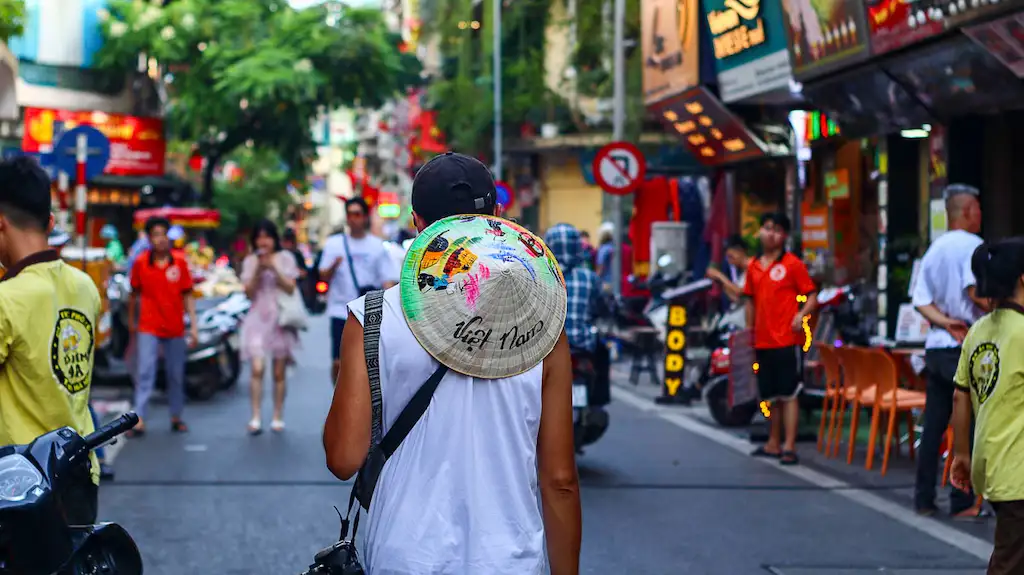
- Ho Chi Minh City (Saigon): Fast-paced and modern, Ho Chi Minh City is a huge contrast to the north—more modern compared to Hanoi, I will say. Many define Ho Chi Minh as the southern Capital of Vietnam. The food scene in Saigon (the old name of Ho Chi Minh City) is incredible, and there’s a certain buzz in the air that you can’t ignore. Expect lots of motorbikes and busy streets.
- Mekong Delta: The delta is the rice bowl of Vietnam, with floating markets, coconut groves, and winding rivers. It’s a great escape from the urban rush of Saigon and offers a peek into the rural way of life.
- Phu Quoc Island: Looking for beaches? Head to Phu Quoc. We spent a couple of days here relaxing on white-sand beaches, snorkelling, and enjoying the sunsets. It’s Vietnam’s island paradise.

Cost of Travelling to South Vietnam
Costs in the south tend to be slightly higher than in the north, especially around Ho Chi Minh City and Phu Quoc Island.
Accommodation: Budget stays are around $10-$20, while mid-range hotels cost between $40-$70 per night.Food: Street food costs $2-$5 per meal, and you’ll pay about $10-$15 for a meal at a nicer restaurant.Transportation: Similar to the north, buses and trains are cheap, and flights from Ho Chi Minh to Phu Quoc can cost around $30-$50 if booked in advance.Getting Around South Vietnam
Ho Chi Minh City has a reliable bus system, but many travellers opt for taxis or ride-hailing apps like Grab. For longer distances, buses and flights are the most convenient options.
If you want to explore the Mekong Delta or Phu Quoc, renting a scooter is perfect for local exploration.

Food: North vs South Vietnam
The famous chef and TV presenter Anthony Bourdain, when visiting Hue, once said, “It’s very laid-back. The food’s great. It’s pretty—there’s a lot to see. It’s a perfect place to go if you want to take your time. It’s beautiful to me.” We agree on all of that, as Vietnam food stole our hearts too—not at first, though.
While exploring the country from South to North, we learned that one of the most exciting parts of travelling through Vietnam is the food. There’s a distinct difference between the north and south when it comes to flavour.
In the north, dishes like pho are simple, with a clear broth, focusing on pure flavours. They are mixed with beef, rare beef, and chicken, only occasionally with pork. Meanwhile, the south offers a richer, sweeter take on food.
We couldn’t get enough of the banh mi sandwiches in Ho Chi Minh City—the bread was crispy, the fillings packed with flavour, and every bite was an explosion of taste.

Climate Comparison: North Vietnam vs South Vietnam
Each region offers its own charm based on the time of year. If you’re after cooler weather and dramatic landscapes, the north is best visited in the cooler months. For tropical beach escapes and city exploration, head south during the dry season.
| Region | Best Time to Visit | Climate Highlights |
| North Vietnam | October to April | Cool, dry weather perfect for trekking and sightseeing |
| South Vietnam | November to March | Warm, dry weather ideal for beaches and outdoor activities |
North Vietnam Climate
North Vietnam experiences four distinct seasons, with cooler winters and hot and humid summers. The northern regions, like Hanoi, Ha Long Bay, and Sapa, see dramatic temperature shifts.
best time to visit northern Vietnam
October to April is perfect to enjoy the north. During the dry season, you will go on long hiking in Sapa, or walk through the streets of Hanoi. We also find this time of the year perfect to have a relaxing time in Ha Long Bay.
In winter (December to February), temperatures can drop significantly, especially in the mountains. This is the best time to avoid heat and humidity, making outdoor activities much more enjoyable.
Alessia loved the temperature in Sapa. During the day, we wore short, wearing long pants only on long scooter rides, and in the evening, the feeling was great in our jumper. Yes, we took the jumper out of our dark pocket, deep in the backpack.
Overall seasons in the North
 Winter (December to February): It is cool to cold, especially in the mountains (Sapa can even see snow). Temperatures in Hanoi hover around 15°C (59°F).
 Spring (March to April): Pleasant weather with mild temperatures and little rain, ideal for outdoor exploration.
 Summer (May to September): Hot, humid, and rainy, with frequent showers. It’s also the time for tropical storms, especially near coastal areas like Ha Long Bay.
South Vietnam Climate
South Vietnam has a tropical climate with only two main seasons: wet and dry. Cities like Ho Chi Minh City, Phu Quoc, and the Mekong Delta enjoy a warm climate year-round.
Best Time to Visit Sothern Vietnam
November to March is the best time to visit the south. During this dry season, you can expect sunny skies and comfortable temperatures, ideal for beach trips and exploring the bustling streets of Ho Chi Minh City.
The rainy season (May to October) brings heavy downpours and high humidity, making travel less ideal, especially for outdoor activities. Believe us, when it rains in Southeast Asia, you can’t get out at all; wind and rain make perfect tropical storms.
Overall Seasons in the South
Dry Season (November to April): Warm and pleasant, with temperatures averaging 25-35°C (77-95°F). This is perfect beach weather in places like Phu Quoc.
Rainy Season (May to October): High humidity, with heavy, brief downpours, especially in the afternoons. Coastal flooding and storms may occur during this time.
CHECK ALL OUR GUIDES ABOUT VIETNAM

VIETNAM 10 DAYS ITINERARY
BACKPACKING IN VIETNAM

IS CAT CAT VILLAGE WORTH VISITING?

BEST HOSTELS IN SAPA
REASONS TO VISIT NINH BINH

SUPAN ECOLODGE REVIEW IN SAPA

GETTING FROM HANOI TO SAPA

SAPA ITINERARY 3 DAYS

HOW MANY DAYS IN VIETNAM?

SLEEPER BUSES IN VIETNAM
HOW MANY DAYS IN SAPA?
South Vietnam vs Northern Vietnam: Which One is Better?
We love Northern Vietnam the most because we have explored it more and better. Northern Vietnam is better for those seeking culture, history, and adventure.
The cooler climate in the mountains and the rich traditions of ethnic minority groups offer a more immersive experience. You’ll find breathtaking landscapes in places like Ha Long Bay and Sapa, where time seems to slow down.
On the other hand, Southern Vietnam is perfect for travellers who want a mix of city life and beach relaxation. The vibe is more urban, especially in Saigon, and it’s warmer year-round. You’ll also get to experience the unique floating markets of the Mekong Delta and the pristine beaches of Phu Quoc.
If you’re into hiking and mountainous landscapes, head north. If beaches and big-city energy are more your style, head south or perhaps consider central Vietnam.

Another one to consider: Central Vietnam, the best of both worlds
Central Vietnam offers a fantastic middle ground between the north and the south. It’s often overlooked, but we found it to be just as captivating.
Best places to visit in Central Vietnam
- Da Nang: A coastal city with modern cafes, beautiful beaches, and easy access to both Hoi An and the Marble Mountains.
- Hoi An: A UNESCO World Heritage site, Hoi An is like stepping back in time. The old town, lantern-lit streets, and local markets make this one of Vietnam’s most charming towns. We loved renting bikes and exploring the countryside.
- Hue: Once the imperial capital, Hue offers a rich cultural and historical experience with its ancient citadels and temples. Perfect for history lovers.
Cost of Travelling Central Vietnam
Accommodation: Budget options around $10-$20, mid-range from $30-$60.Food: Similar to the north, street food will cost about $1-$3, while restaurants range from $5-$10 per meal.Transportation: Trains are a scenic way to get around this region, especially the route from Da Nang to Hue.Getting Around Central Vietnam
Central Vietnam is well connected by train, bus, and flight. For short distances, renting a bike or motorbike is the best way to explore Hoi An and the surrounding countryside. We also loved the scenic train ride from Da Nang to Hue, which follows the coast and offers stunning views.
Our Final Considerations: North vs South Vietnam?
At the end of the day, choosing between North Vietnam or South Vietnam comes down to your travel preferences. If you want jaw-dropping landscapes, rich cultural experiences, and cooler weather, northern Vietnam is calling your name.
If you’re more interested in beaches, bustling cities, and tropical warmth, southern Vietnam might be more your speed. That said, if you can, combine both for the full Vietnam experience!