Is Kandy worth visiting? 10 things you must do while in Kandy, Sri Lanka

Is Kandy worth visiting? We say yes, and we’d know: we’ve been twice, once right in the middle of the Esala Perahera festival. This guide gives you our honest verdict, a quick pros-and-cons breakdown, and everything we actually did across both trips, from the Temple of the Sacred Tooth Relic to the Knuckles Mountains.
Kandy is absolutely worth visiting, but here’s the real truth: stay for a couple of nights, not weeks. We’ve been twice now, and while the city feels like the pulse of central Sri Lanka—incredible cultural sights, genuinely friendly people, and that stunning lake—it’s also chaotic, uphill, and increasingly pricey. But the strengths outweigh the trade-offs, especially if you know what you’re getting into.
The second time we visited, we understood Kandy better. It’s not just the Temple of the Tooth Relic or the botanical gardens (though both are remarkable). It’s the people. Unlike many touristy spots in Sri Lanka, locals here aren’t performing for visitors—they’re genuinely engaged, curious, generous. That changes everything.
In this guide we share our tips to make Kandy a memorable experience, what’s are the top sights. However, to give you a full picture, we’ve also included some personal anecdotes that might make you change your mind and reroute your trip in Sri Lanka, excluding Kandy.

This post may contain affiliate links or Sponsored Links (read our Cookie Policy) and useful experiences that we love to suggest to you. If you click one of them, we may receive a small commission (for which we are really grateful) at no extra cost to you. Clicking on it will help us run this website for you for FREE, funding our project and continuing to travel and inform curious explorers.
Is Kandy Worth Visiting?
Yes, absolutely. We consider Kandy an essential part of every Sri Lanka itinerary. Skip this city and you miss a huge piece of the country’s cultural identity.
Most people travelling to Sri Lanka for the first time, know Kandy only as the start of the famous train ride to Ella, but we push every traveller to see more. We build our Kandy itinerary around four anchors: the Sacred Temple of the Tooth, the old town, the local market, and the Botanical Garden.
One honest caveat: Cyclone Ditwah caused serious damage to the central highlands in late 2025, and some transport links, including part of the Kandy to Ella rail line, are still being repaired. Kandy city itself is fine to visit, we’d just check current transport status before you build a train-heavy itinerary around it.
How many days do you need in Kandy?
Two to three days is the sweet spot. One day is genuinely too short—you’ll see the temple and the lake, but you’ll miss the rhythm of the place and what makes it special. We’ve done it both ways, and the difference is real.
Three days lets you breathe: a full morning at the Temple of the Tooth Relic (try for the 5:30am pooja to avoid crowds), an afternoon in the botanical gardens, an evening walk around Kandy Lake, maybe a day trip to a tea factory or the Knuckles hike if you’re up for it. Two days is tight but workable if you’re moving fast—temple, gardens, lake, and the train to Ella.
Most backpackers plan just one or two nights because they’re chasing the famous Kandy-to-Ella train. That’s fine, but you’ll leave feeling like you saw Kandy rather than knew Kandy.
Tip: If you’re staying at a hotel on the hills (like the Grand Kandyan, where we stayed), budget extra time for tuk-tuk rides up and down. It’s annoying, but the view from above is worth it.
What is Kandy famous for?
Kandy is famous as Sri Lanka’s spiritual and cultural heart. The Temple of the Tooth Relic (Sri Dalada Maligawa) is the draw—it holds what Buddhists believe is a tooth of Buddha, and every August the city hosts the Esala Perahera, a massive annual procession with dancers, drummers, and decorated elephants. It’s one of the biggest festivals in Sri Lanka, and if you time it right, it’s unforgettable.
Beyond the temple, Kandy feels like the centre of everything. It’s well-connected by rail and road, surrounded by tea plantations and the Knuckles Mountains, and it’s where Sri Lanka’s hill country really begins. You’ll see why it was the last capital of the ancient kings.
Best time to visit Kandy
Kandy is a year-round destination, but the dry season (January to April) is genuinely better. We visited in August during heavy rain—beautiful in its own way, but slippery underfoot and the temple courtyards were wet and crowded with locals sheltering indoors.
We returned then in April, and while it was hot and humid (we were sweating constantly), the visibility was clearer and the gardens were lush.
Believe me, we’ve been trough all the possible microclimate in central Sri Lanka; It’s weird—it doesn’t follow the coast’s patterns. If you’re flexible, we suggest aiming for January to April or July to September. But honestly? Kandy works any time if you’re prepared for the weather.
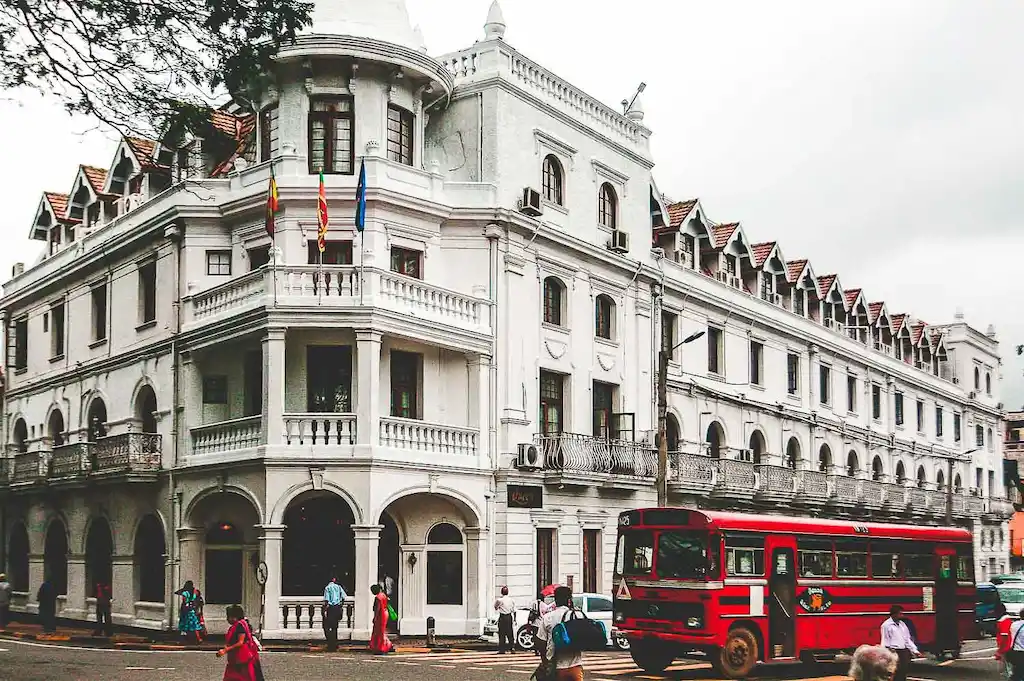
How to get to and around Kandy
From Colombo: You have three solid options. The most scenic is the train from Colombo Fort— but you can only book in person at the station and no-reservation – there are seven daily departures starting at 5:55am, it takes 3 to 5 hours (often delayed), and tickets start at 900 LKR (~$3).
The slower, cheaper buses run the same route. Or a ticket for a minivan, bookable online here (around 3,500 LKR / $12), easy to catch, fast, direct and we found it comfortable. We’d take the train every time for the experience, even if it’s slow.
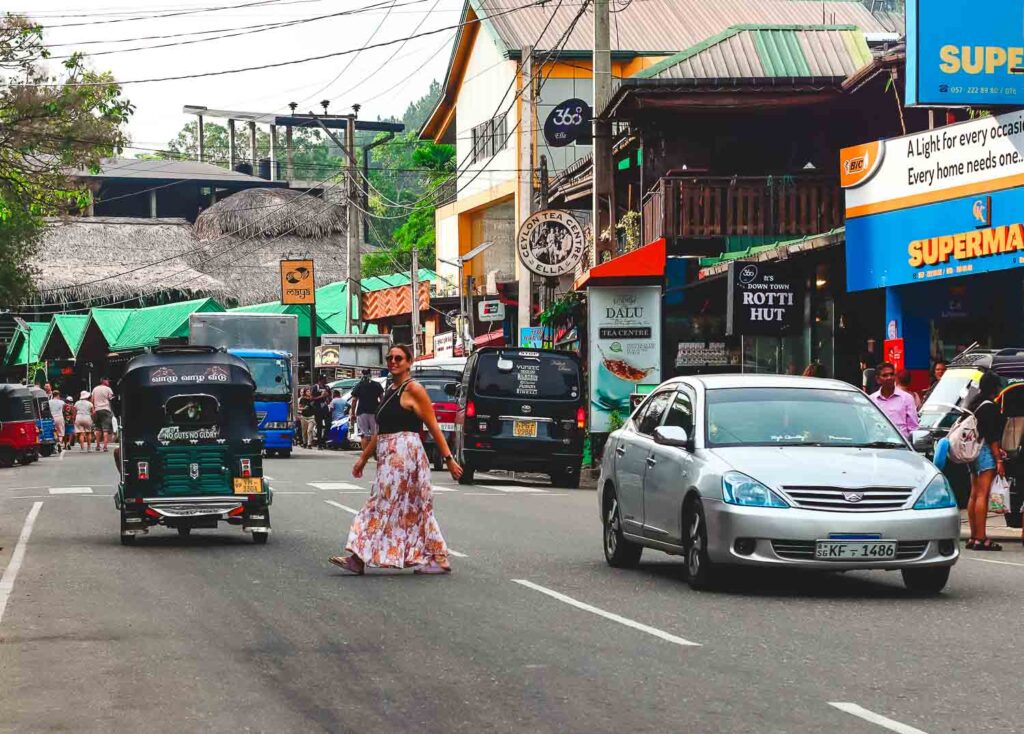
Getting around town: Tuk-tuks are everywhere, and you can’t walk ten minutes without a driver asking if you need a ride. This is both convenient and annoying—they’ll overcharge tourists if they can. Use Pick Me (Sri Lanka’s ride-hailing app, like Uber) if you want a fixed price and a trackable route. It undercuts the street tuk-tuk rates, which is why some drivers get hostile about it, but it’s safer and fairer.
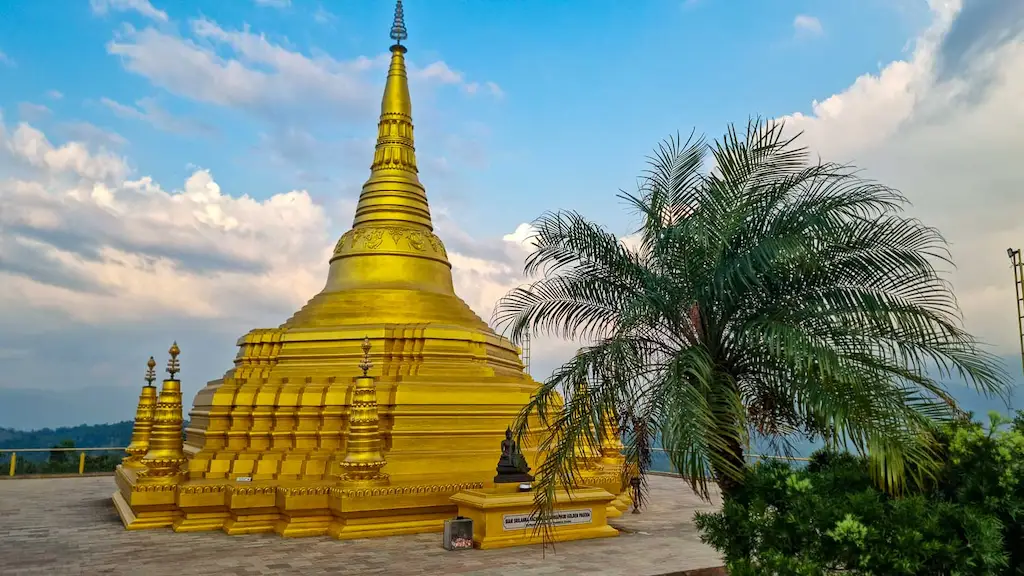
If you’re staying uphill (which many hotels are), budget time and money for tuk-tuk rides. It’s a hassle, but you’ll get views of the Buddha statue in the distance at sunrise from your hotel terrace, which makes up for it.
Things to do in Kandy
- Kandy Botanical Garden
- Temple of the Sacred Tooth Relic
- Kandy Royal Palace
- Kandyan Cultural Centre
- Kandy Market
- Viewpoint
- Nelligala International Buddhist Centre
- Katusu Konda Hike
- 18 Bend Road
- White Buddha statue
Wander around Kandy Botanical Garden
This is a genuine standout, and honestly one of our favourite moments across both Sri Lanka trips. The garden is a pocket of peace in the middle of a chaotic, dirty city—which is exactly why it works so well.
The entrance to the park isn’t easy to reach, taking a taxi is better, but buses are running at their own time stopping right next to the doors. It’s just about 6km from Kandy centre, and it can take up to 1 hour using public transport.
The Royal Botanic Gardens (Peradeniya) open at 7:30am and close at 5:30pm. The entrance fee is 3,000 LKR (~$9.85), which is steep by Sri Lanka standards, but it’s probably why the place stays quiet. Most tourists skip it for the temple or the train, which honestly it’s a pity but understandable.
We did visit this sight on our first trip, but skipped a return on our last mostly because of the steep ticket fee.
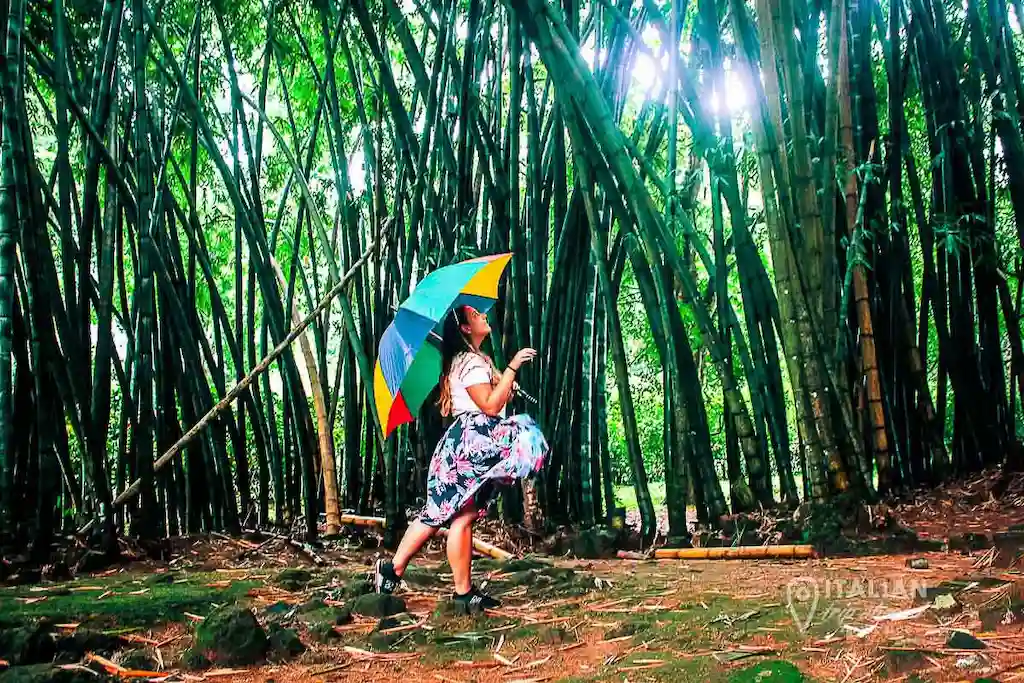
Our first trip to Sri Lanka, we spent an afternoon wandering the Bamboo Grove and Coconut Avenue—those are the spots everyone photographs. But what we remember most is sitting in the garden café with our friend Dave, holding a cup of proper tea, surrounded by manicured British-colonial lawns and the sense that we’d stepped into another era entirely.
It felt like being in a tea house transplanted into a garden. The humidity was brutal, but the shade and the quiet made it restorative in a way the city centre never is.
Go early in the day to beat the heat and any afternoon tour groups. Wear comfortable shoes—it’s a full-day walk if you want to see everything. Bring water. The café tea is worth the extra cost for the experience of sitting there.
Temple of the Sacred Tooth Relic
The Temple of the Tooth Relic is the spiritual centre of Kandy, and it absolutely lives up to that weight. We weren’t allowed inside during our first visit because it was August and the Esala Perahera festival was on, so the second time around, we made sure to actually go.
Opening times: 5:30am to 8pm daily. Ticket: 2,000 LKR (~$6.50) for foreign tourists. There are three daily ceremonies—at 6am, 9:30am, and 6pm—and if you can swing it, the early pooja is the one to see.
We showed up too late to catch the ceremony properly, but walking through the temple complex and climbing to the upper floors, we saw locals heading to pooja, lotus flowers cupped in their hands, and the whole atmosphere shifted.
That’s when you realize this isn’t a tourist attraction retrofitted as a temple—it’s an active, sacred place where people come to worship, and you’re the visitor in their space.
Note down this: Arrive by 5:10am or 5:20am for the 5:30 pooja. It’s early, yes, but the ceremony is intimate and unhurried before the day wakes up.
You’ll stand barefoot on cool stone surrounded by devotees, drums rolling softly in the background. Wear light colours, bring a shawl, and buy lotus flowers from the vendors outside (it’s the custom). Shoulders and knees must be covered.
Kandy Royal Palace Complex
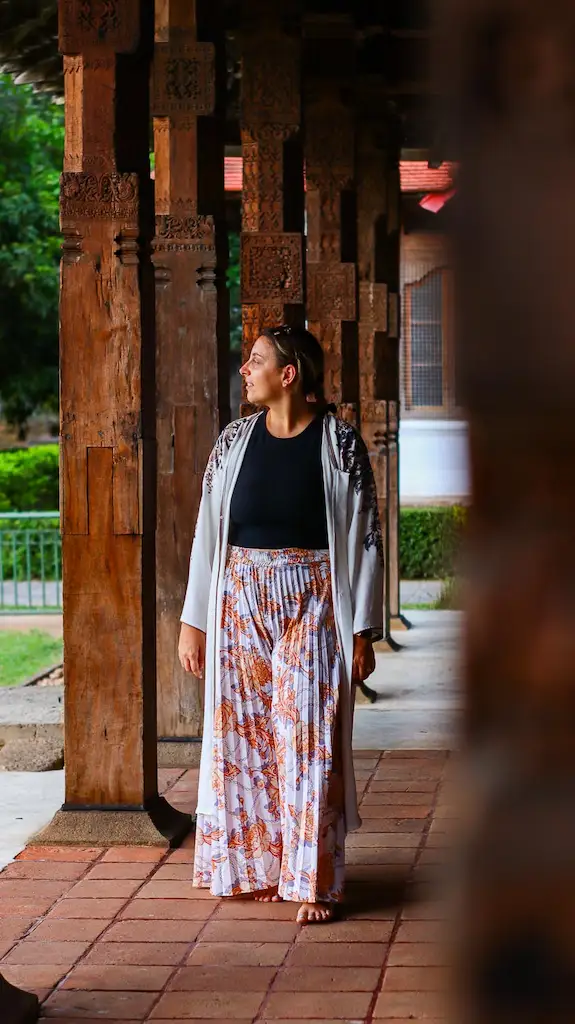
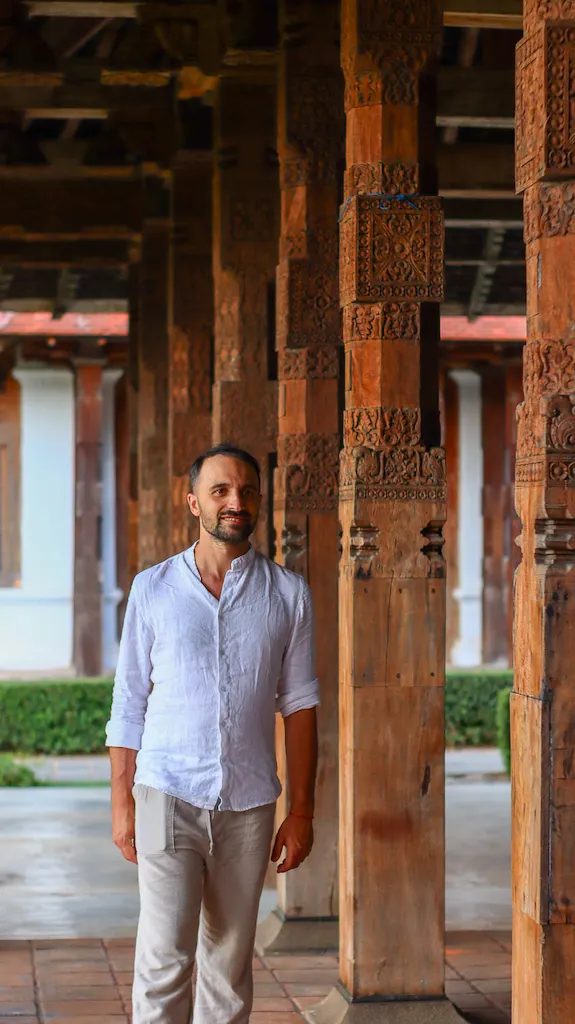
This one’s brief but worthwhile. The Royal Palace is technically within the Temple of the Tooth Relic complex. The temple ticket covers both entries, and we highly suggest taking your time to wander around. On our first visit we missed the Royal Palace, concentrating only around the Temple, and it wasn’t a smart move. The photos above are taken around there and are some of our favourite from last Sri Lanka trip.
We spent about 45 minutes wandering through the Magul Maduwa Audience Hall and the Open Air Museum, soaking in views of Kandy Lake from behind the old palace walls.
It’s not essential, but since you’re already at the temple, add it on. The courtyards are less crowded than the main temple hall, and the light in the afternoon is good for photos.
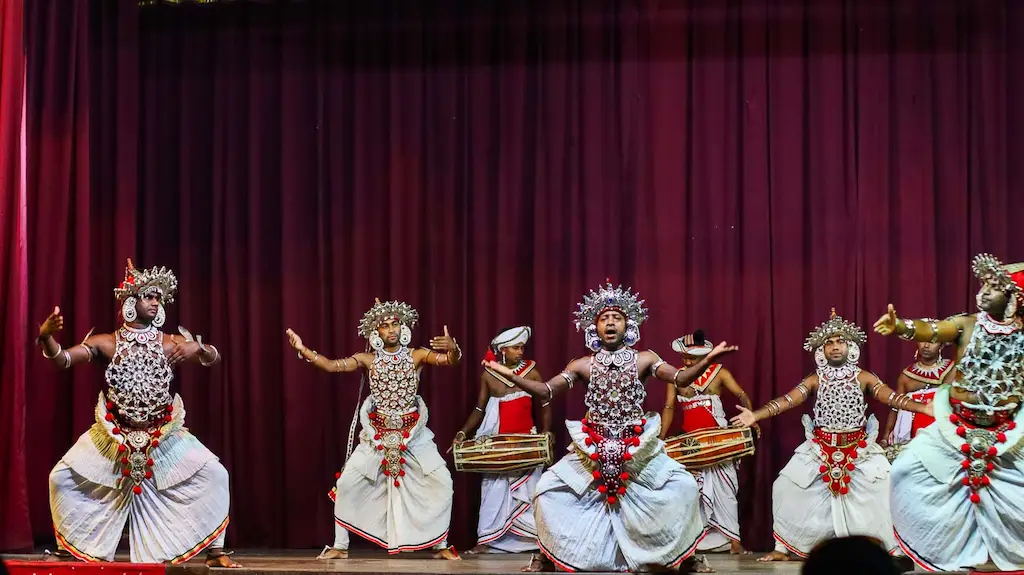
Watch a show at the Kandyan Cultural Centre
To be honest, the show at the Kandyan Cultural Centre is the most touristy thing on this list, we don’t deny that. However, cultural shows in Sri Lanka are a specific thing—they exist because there’s genuine demand from tourists, yes, but they also keep traditional dance and fire-walking alive as performance art. That’s worth something.
The show runs about an hour. You’ll see drumming, traditional Kandyan dance, fire-walking, acrobatics, and dancers in full local costume. It’s well-done and genuinely impressive if you’ve never seen it before. The atmosphere is touristy (tour groups, set lighting, scheduled start times), but the skill is real.
Price: Check when you arrive—it varies. Timing: One hour, so worth it only if you have the time to spare and you’re genuinely interested in traditional performance. If you’re on a tight schedule or you’ve already seen cultural shows elsewhere in Asia, skip it.
Explore the lively Kandy Market
Everywhere you go in Sri Lanka there’s a market, and Kandy’s is one of the busiest. This is less a “tourist thing to do” and more a “place to actually be in the city”—which is the point.
The market is chaos in the best way: vendors shouting, stacks of produce, locals shopping for daily groceries, and yes, plenty of tourists now too. However, orientating around this bustling streets made us loose track of where we came from. To avoid that confusion, show up early (before 9am) or late afternoon (after 4pm), you’ll see it working as an actual market, not a performance for visitors.
Fruit is cheap and fresh. Bananas are everywhere. If you’re staying in a guesthouse with a kitchen or you just want a snack, grab something. Talk to the vendors. Most locals are genuinely interested in where you’re from and aren’t performing the “friendly local” angle—they’re just curious about the person buying their papaya.

Kandy Viewpoint (Lakeside Terrace)
The viewpoint gave us the perfect Kandy postcard view: the lake, the temple, the white walls, the Royal Palace all visible from above. It’s a terrace with decent views and it’s worth 20 minutes if you’re in the area.
But honestly? If you’re staying at a hotel on the hills (like we did at the Grand Kandyan), you get this view for free at sunrise with a cup of coffee. That’s better than paying to stand at a crowded viewpoint.
The view of the Buddha statue in the distance, the whole city waking up below you, the mist still hanging over the lake—that’s the Kandy moment.
Nelligala International Buddhist Centre
Nelligala was a genuine surprise. There’s almost nothing written about it online, which is rare for anywhere near Kandy, and that alone made it feel like we’d found something ourselves rather than followed a guidebook.
It’s about 15km outside Kandy town, and honestly, you need your own transport to make it work — we had a van driver who handled the winding approach roads, and we were glad we didn’t have to deal with that ourselves. It’s not a place you stumble into on foot or by tuk-tuk without some planning.
Once you’re there, the corner viewpoints looking out over the jungle are the reason to make the trip. We ended up trailing behind a small group of locals going through their daily rituals — not staged for visitors, just people doing what they do there every day — and watching that felt like a genuinely refreshing moment in a trip that had otherwise been fairly touristed.
Worth it if: you have your own transport (or don’t mind arranging one) and you want something outside the main Kandy circuit. Skip it if you’re relying on tuk-tuks and tight on time — the access alone makes it a half-day commitment, not a quick stop.

Go hiking in the Knuckle Mountains
This one stuck with us, and it’s far from the only one of adventures while in Sri Lanka. Well, it isn’t every day that you hike to the top of one of the most adventurous trails in the world: Katusu Konda.
We watched a video for days before landing in Sri Lanka, waiting for that moment. If you don’t know what we are talking about, the Knuckle Mountains and valleys around were the set for the epic 1984 action movie – Indian Jones and the Temple of Doom.
The hike started early in the morning, and Ale sat this one out. Fair enough: it’s rated moderate, but the humidity was heavy and every guide we spoke to warned us about leeches before we even started walking. That warning stayed in the back of my mind the entire way up, if I’m honest. The rest of the group kept things light, though, which helped.
Starting from the Upland Tea Factory, you will pass through narrow passages, but the whole trail is partially signed. You must have a guide to go on this hike, as it is a wild jungle. (We suggest contacting our guide, who was an expert and an approachable person – Blue Knuckles Travels).
Arriving at the top, you will be rewarded with a 360-degree view of the countryside and tea fields south of Kandy. To point correctly on your map, this was our top point: Hanthana Mountain Viewpoint!

18 Bend Road
Our guide told us 18 Bend was one of the best winding roads in the country, and we wanted to see for ourselves. It genuinely lived up to it — and that’s saying something, because our expectations going in were high.
The bends really do bend. If you get motion sickness, take it seriously: Ale needed to take pills for this stretch, and she’s not usually one to need them. We flew the drone over it, and from above the road is properly impressive — though the vegetation has crept in over parts of it, so from ground level it’s not always easy to actually see the full shape of the curves.
The road itself is narrow. Narrow enough that two large buses meeting each other would genuinely struggle to pass. And Sri Lankan drivers on that stretch are often reckless, so if you’re driving it yourself rather than being driven, stay alert — this isn’t a relaxed scenic cruise, it’s a road that demands attention.
Worth it if: you’re driving toward Ella anyway and you don’t get carsick easily (or you’re prepared for it if you do). Bring motion sickness tablets if there’s any chance you’ll need them — better to have them and not need them than find out on the bends themselves.
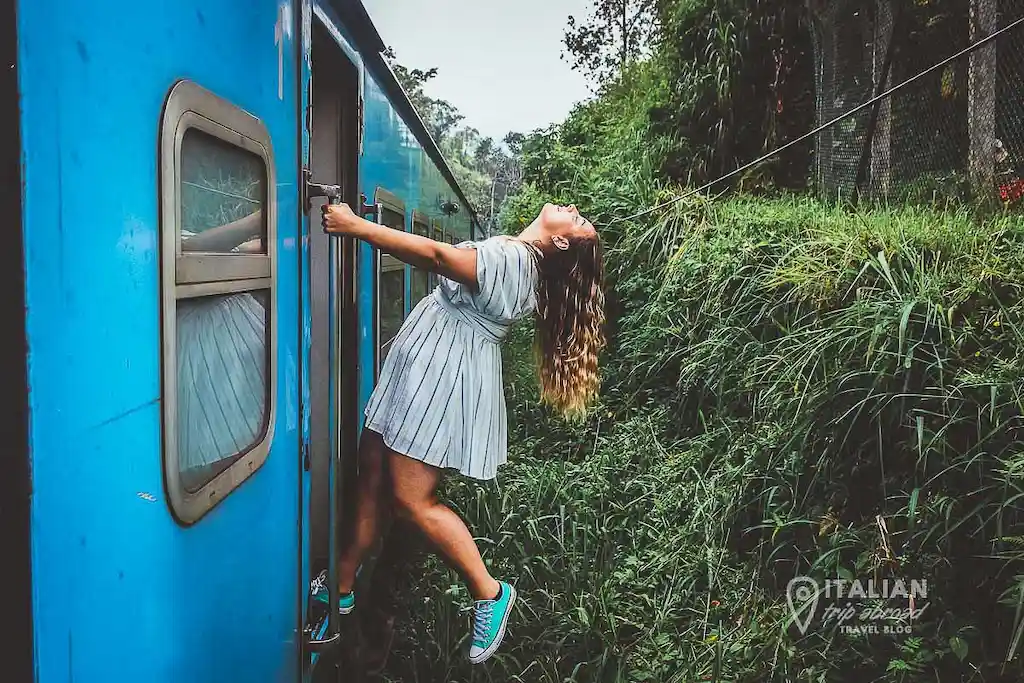
Board the epic train ride from Kandy to Ella
We’ve boarded the train from Kandy to Ella, and it lives up to the hype of being one of the best train journeys in Sri Lanka. The blue train of Sri Lanka was one of the reasons we visited the country in first place.
The journey is long, but the scenery is epic. The ticket is cheap but is in high demand. Back then we were able to get a second class ticket (where the doors are open) for less than a dollar, an hour before the train departed. Nowadays this is impossible and you have to go through an agent, or book through klook.
Where we stayed in Kandy
The best hotel we stayed in Kandy is the Grand Kandyan. We stayed here on our second trip, and it’s perched on a steep hillside overlooking the city — that position is both the best and most frustrating thing about it.
Best, because our mornings started with the Buddha statue visible in the distance from the terrace, and that sunrise view over Kandy is one of our clearest memories from the whole trip. Frustrating, because getting up and down that hill means relying on tuk-tuks every time, and the drivers up there know you don’t have many other options.
It has a slightly kitsch, old-school grandeur to it — over 400 reviews and an 8.4 rating, and it’s one of the oldest, biggest hotels in the city. Prices run from around $50/night booked in advance up to $80/night in high season.
Budget accommodations in Kandy
Kandy BackPacker’s Hostel: This is the most trendy hostel in Kandy, it is often fully booked, so you better act fast. It also offers budget double rooms, and has a fantastic outdoor pool to chill out, and breakfast is included.
Haven Upon Hills: Guest house – Only $15 per night – 9.7 Reviews on Booking.com. It offers complimentary bike rentals and rooms with mountain, city and garden views, a few steps away from Kandy Ceylon Tea Museum.
Kandy Rivers Edge Nature Resort: Completely immersed in nature is perfect for couples and families who want to stay away from the crowds, but at a short distance from Kandy town. See the features and availability.
Should You Actually Visit Kandy?
Yes — Kandy is worth visiting, and worth staying overnight for, though we wouldn’t stretch it beyond a couple of nights.
What struck us most on our second visit was how much clearer a picture we had of the place. It’s busy, it’s well-connected, and it genuinely feels like the centre of Sri Lanka — everything seems to run through it. The sightseeing concentrated around the lake is some of the best we’ve found anywhere in central Sri Lanka.
But it’s not uncomplicated. The traffic and the general chaos are real, and accommodation prices have crept up. Away from the temple, the lake, and the main cultural sites, the side streets get dirty and smell rough, and that does take something away from the experience if you let it. Add in the uphill logistics — most of the better hotels sit on steep hillsides, which means dealing with tuk-tuk drivers who know they’ve got you — and Kandy asks a bit more patience from you than some other stops in Sri Lanka.
What tips it firmly into worth-it territory is the people. Locals here are used to tourists, we encountered plenty walking through the market ourselves, but that hasn’t flattened into performance. People are genuinely friendly, not tourist-fatigued, and the interactions felt real rather than transactional.
And then there’s the botanical garden, which stands out as one of our best memories from all of Sri Lanka — the bamboo forest, a cup of tea shared with our friend Dave, sitting somewhere that felt like a proper English tea house dropped into the middle of the island. Stepping in from the bustling city outside into that quiet, clean, calm space was one of those genuine contrast moments that sticks with you.