


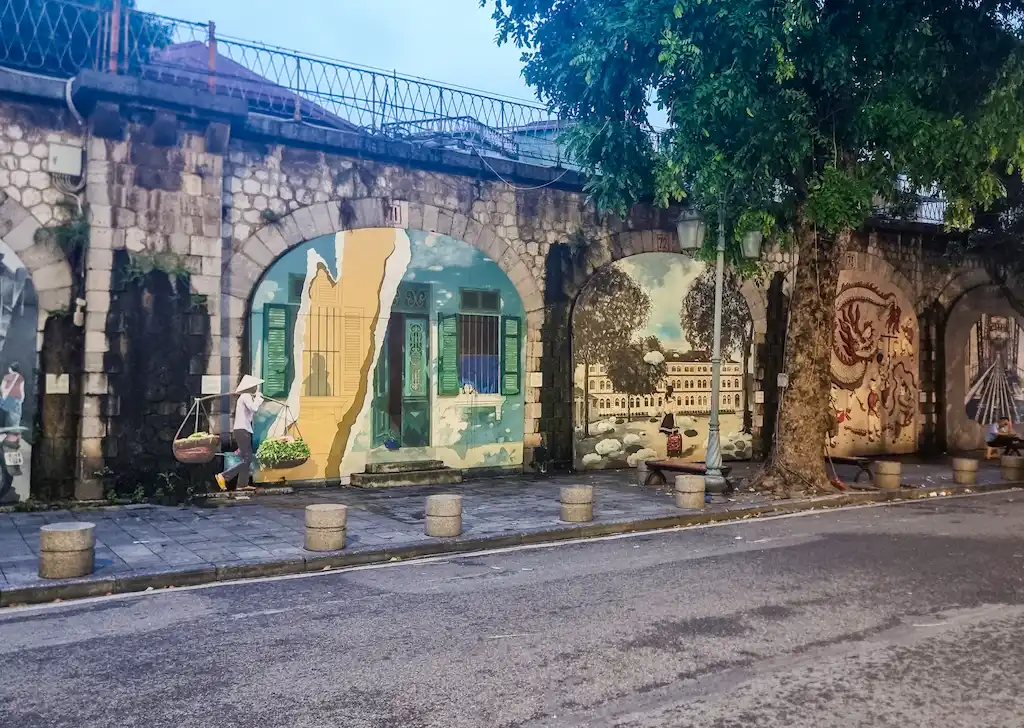



Sapa can be the highlight of your Vietnam itinerary. I still remember my morning, waking up gently, the midst taking over the valley and a hot cup of delicious locally produced coffee. This is what you can expect spending three days in Sapa, between hikes through the rice paddies, visiting remote villages of local tribes and eating delicious food.
Nestled in the northern mountains of Vietnam, Sapa offers a mix of stunning landscapes, rich culture, and outdoor activities. We’ll share our personal experiences and practical tips to make your Sapa 3 day itinerary unforgettable.
We travelled from the South to the North of Vietnam twice and finally made to Sapa. Easily we could have spent more, and definitely will be back.
Don’t miss this!
Sapa 3 days itinerary Activities and Experiences:
Accommodation We Suggest:
Secret Spots You Don’t Miss:
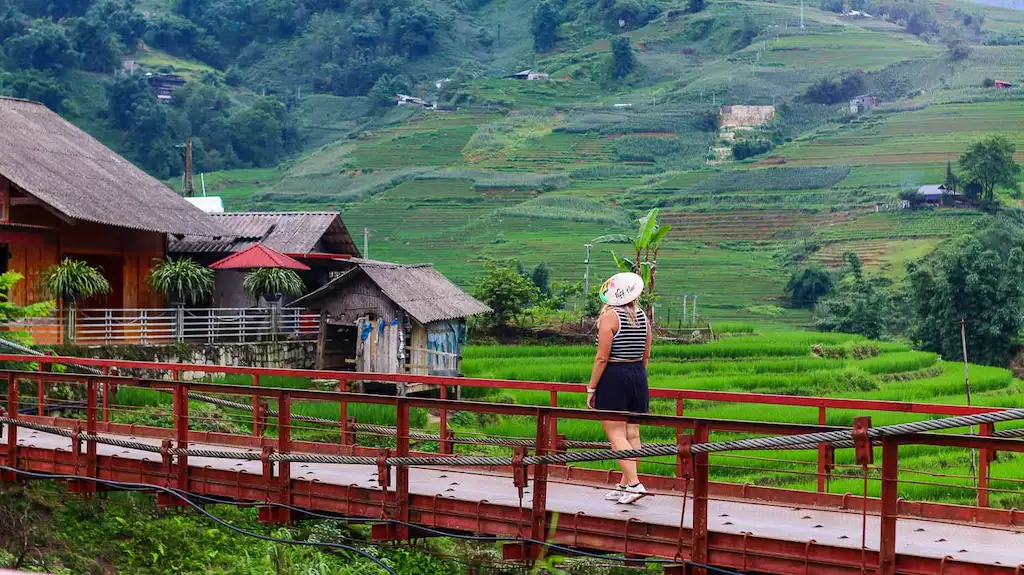
Are 3 days in Sapa enough?
Yes, if you are up to visiting only the highlights of Sapa. Most people usually book two to three days, enjoying a two-day one-night trekking adventure in the forest.
However, we suggest you stay longer. After all, getting from Hanoi to Sapa takes 6 hours on a bus or taking the overnight train, and it seems such a waste of time. However, there is more to discover, and you can definitely extend your Sapa itinerary by three days with a few more.
Staying 3 to 4 nights in Sapa gives you the opportunity to live in the northern town at a slower pace. Also, consider that accommodations in Sapa are very cheap.
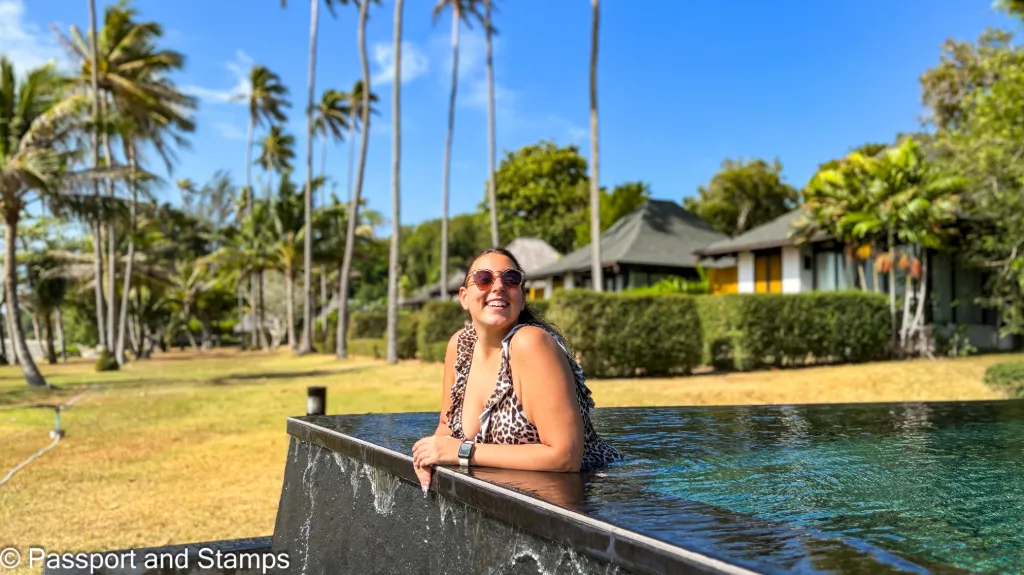
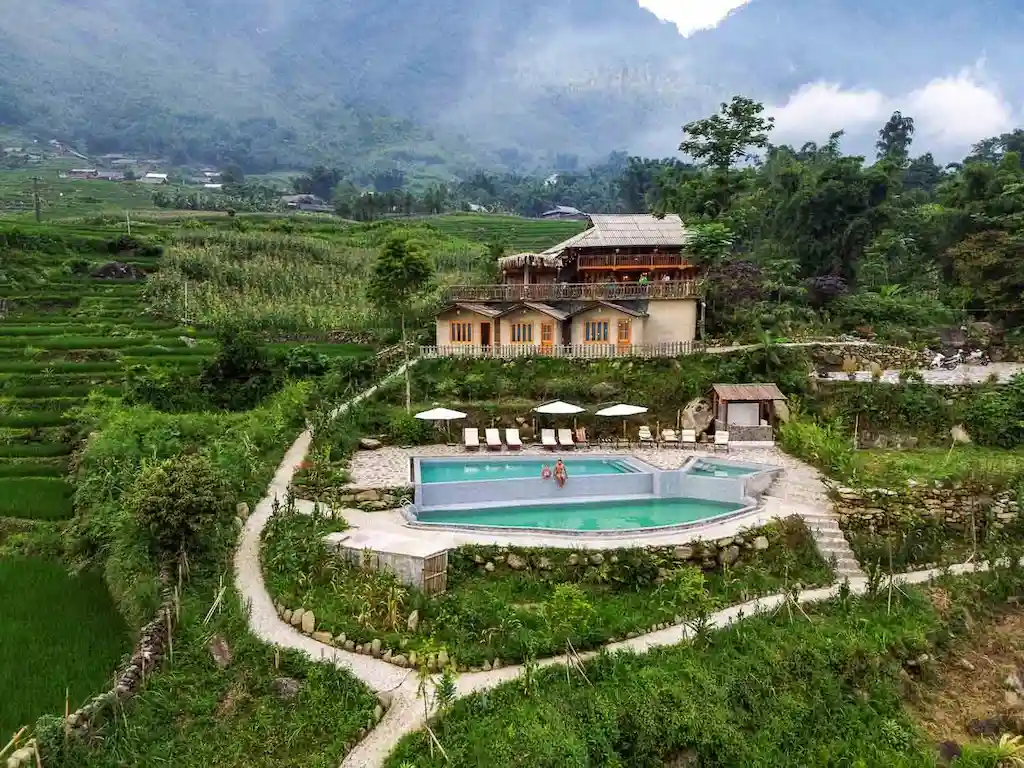
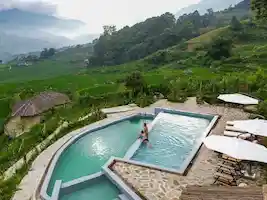
You can stay in a luxury hotel with an infinity pool for just $20$ per night. If you are travelling to Vietnam on a budget, you can find a cute homestay for just $6 per night for a double room (Personal experience).

👋Toti & Ale here
London couple, 45+ countries, 300+ guides. We travel full-time and run several blogs from the best places in the world. This guide is all about our first-hand experience in Sapa. Drew from 60 days through Vietnam, across two trips (2023/2025).
October 6, 2026 Refreshed with updated costs, routes, tips and inflation (+10% costs). No AI; all road-tested.
This post includes affiliate links. We may earn a small commission at no cost to you. You can also buy us a coffee to support the site directly. Learn more in our Cookie Policy.
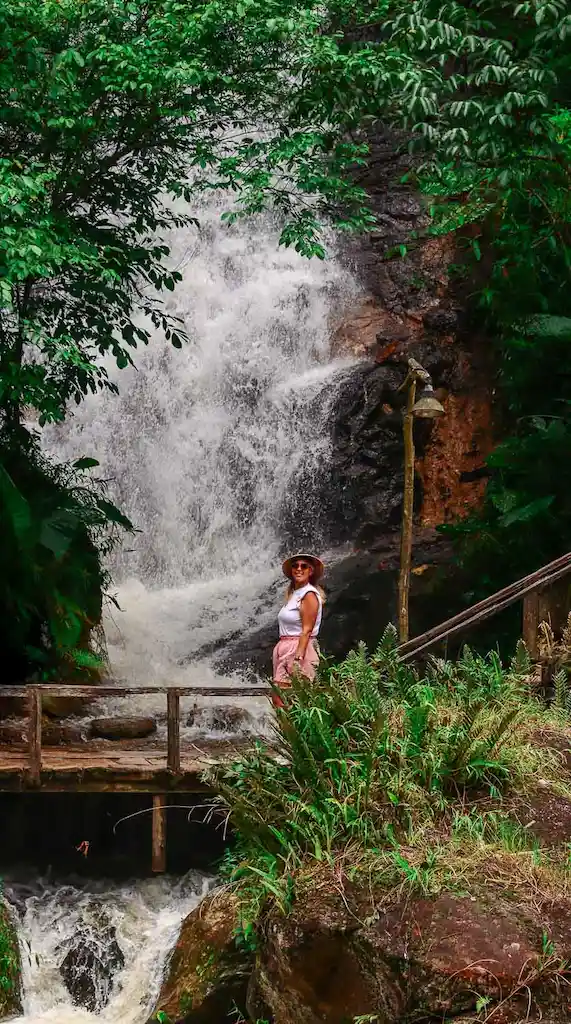

Plan your Sapa itinerary with our first-hand tips
Overall, there are two ways to organise your trip to Sapa: one is by planning everything by yourself, and the other is going through an all-in organised tour.
DIY Trip to Sapa: Planning the Sapa itinerary for 3 days on your own is fantastic; we did the same. It is easy but it doesn’t mean you are saving money if you splurge on nice hotels. We book all our accommodation through Booking and match the price with Agoda.
For transportation, the bus is cheap, but the overnight train is comfy for just a few $$ more. We have visited four accommodations for every budget and will give you more tips below in the section on where to stay in Sapa.
All-included tour: The easiest option to enjoy the trip to Sapa is to book through a tour agent. You can do it in person in Vietnam or book in advance online for peace of mind. The Sapa organised tour includes everything from the accommodation to transportation, meals and excursions.
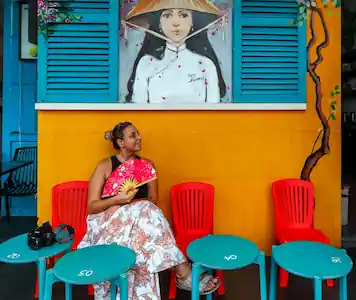
Be sure to explore this guide for more abut Vietnam
One Month in Vietnam: Suggested Itinerary
Sap Itinerary at a Glance
| Day 1 | Arrive from Hanoi, check‑in, Cat Cat Village, explore Sapa town & square | Sapa town (e.g. Pea Homestay, $6/night) | Local café, Hmong Restaurant |
| Day 2 | Hmong villages trek (Muong Hoa Valley/Ta Van), lunch in Ta Van, coffee with rice terrace views, local culture evening | Village homestay (e.g. Sapa Soul, $10/night) | Toàn Mán Restaurant, street food |
| Day 3 | Fansipan cable car summit (3,143m), Silver Waterfall drive, return to town/Hanoi | Depart (or Supan Ecolodge, $20/night) | Café, light lunch |

Day 1 in Sapa | 3 days in Sapa itinerary
Total estimated budget (per person, excl. Hanoi‑Sapa transport): $80–150 (homestay, food, scooter, Fansipan, treks)
Morning: Check in and start exploring
We kicked off our 3 days in Sapa with an early morning bus ride from Hanoi. It took about 6 hours to get from the bustling capital to the northern village.
The scenery on the journey changes, making the trip more enjoyable than I had initially thought. The green hills and the misty valleys take the entire scenery, making it one of the most desirable for avid photographers.
Once we arrived, we headed straight to our first hostel. We paid only $6 per night to stay in a capsule hotel within walking distance of the centre of Sapa. It was our first experience in such accommodation, but overall, it didn’t excite us enough to suggest you book here.
We will give you more tips on where to stay on day two, as it was the best homestay in Sapa. Finding the best homestays in Sapa is crucial, and we highly recommend booking one with views of the rice terraces.

Be sure to explore this guide for more about Vietnam
10 Best hostels in Sapa for backpackers
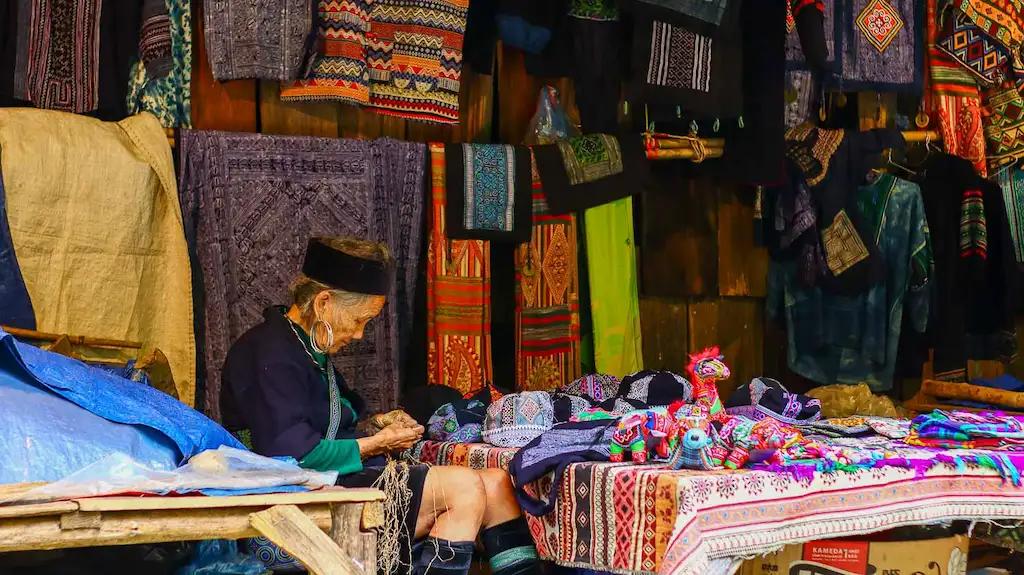
Afternoon: Cat Cat Village
Cat Cat Village is just a short walk from town. We left our bags at the accommodation and drive through. It’s a recreated Hmong Village, which will offer you a glimpse into local life. It was hit hard by the recent December 2025 floods, that affected the north regions of Vietnam. Now it’s re-open with no problems.
This isn’t an active village, but rather a recreated landscape of the former closest village to Sapa town, now just a tourist destination.
The instagrammable set is like a fairytale village, with a waterfall and a river running at the centre. Even though it is a fake village, it is one of the most touristy places in Sapa. So avoid it during the weekend. We’ve seen people renting traditional dresses, and pose in the cute corners.
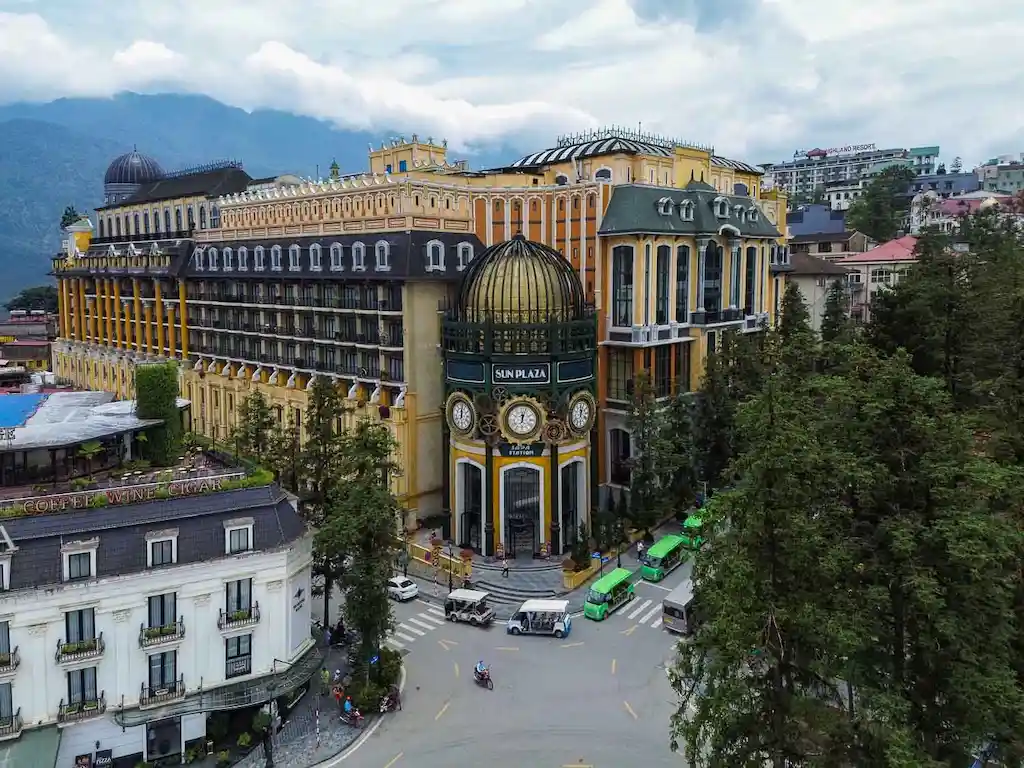
Evening: Discover Sapa Town
Sapa at night is incredible. We loved the atmosphere, the lantern-lit, dim lights, and the cute restaurants getting busy. The town transforms from a tranquil mountain village into a crazy buzzy town. Although there are not many clubs, you can hang out for a great Hanoi beer everywhere here. Just 20K Dong.
To be fair, we had Hoi An vibes, but high in the mountains. Buildings are high, coffee places are hidden in between massage rooms and restaurants.
You’ll likely hang out around the main square, as we did for the whole stay. The Hôtel de la Coupole, is unmissable. Trendy spot, with great architecture. Walk inside for unique luxury, brought in from France during the colonial era. There is always something going on in the main square, with concerts and shows.
Next to the circle square, toward the church, there are the stairs between the hotel and Ng. Cau May (Here for the correct position). That’s the best place to find local handicrafts. Villagers display the products on the staircase, and they’re the perfect souvenirs from Vietnam.

Everything You Need for Vietnam, in One Handy Guide!
A guide about Vietnam, 75+ pages with all our recommendations, best places to visit, where to eat, and things to do.
GET 50% OFF NOW!
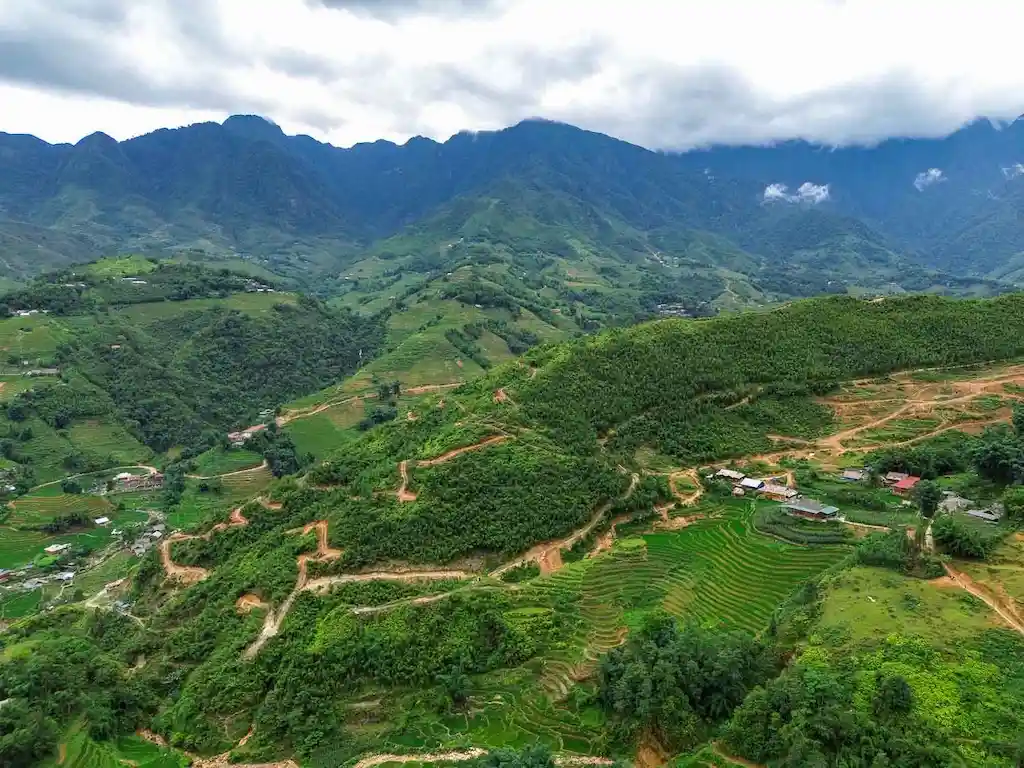
Day 2: Trekking, coffee and local tribes
Morning: Trek through Sapa Hmong Villages
While planning our independent trip to Sapa, we wandered about signing up for a local tour with a local guide. We ended up doing a trek on our own without planning it. We wanted to visit Ta Van Village, which was not so far from our second homestay – Sapa Soul.
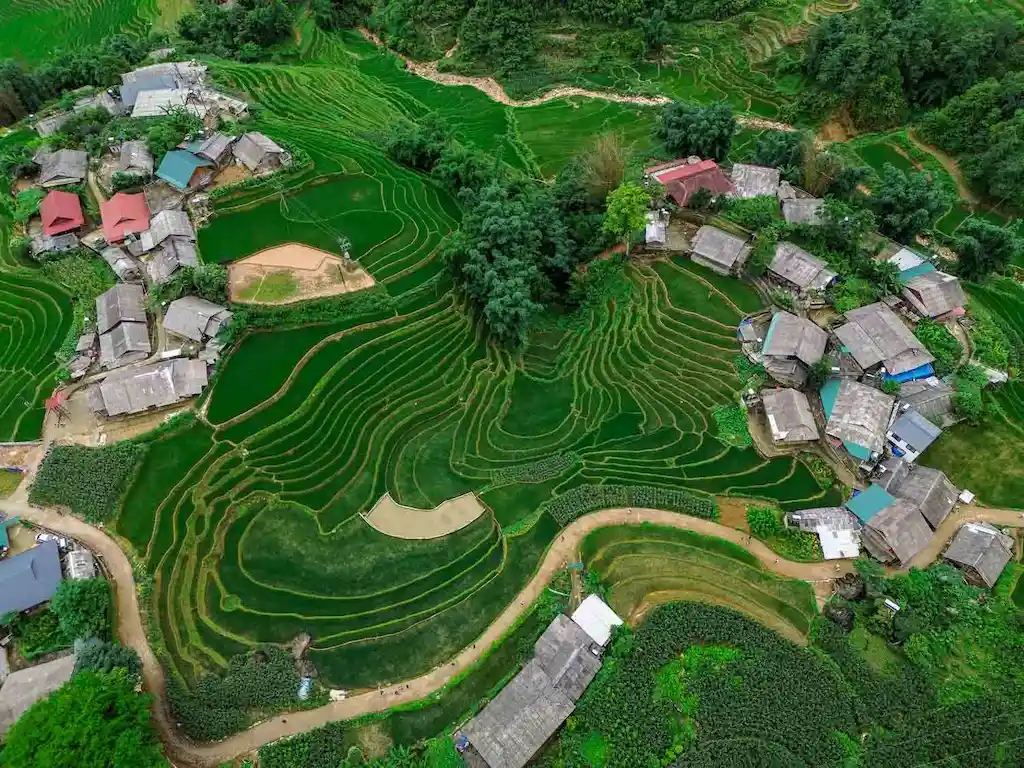
This is a prevalent Hmong ethnic minority area; you can go through the rice fields without a guide, starting from Ta Van Bridge. The path isn’t signed, but it is straightforward for miles. You will pass houses and small villages along the river.
This is the easiest hike in Sapa, but there are alternatives with local villagers for a very small fee. We met Mama Lily while having lunch, and she was the most humble human, offering a trek and a night stay at her place.
For about 10$ per person, you can get on an adventure that you will never forget and contribute to the local economy directly. Contact Mama Lily if you are going to Sapa. (+84 0327 286 475)
Sapa Morning Trek, we suggest:
Afternoon: Lunch in Ta Van
Stay in Ta Van, and continue your second day in Sapa discovering what looks like life in the valley. Many places are offering delicious food, and the best thing is that you don’t need a scooter to get around.
If you don’t mind getting dirty because of the mud and rain, it’s fine. Check Toàn Mán Restaurant. The food was simple but delicious—think fresh spring rolls and pho with herbs picked straight from the garden. The hospitality you will experience here is second to none, making it one of the best restaurants in Sapa.

Get a coffee with a view
Stay out of town to enjoy the highlight of Sapa with the view of the rice fields and freshly brewed locally sourced coffee.
There are many cafes with a view in Sapa, so don’t be afraid to stop when you see something that captures your eyes. Our absolute best are Lúa cafe, Sailing Sapa, Pavi garden, Tiny Coffee Sapa and Lao Chai View Coffee.
Evening: Experience Local Culture
We were about 20 minutes from Sapa town, but as experienced drivers, we headed to a very particular restaurant in town for the night. After a stroll around the town, watching kids singing at the main square, we headed to Hmong Restaurant, a symbol of Sapa.
The rustic restaurant offers the best of the North Vietnamese Cuisine, with dishes heavily influenced by the Hmong culture and handed down traditions.
I couldn’t miss roaming around the restaurant to see the photos of what Sapa looked like before the French arrived at the top peaks. The village changed from a main trading hub to a thriving holiday settlement. The French changed the shape of the village, and today is completely visible by the architecture of the old town.
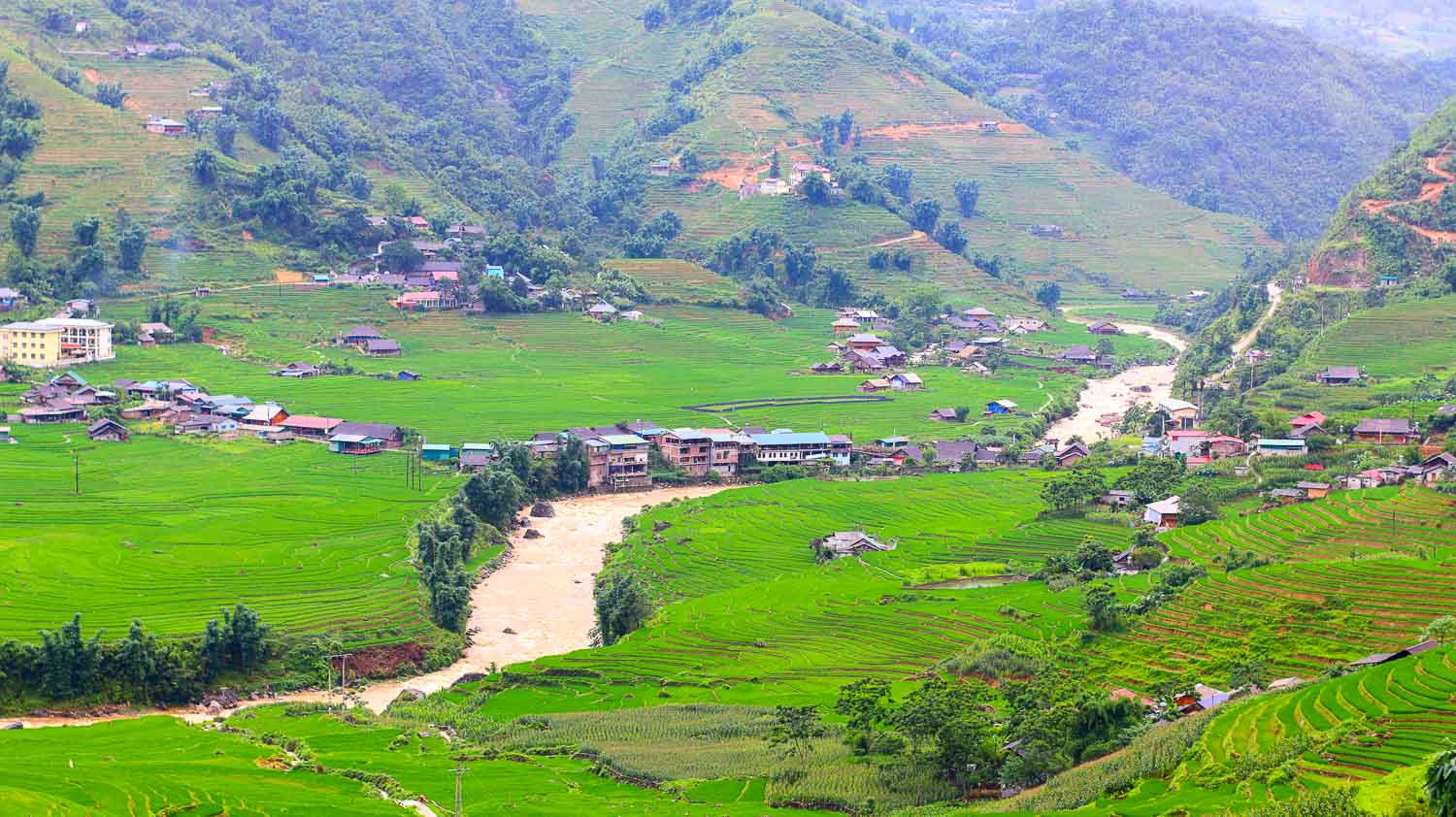
Is Sapa worth visiting?
If you are planning your trip to Vietnam, the question is legit. Sapa is definitely worth visiting, and in this guide we highlight pros and cons. Our tips will help you plan better!
Day 3: Getting to the top of the highest IndoChina Peak
Morning: Fansipan Mountain
You will wake up serene, or at least that’s how I was early in the morning. There were no sounds, very little pollution, and that tranquillity that would keep you sleeping for a long time. The portico of our homestay was perfect: a Hammock, a couple of chairs, and the river passing by.
The itinerary of Sapa will leave you relaxed for the last day. Get ready and reach the Hôtel de la Coupole. The entrance by the main square also gives access to the shopping mall (not much to see here) but also to the ticket office for the funicular. To get to the top of Fansipan there are two stages.
A funicular that takes you to Sapa Sunword, an amusement park at 1,800 metres. From the area of this park, you must take one of the longest cable cars in the world to reach 3,143 metres.
The other way to get to the top of the Fansipan is hiking for two days, with a camp night in the forest. It is another incredible activity, but it is very hard trekking.
Reaching the summit is fantastic, but you must be aware of the weather conditions. Up to the top, it is easy to get rain and even ice. Take a jacket with you, as you are standing above the clouds. The tickets for the funicular are one of the most expensive activities in Sapa, at $25 return.

Afternoon: Drive to the Silver Waterfall
If you have planned an evening bus return to Hanoi or are going to take the sleeper train, you might still have time for one last adventure in Sapa.
Your three days in Sapa have already been magical, but if you hop on the bike and drive for about 45 minutes – 15 Kilometres – out of town, reaching about 2,200 metres altitude, you can see one of the most impressive waterfalls.
Thac Bac waterfall is 200 metres high, and it’s located on Ham Rong Peak. The cascade is known for its silver water rushing down from the mountain.
Evening: Return to Sapa Town
Return to Sapa in the evening, on time to eat something, get the last souvenirs and take the bus back to Hanoi. Three days in Sapa are very tiring, so we suggest you get a little upgrade on transportation for a very reasonable price.
We had an upgrade for free, and actually, it is one of the best things. On our VIP bus back to Hanoi from Sapa, there was enough legroom and space that we could easily sleep in two. Check this Sleeper bus from Sapa to Hanoi.
Things to know before visiting Sapa
How to get from Hanoi to Sapa
Getting to Sapa is part of the adventure. You have a few options:
- Train: Experience the classic choice of the overnight train from Hanoi for an affordable and nostalgic glimpse into local life and waking up to breathtaking mountains. Secure your tickets now before they sell out. Check the tickets – or book a Trekking tour with Sleeper train included here.
- Bus: Enjoy six-hour bus rides with incredible scenery. Buses are quick and affordable but can be bumpy. Multiple runs are available daily. Find the best bus to Sapa for you.
- Private Car or Motorbike Rental: Consider hiring a private car with a driver for a more comfortable and flexible ride, although pricier. For backpackers, getting a motorbike to Sapa may save money but isn’t worth the effort due to the difficulty of driving in Vietnam and the long hours it may entail.

How to get around Sapa
When we arrived in Sapa, we had already booked our scooter rental. The scooter was a bit rusty, but it did the job and was the best way to get around Sapa.
Two of the four accommodations in Sapa were about 15 km away from the centre of town, and so we had to drive on dirt roads and mud. Renting a scooter is cheaper than taking a taxi every time you want to move around.
This is the rental place in Sapa. We recommend it, but we agreed on the price beforehand. As we spoke via messages, they wanted to charge us 600K instead of 480K. Luckily, I showed them the messages about the price, and they let me have the scooter.
Best Time to visit Sapa
The best time to visit Sapa for a three-day itinerary is from March to May and September to November. During these months, the weather is mild and pleasant, making it ideal for trekking and outdoor activities.
The rice terraces are lush and green from March to May, while the harvest season from September to November offers golden landscapes that are perfect for photography. Here’s a bit more detail:
- March to May: The weather is warm and dry, with clear skies and moderate temperatures. This period is perfect for trekking and exploring the region’s natural beauty. The rice terraces are vibrant green, and the landscape is lush and picturesque.
- September to November: The weather is cooler and more comfortable for trekking. This is the harvest season, so the rice terraces turn golden, offering stunning views and excellent photo opportunities. The skies are usually clear, making it a great time for outdoor activities and sightseeing.
Both periods avoid the extremes of summer heat and the heavy rainfall of the monsoon season, providing the best conditions for a memorable visit to Sapa.
Packing Essentials for three days in Sapa
- Comfortable Hiking Shoes: Essential for the many treks.
- Layered Clothing: The weather can change rapidly, so be prepared.
- A jacket or a Jumper: Temperature drops at night every season, so get a jumper or a zip jacket.
- Rain Gear: Especially if you’re visiting during the rainy season.
- Backpack Cover: We need to carry a waterproof cover for our backpack, either the small daily one or the big 35-litre travel one.
Budgeting your trip to Sapa
- Accommodation: Budget around $10-$30 per night for a good homestay.
- Food: Meals are generally cheap, around $3-$5 each.
- Transportation: If you want to take taxis, budget $10-$15 per day. If you are renting a scooter, the average price is 120K/150K VND per day (£3.6/4.5 | $4.70/5.90 | €4.30/5.30)
- Tours: A 2-day Sapa tour can cost between $50-$100, depending on what’s included.
Where to stay in Sapa | Our Accommodation Recommendations
Our favourite guest house
Sapa Soul
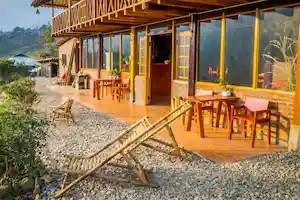
Sapa Soul is the best homestay in Sapa; we stayed two nights and it was the quietest we have ever been in Vietnam. Check Sapa Soul Availability.
Perfect for backpackers
Pea Homestay
We found the lowest price staying at Pea Homestay, close to Sapa town. The night in a private room cost us only $4 (€3.7 | £3). You need to compromise with comfort but might find great people to share your adventure in Sapa like we did. Check the availability.
Luxury Stay
Supan Ecolodge
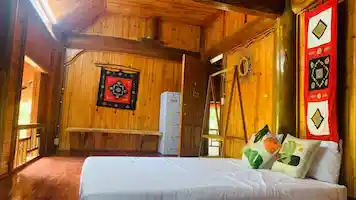
We stayed one night here, and it was the most comfortable. Supan Ecology is the most eco-sustainable accommodation in the area, which also gives back to the community. It is Luxury on a budget, and a night costs only $20.
FAQ | Sapa Travel Guide
the best place to start