
Is Pai Worth Visiting? An Honest Guide to Thailand’s Hippie Mountain Town

Our honest, first-hand verdict on whether Pai is worth the 762 curves, with real 2026 transport and scooter costs, who should skip it, and how many days you actually need in Thailand’s mountain hippie town.
Yes, Pai is worth visiting, especially if you are a backpacker or looking for places to visit in Thailand on a budget. The little town on top of the mountains and hills of Northern Thailand is a hippy paradise known by generations of backpackers and adventurers to the Mae Hong Son loop. We spent a week on our first trip to Pai, and it was better than we expected.
That’s why we are very excited to share our perspective of Pai, a city with plenty of things to do and places to go. In this Pai travel guide, we aim to provide you with a comprehensive overview of why this hidden gem should be on your travel radar.
We’ll uncover the top attractions, share insider tips, and guide you in finding the perfect accommodation to ensure your visit is nothing short of extraordinary. So, let’s embark on this journey together and uncover the enchantment that awaits in Pai!
We rode this exact route ourselves as part of a longer loop out of Chiang Mai, a city we found easily worth basing a Northern Thailand trip around. If you are weighing up whether to rent a scooter in Chiang Mai and ride up yourselves rather than take the minivan, here is everything we wish we had known first.

This post includes affiliate links. We may earn a small commission at no cost to you. You can also buy us a coffee to support the site directly. Learn more in our Cookie Policy.
Is Pai worth visiting?
Yes, Pai is definitely worth visiting. With its stunning natural beauty, diverse attractions, and laid-back vibe, Pai offers a peaceful and enchanting retreat that allows you to escape the hustle and bustle of daily life and connect with nature and yourself.
Quick Verdict: Is Pai Worth Visiting?
- Quick Verdict: YES, if you love scenic mountain drives, chilled cafe culture, hot springs and evening night markets. SKIP if you are short on time or prone to severe motion sickness.
- Distance from Chiang Mai: around 130 km (3-4 hours, via the famous 762 curves of Route 1095)
- Recommended Stay: 3 to 4 days for most first-time visitors (we spent closer to a week on our first trip)
- Best Months: November to January, cool and green, avoid the burning season from February to April
Key Takeaways: Is Pai worth the hype?
- Pai is a serene town in Thailand that offers a tranquil oasis away from the chaos of everyday life.
- Pai exceeded our expectations with its stunning natural beauty, laid-back atmosphere, and warm hospitality.
- Our Pai travel guide will provide you with an in-depth look at the top attractions and insider tips for a memorable visit.
- Choosing the perfect accommodation in Pai can greatly enhance your experience.
- Join us on this journey to discover the enchanting vibes of Pai and reconnect with yourself and nature.

Pai personal experience
When we first heard about Pai while living in Chiang Mai, to be honest, we were sceptical.
We particularly loved our planned day trips to Pai Waterfalls and natural slides and the fantastic yet very quiet Sai Ngam Hot Springs.
With so many travel destinations to choose from, is Pai really worth visiting? Well, yes, at night, it has a vibrant atmosphere with backpackers and seasoned travellers enjoying the bars and restaurants.
During the day, we were always around, hopping from one activity to another and wandering through the lush forest. Pai exceeded all of our expectations and left an indelible mark on us. The stunning natural beauty, the laid-back atmosphere, and the warm hospitality of the locals make Pai a destination like no other.
5 Reasons to Visit Pai (The Pros)
- Nature lovers: Pai Canyon at sunset, the Sai Ngam Hot Spring, and a string of waterfalls are all doable as half-day trips from town.
- Scooter wanderers: Pai is the halfway point of the Mae Hong Son Loop, a circuit we rode ourselves on a small automatic scooter, and the town is built for pottering between viewpoints on two wheels.
- Budget backpackers: dorm beds, street food and scooter hire are all cheap by Thailand standards, which is why it has stayed a fixture on so many backpacking Chiang Mai routes.
- Slow travellers and digital nomad-curious visitors: reliable cafe wifi, a walkable centre and a genuinely laid-back pace make it easy to stay longer than planned.
- Night market and boho cafe lovers: Pai Walking Street, live acoustic sets and a strong small-cafe culture give the evenings as much personality as the daytime scenery.
3 Reasons You Might Want to Skip Pai (The Cons & Drawbacks)
- You are tight on time. If you have fewer than 10 days in Thailand overall, the return trip from Chiang Mai (the best part of a full day, there and back) can eat a disproportionate share of a short itinerary.
- You get severe motion sickness. Route 1095’s 762 curves are no joke. We go into exactly how we manage this below, but if winding mountain roads regularly make you ill, factor that in honestly before booking.
- You are expecting untouched, quiet local culture. We first visited Pai a few years before riding the Mae Hong Son Loop back through it, and on the second visit the crowds had more than doubled, skewed younger and louder, with a much bigger backpacker-party scene than we remembered. If you are not travelling with a scooter, you are also fairly dependent on songthaews and taxis to reach anything outside the centre, which adds up.
The Road to Pai: Surviving the 762 Curves
Route 1095 from Chiang Mai to Pai is the single thing every guide mentions and the thing most gloss over once they have made the joke about curve counts. It is a genuinely winding mountain road, roughly 130 km and 3-4 hours, and van drivers who do the run daily tend to drive it briskly. If you or your travel companion are prone to motion sickness, this is worth planning around rather than hoping for the best.
On our first trip to Pai we took a shared minivan from Chiang Mai’s Arcade Station. Ale is very sensitive to motion sickness, so we picked up anti-nausea pills from a 7-Eleven beforehand, which cost around 14 THB and made the whole drive manageable.
The same pack later saved us again on a rough ferry crossing back from the Phi Phi Islands to Phuket in a surprise storm, so it is now a standing item on our packing list for anything with a lot of movement, not just this road.
Shared minivans run constantly from Chiang Mai’s Arcade Station, with one-way fares typically around 150-210 THB (some operators and direct bookings run closer to 300 THB), bookable on the day at the terminal or in advance through 12Go.
The alternative is riding it yourself: we later did this leg by scooter as part of the Mae Hong Son Loop, and it is a completely different experience, more scenic, more control over stops, but physically tiring and not something to attempt without prior scooter experience.
Our tips for surviving the drive
- Take an anti-nausea tablet (available cheaply at any 7-Eleven) 30-45 minutes before departure, not after you start feeling unwell.
- Ask for a seat near the front of the van, and skip the heavy breakfast beforehand.
- If self-riding, only attempt Route 1095 if you are already comfortable on a scooter; this is not the road to learn on.
- Book a morning departure where possible; the road is the same either way, but you arrive in Pai with the whole afternoon still ahead of you.

Things to Do in Pai, a quick snapshot
When it comes to things to do in Pai, the options are plentiful. From exploring natural wonders to immersing yourself in local culture, Pai offers a lot, and we mean more than you expect. Here are some of the top attractions and activities that should be on your Pai itinerary:
- Visit the iconic Pai Canyon and take in the breathtaking panoramic views.
- Indulge in a rejuvenating soak at the Pai Hot Springs, known for its therapeutic properties.
- Walk around Pai Market at night, visiting the vibrant Pai Walking Street, where artisans showcase their crafts.
- Go trekking in the jungle, exploring the lush surrounding countryside and encountering hidden waterfalls.
- Discover the spiritual side of Pai by visiting the iconic temples and participating in meditation or yoga retreats.
Pai is also known for its vibrant nightlife, with live music venues and cosy bars where you can unwind and mingle with locals and fellow travellers.
How Many Days Do You Need in Pai?
For most first-time visitors, 3 to 4 days is the sweet spot: enough time for Pai Canyon at sunset, one waterfall or hot spring day trip, a night at the Walking Street market, and a slower morning or two in a cafe, without the trip swallowing your wider Northern Thailand itinerary.
We will be upfront that we stayed closer to a week on our first visit, which is why some of this guide reads as unhurried. That is a “we had the time” choice rather than a “you need this long” recommendation. If you are stitching Pai into a longer route, our Northern Thailand itinerary and 3-week Thailand itinerary both show where a 3-4 day Pai stop fits in, and if your trip continues south, our Bangkok, Phuket and Krabi itinerary covers the other end of the country. For the full destination overview, our Thailand destination guide is a good jumping-off point.
Best Time to Visit Pai
Well, due to Pai’s position high on the mountains surrounding Chiang Mai, you must follow the weather pattern and choose wisely the time of your visit.
The town’s climate is characterised by a subtropical climate, with mild temperatures year-round. However, there are distinct seasons that offer different experiences:
The best time to visit Pai is during the cool and dry season, which spans from November to January. The weather is pleasant, with clear skies and cooler temperatures, making it ideal for outdoor activities and exploring the scenic landscapes. After this period, the smokey season starts, when farmers burn the fields, making the air unbreathable. We suggest you avoid this time of the year.
If you are travelling between February and April, it is worth checking current air quality before you go. Northern Thailand’s crop-burning season can push AQI into unhealthy territory on bad days, and while Pai often fares a little better than the Chiang Mai valley, it is not immune.
For a fuller seasonal breakdown of the wider region, see our guides to the best time to visit Chiang Mai and what Chiang Mai’s rainy season actually looks like on the ground.
Pai is very popular among backpackers, and is always present in every Thailand itinerary. If you prefer a quieter and more peaceful experience without the burning-season smoke, consider the shoulder season of September to October, when you can still enjoy favourable weather while avoiding the biggest crowds.
We would not recommend March to April as a quiet-season alternative: that overlaps with the burning season below.

Must-Visit Attractions in Pai
It might not sound like much on paper, but Pai surprised us. We knew it was fantastic to relax, but what we were not expecting was the wide range of activities and adventures.
From breathtaking viewpoints to serene waterfalls, here are some must-visit attractions that should be on your itinerary:

Get your free guide
Going soon to Thailand? Over 400 tips, places and experiences
We've spent the past 5 years travelling around Thailand, from south to north, staying longer in places, living like locals. We travel slow, that's why our maps are filled with over 400 pins and tips on how to make the most.
Check your inbox!
We've just emailed you. Click the button in that email and your guide is on its way.
Pai Canyon
Pai Canyon is surely our favourite spot for sunset in Pai. The iconic red-dusted Canyon, also known as Kong Lan, is a unique geological formation featuring narrow ridges, deep cliffs, and rugged paths. It offers a memorable hiking experience. Don’t forget your camera to capture the breathtaking sunset over the canyon.
Mo Paeng Waterfall
Escape the heat and take a refreshing dip in the crystal-clear pools of Mo Paeng Waterfall. Surrounded by lush greenery, this picturesque waterfall offers a serene setting to relax and unwind. Pack a picnic and spend a day unwinding in nature’s embrace.
Wat Phra That Mae Yen
Explore the spiritual side of Pai at Wat Phra That Mae Yen, a hilltop temple that offers panoramic views of the town and its surrounding countryside. Climb the 353 steps lined with colourful prayer flags to reach the temple’s golden chedi and enjoy the serene atmosphere and peaceful surroundings.

Sai Ngam Hot Spring
Indulge in a therapeutic soak at the Sai Ngam Hot Spring, known for its mineral-rich waters, which are believed to have healing properties.
Relax in the natural hot pools surrounded by lush vegetation and enjoy the rejuvenating effects of these geothermal wonders.
Pai Walking Street
Immerse yourself in Pai’s vibrant night market at the Pai Walking Street. This bustling market is a delight for foodies and shoppers alike, offering a wide variety of delicious street food, local handicrafts, and unique souvenirs.
Explore the stalls, mingle with the locals, and indulge in the lively atmosphere of this popular Pai attraction.

Big Buddha Pai
Another great viewpoint in Pai is the Big Buddha. Locals and tourists love to get some snacks and drinks and get to the Big Buddha for sunset, enjoying the view over the Pai countryside. We did the same and can clearly state that it is unmissable.
Santichon Village | Yun Lai Viewpoint
You wouldn’t expect to find an entire Chinese village on the hills of Pai, surrounded by the mist created by the high peaks. That’s Santichon Village, a fantastic viewpoint where you can also camp overnight for the best wake-up call.
The charming Chinese Yunnan village features traditional architecture, and its hillside setting is often wrapped in mist. Downhill, you can explore the village for free, get around the Pagoda, hire dresses to get instagrammable photos or relax through the gardens.
Signup for a Thai cooking class
We love Thai food, and we know you do too. Why don’t you sign up for a Thai cooking class while in Pai? We suggest doing it here because you’ll be supporting local farmers and cooking with fresh vegetables.
Back in Chiang Mai, Ale went on a cooking class to learn recipes from the rich Thai culinary tradition. Northern Thailand prepares dishes differently from the centre and the south.
Watch our video guide about Pai

See Land Split
Land Split is one of Pai’s quirkier Instagram-worthy attractions, especially for those curious about its origin story. In 2008, a terrible earthquake devastated a farm, creating a large crack in the terrain.
The attraction isn’t far from Pai Town, and you pay a small entrance fee to support the family which owns the land.

Cross Pai Bamboo Bridge
Rural landscapes and remote villages mostly predominate this area of Thailand. Walk across a river, passing on a stable bamboo bridge. It sounds like a strange detour, but believe us, it draws plenty of curious visitors, and you will likely want to cross it too.
Love Strawberry Pai: a strawberry farm cafe with a view
You will not find this spot on many guides about Pai, but this scenic cafe overlooking the valley was a moment of peace for us. We sat on the scooter and drove 10 minutes out of town to what used to be I Love You Pai Cafe. That spot has since closed, and in its place is now Love Strawberry Pai, a strawberry-themed farm and cafe with the same unbeatable view.
It is honestly not our usual style of travelling stop, but we will admit the strawberry theming through the garden is cute: a pergola, a little painted door, and a love-lock photo frame everyone stops for.
Order a strawberry smoothie made with produce from the farm out the back, and settle in under the pergola with the same unbeatable view we remembered. It has become one of the most Instagrammable spots in Pai, and makes a natural stop on the way to Pai Canyon.
Our new favourite: Time Cafe & Bistro
This one was not on our radar before this trip, and it quietly became our favourite stop on Pai’s main strip. Time Cafe & Bistro is calm if you arrive at opening, around 8am, and full by 10am, so go early if you want a table. Toti’s order is coffee and a croissant, usually more than one coffee, before getting behind the handlebars for the day. He still regrets not ordering whatever shakshuka-style dish our friend Kieran got that morning; it looked excellent, though we did not confirm the exact name on the menu, so we cannot point you to it by name.
Best places to stay in Pai
Pai is worth visiting and you are a fool if you are not already planning your stay. To make it easier for you, we have lined up a few accommodation options in Pai, depending on different budgets.
Accommodations in Pai

VILLA DE PAI

THE COUNTRYSIDE PAI

PAI COUNTRY HUT
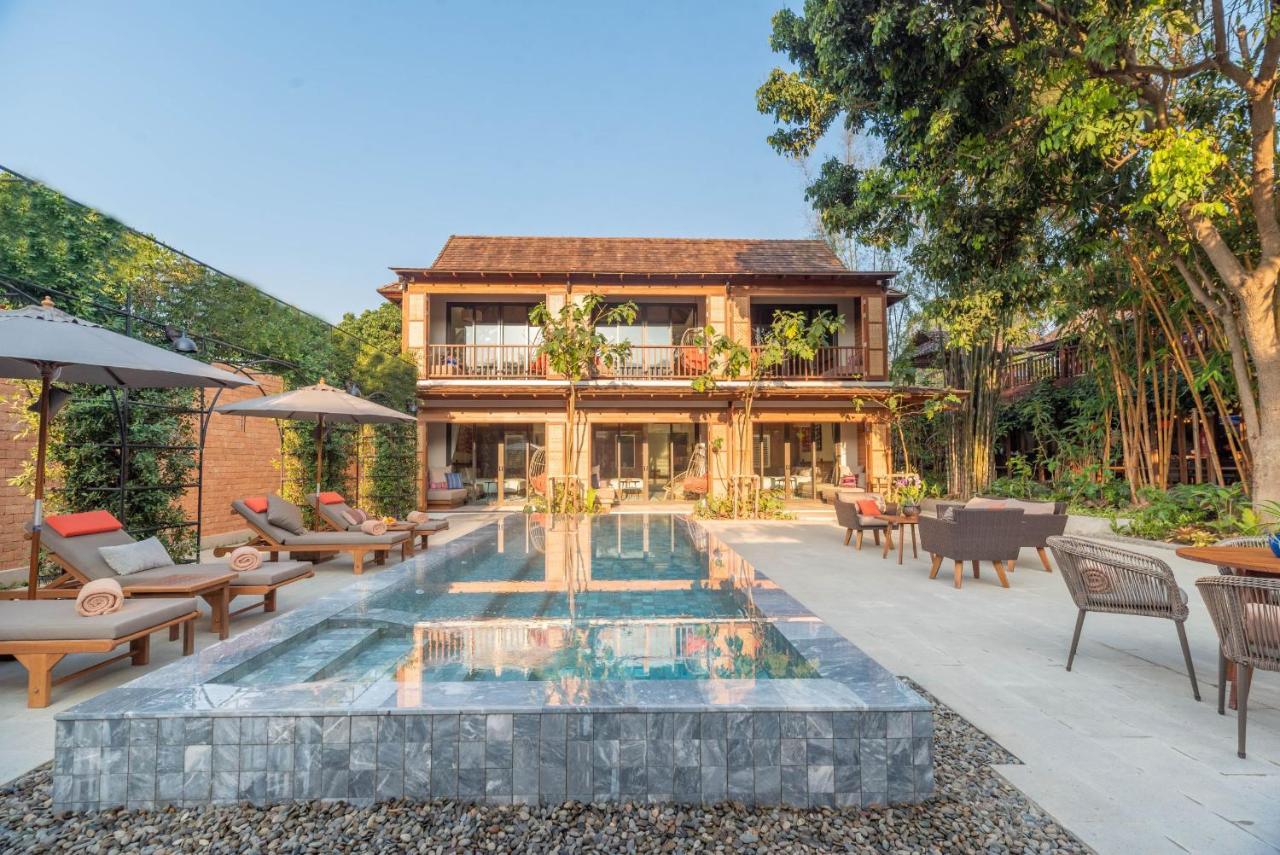
VILLAGE BOUTIQUE RESORT

REVERIE SIAM
Overall, is it worth going to Pai?
So, is Pai worth visiting? We would still say yes. It is not the quiet, little-known secret it once was, and the crowds we described above are real, but it still delivers on the scenery, the pace and the laid-back atmosphere that first drew backpackers here.
Go in with realistic expectations about the curves, the crowds and the burning season, and it remains one of the more memorable stops in Northern Thailand.
